TL;DR
Plant City, Florida, offers a unique blend of small-town charm and spacious acreage living, with homes typically ranging from $350k to over $750k. Buyers considering farm properties or larger lots should be aware of specific considerations like well water, septic systems, and unique insurance needs in unincorporated Hillsborough County. Understanding these factors is crucial for a smooth transition into Plant City’s diverse real estate market.
—
After helping numerous families navigate the dynamic Tampa Bay real estate market, I’ve seen firsthand how Plant City, Florida, stands out as a hidden gem, especially for those dreaming of more space. This city offers a distinct lifestyle, blending quaint downtown vibes with expansive rural properties, making it a unique consideration for anyone looking to buy or sell a home in the Greater Tampa area. The appeal often lies in its ability to provide a quieter, more spread-out living experience while still maintaining proximity to urban amenities.
In my experience, many clients are drawn to Plant City for its blend of affordability and opportunity, particularly when compared to denser urban centers. The market here presents a diverse range of options, from charming historic homes to sprawling farm properties, each with its own set of considerations. Understanding the nuances of Plant City real estate—from pricing trends to utility systems—is key to making an informed decision in this growing community.
In this guide, I’ll break down why Plant City is capturing so much attention, what to expect from its real estate market, and the critical factors to consider if you’re eyeing acreage. We’ll cover everything from home prices and utilities to insurance and zoning, ensuring you have a comprehensive overview before making your move.
Why Plant City, FL, is a Top Choice for Homebuyers
Housing is usually the biggest budget factor in Florida, whether someone plans to rent first or buy right away. This means the housing choice will usually decide whether Florida feels comfortable, stretched, or out of reach.
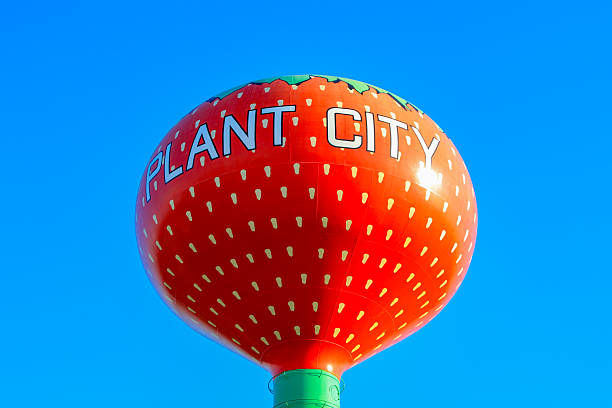
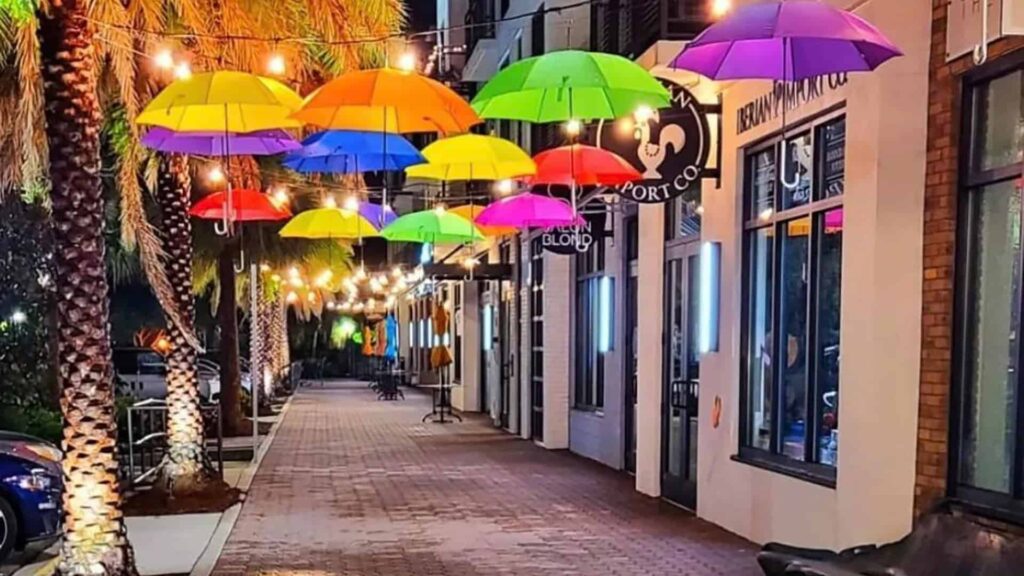
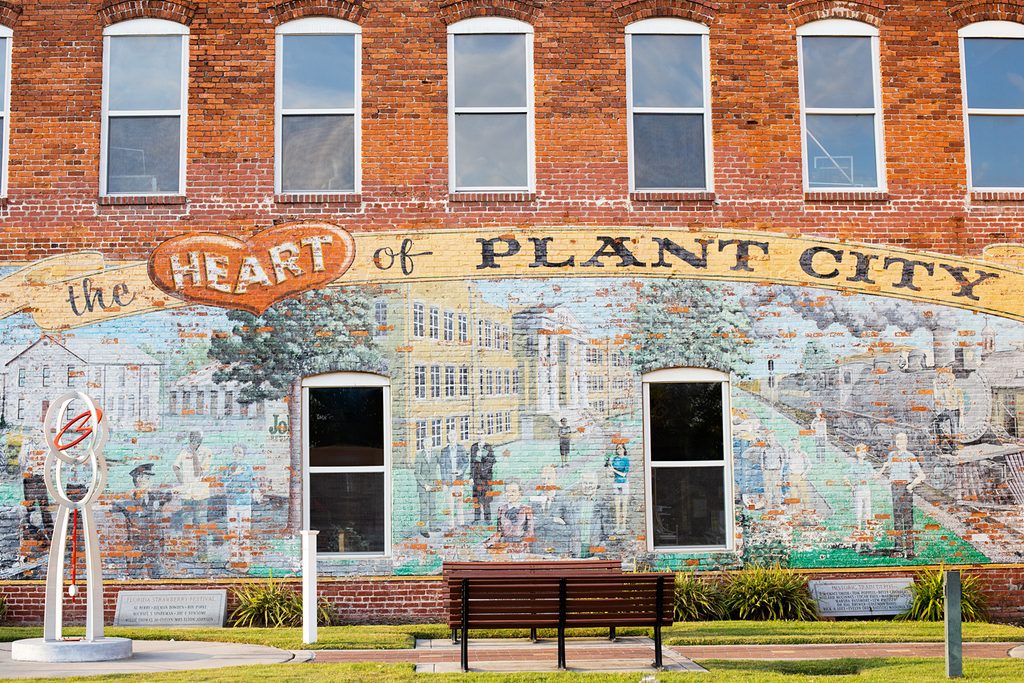
I often hear clients express their appreciation for Plant City’s historic downtown, which boasts local shops, restaurants, and a strong sense of community. It’s a place where you can still experience genuine local culture, often centered around events like the famous Florida Strawberry Festival. This blend of accessibility and authentic community spirit is a significant draw for those looking to escape the relentless pace of larger cities but still desire connection.
Plant City Real Estate & Property Costs
Plant City Real Estate & Property Costs has a practical answer that depends on budget, location, and household needs. A useful reference point is $300,000. This means readers can compare the tradeoff quickly before deciding whether the details fit their situation.
For those interested in the higher end, particularly properties with land, it’s not uncommon to see prices approaching or exceeding $900,000, especially for renovated homes with substantial acreage. For instance, I recently toured an impressive $890,000 farm property with significant agricultural (Ag) zoning, highlighting the potential for both residential living and agricultural pursuits. This means buyers should come prepared for a competitive market, especially for well-maintained or unique properties with land.
Exploring Plant City Acreage for Sale
Plant City offers a unique opportunity for buyers seeking larger plots of land, with many properties featuring significant acreage and agricultural (Ag) zoning. This type of zoning allows for a variety of uses beyond just residential, including farming, livestock, or simply enjoying vast open spaces. The appeal of these properties lies in the freedom and privacy they offer, a stark contrast to the tighter confines of typical suburban neighborhoods.
When exploring Plant City acreage for sale, I always emphasize the importance of understanding Ag zoning regulations, as they can impact what you can and cannot do with your land. For example, while some properties might be ideal for a small farm, others might be better suited for simply enjoying a large private estate. This means potential buyers should research specific zoning ordinances for any property they’re considering to ensure it aligns with their vision. For more on navigating different property types, you might find insights in Beachfront Condo vs. Waterfront Home: Which Tampa Bay Lifestyle Fits You?.
Utilities Breakdown: Well Water & Septic Tanks in Plant City
Many homes in Plant City, especially those with larger lots or in more rural areas, rely on well water and septic tanks for their utility needs. This setup is common outside of densely populated municipal areas and offers both advantages and unique considerations for homeowners. Understanding these systems is crucial before purchasing a property, as they differ significantly from city water and sewer connections.
Well Water:
- Pros: Often provides cleaner, untreated water directly from the ground; no monthly water bill from a municipal provider.
- Cons: Requires regular testing for contaminants; pump maintenance and potential repairs can be costly; water pressure can fluctuate.
Septic Tanks:
- Pros: Self-contained waste management system; no monthly sewer bill.
- Cons: Requires regular pumping (typically every 3-5 years); improper use can lead to costly backups and repairs; system lifespan is finite.
This means homeowners should factor in the ongoing maintenance and potential costs associated with these systems when budgeting for a home in Plant City. It’s a different kind of responsibility than simply paying a monthly utility bill, but it offers a certain level of independence.
Hidden Costs & Maintenance of Acreage Living in Plant City, FL
The costs that surprise new Florida residents are usually not everyday bills, but upfront, location-specific, or household-specific expenses that were missing from the original budget. This means a move can feel affordable on paper and still become stressful without a realistic cushion.
Key hidden costs and maintenance considerations include:
- Landscaping & Property Upkeep: Maintaining large lawns, fields, or wooded areas requires significant time, equipment (tractors, mowers), or professional services.
- Well & Septic System Maintenance: As discussed, these systems require regular inspections, testing, pumping, and potential repairs.
- Pest Control: Larger properties can attract more wildlife and insects, necessitating more robust pest management strategies.
- Fence Maintenance: If you have animals or simply want to delineate your property, fences require ongoing repair and upkeep.
- Driveway & Road Maintenance: Long driveways or private roads on acreage often fall to the homeowner for maintenance and repair.
This means that while the purchase price is a major factor, the ongoing operational costs of acreage can significantly add to your monthly expenses. It’s a lifestyle choice that demands both financial readiness and a willingness to invest time in property management. If you’re considering new construction, some of these factors might still apply, as explored in New Construction in Wesley Chapel: What They Don’t Tell You.
Home Insurance & Unincorporated Hillsborough County
Home insurance in Plant City, particularly for properties in unincorporated Hillsborough County, involves specific considerations that can impact coverage and premiums. Being outside city limits often means different regulations and potentially higher costs, especially concerning certain types of risks. It’s crucial for buyers to understand these nuances to ensure adequate protection for their investment.
Properties in unincorporated Hillsborough County may have different fire protection services or flood zone classifications, which directly influence insurance rates. Additionally, the age and construction type of the home, as well as its proximity to a fire hydrant or fire station, play a significant role. This means securing comprehensive quotes early in the buying process is essential to avoid unexpected costs. I always recommend working with an insurance agent who specializes in Florida properties to navigate these complexities.
HOAs vs. Deed Restrictions & Pole Barns
Understanding the difference between HOAs (Homeowners Associations) and deed restrictions is vital when purchasing property in Plant City, especially if you’re considering acreage or specific structures like pole barns. These regulations dictate what you can and cannot do with your property, significantly impacting your lifestyle and potential future plans. The presence or absence of an HOA or specific deed restrictions can be a make-or-break factor for many buyers.
| Feature | Homeowners Association (HOA) | Deed Restrictions (Covenants) |
|---|---|---|
| Governing Body | Formal board, elected by residents | Often established by original developer; no active board |
| Enforcement | Active enforcement with fines, liens, legal action | Typically enforced by individual property owners through legal action |
| Fees | Mandatory monthly/annual fees for common area maintenance | No ongoing fees |
| Scope | Covers common areas, architectural control, maintenance, amenities | Primarily focuses on property use, architectural style, setbacks, specific prohibitions |
| Flexibility | Less flexible, requires board approval for changes | More flexible, but still legally binding |
For those looking to build a pole barn or other accessory structures, properties with deed restrictions but no HOA often offer more flexibility. HOAs typically have stricter architectural guidelines and approval processes for any exterior changes or new constructions. This means if a pole barn is on your wish list, carefully reviewing deed restrictions and confirming the absence of an HOA (or its specific rules) is a critical step in your property search. For a broader look at living in the Tampa Bay area, Living in Palm Harbor Florida – Is It Right For You? might offer some useful comparisons.
Inside a Renovated Acreage Home in Plant City
Renovated acreage homes in Plant City offer a unique blend of modern comfort and expansive rural living, showcasing the potential value of these properties. These homes seamlessly integrate contemporary amenities and design into spacious settings, providing privacy, luxury, and functionality. Buyers can find properties that combine updated features with the charm of a large lot, often reflecting significant investment.
What truly stood out was the thoughtful renovation, which brought contemporary finishes and updated systems to a home that still retained its original charm and connection to the land. From updated kitchens and bathrooms to expansive outdoor living spaces, these renovations elevate the acreage living experience. This means that while some acreage properties may require work, those that have been recently renovated offer a move-in ready solution for buyers looking for the best of both worlds: modern comfort and abundant space.
Key Takeaways
- Plant City real estate offers diverse options: Homes range from $350,000 to over $750,000, with renovated acreage properties reaching $900,000, catering to various budgets and lifestyle needs.
- Acreage living comes with unique utility and maintenance considerations: Many properties utilize well water and septic tanks, requiring regular testing, pumping, and maintenance, which adds to ongoing homeowner responsibilities.
- Unincorporated Hillsborough County has specific insurance factors: Home insurance premiums and coverage can be influenced by fire protection services, flood zones, and home characteristics outside city limits, necessitating specialized agent consultation.
- HOAs and deed restrictions impact property use: Understanding the legal differences between HOAs (with fees and active enforcement) and deed restrictions (legally binding covenants without a governing body) is crucial, especially for plans like building pole barns.
Is Acreage Living in Plant City Right for You?
Acreage living in Plant City might be right for you if you prioritize:
- Privacy and Space: You desire significant distance from neighbors and ample room for outdoor activities, hobbies, or even a small farm.
- Lower Monthly Utility Bills: You’re comfortable with well water and septic systems, which typically eliminate municipal water and sewer fees, and are prepared for their maintenance.
- Flexibility for Customization: You want the freedom to build accessory structures like pole barns or have specific landscaping plans without strict HOA oversight.
- A Quieter Lifestyle: You prefer a rural or semi-rural environment with a strong sense of community, away from the hustle and bustle of city life.
Acreage living might be less ideal if you prioritize:
- Low Maintenance: You prefer minimal yard work and fewer responsibilities related to utility systems and property upkeep.
- Predictable Costs: You prefer fixed monthly utility bills and want to avoid potential unexpected expenses for well or septic repairs.
- Community Amenities: You value shared amenities like pools, clubhouses, and organized events often found in HOA-managed communities.
- Proximity to Urban Centers: While Plant City is well-located, you might find daily commutes to Tampa, Florida or Orlando, Florida slightly longer than from closer suburbs.
Frequently Asked Questions (FAQ)
Q: What is the average home price in Plant City, FL?
A: Home prices in Plant City, FL, typically range from $350,000 to over $750,000, with larger acreage properties or fully renovated homes often selling for $890,000 to $900,000+. This wide range reflects the diverse housing stock, from charming downtown residences to expansive farm properties.
Q: What are the hidden costs of acreage living in Plant City?
A: Hidden costs of acreage living in Plant City include significant expenses for property upkeep (landscaping, equipment), regular maintenance for well water and septic systems (testing, pumping, repairs), increased pest control needs, and maintenance of private driveways or fences. These ongoing costs are in addition to the initial purchase price and can be substantial.
Q: Do homes in Plant City, FL, use well water and septic tanks?
A: Yes, many homes in Plant City, especially those on larger lots or in more rural areas, utilize well water for their supply and septic tanks for wastewater management. While offering independence from municipal systems, these require specific maintenance, testing, and periodic pumping by the homeowner.
Q: What is the real estate market like in Plant City, Florida?
A: The real estate market in Plant City, Florida, is diverse and active, appealing to buyers seeking both traditional suburban homes and spacious acreage. It offers a unique blend of small-town charm with convenient access to Tampa and Orlando, making it attractive for those desiring a quieter lifestyle with room to grow. Property values vary significantly based on size, location, and whether the property includes substantial land.
Q: What are the differences between HOAs and deed restrictions in Plant City?
A: In Plant City, HOAs (Homeowners Associations) are formal organizations with mandatory fees and active enforcement of rules, often covering common areas and amenities. Deed restrictions, or covenants, are legally binding rules established by a developer that govern property use and appearance but typically lack an active governing body or ongoing fees, with enforcement falling to individual property owners.
—
Watch the Full Video
For more insights, watch the complete video: Plant City
—
Making Your Move Easier
Moving forward does not have to be overwhelming. With the right guidance and support, you can navigate this journey smoothly. My team and I are ready to help you every step of the way.
Here’s how to get in touch:
📧 Email: info@livingintampafl.com
📞 Phone: (727)677-5337
💻 YouTube: Living in Tampa FL