TL;DR
Many common ideas about living in Tampa, Florida, are simply misconceptions. From the actual cost of living and housing prices to the reality of flood zones and hurricanes, it’s crucial to get the real picture. I break down these 7 myths to help you make an informed decision about moving to Tampa.
—
After years of helping individuals and families navigate the Tampa Bay real estate market, I’ve learned that making a move based on misinformation can lead to significant regrets. The truth about living in Tampa is often far more nuanced than what you might find in online forums or casual conversations. My goal is to provide clarity and real-world insights, ensuring you have the facts before making such a big decision.
In my experience as a licensed real estate agent in Tampa, Florida, I’ve seen firsthand how misconceptions about everything from housing costs to hurricane preparedness can sway people’s choices. The market here, like many vibrant Florida cities, is constantly evolving, and what was true even a few years ago might not hold today. That’s why getting up-to-date, local information is absolutely critical for anyone considering relocation.
In this comprehensive guide, I’ll tackle the seven biggest myths about living in Tampa head-on. We’ll explore the real cost of living, whether Tampa is truly a “beach town,” the truth about flood zones and hurricanes, the prevalence of HOAs, property taxes, and if you can realistically live here without a car. Let’s dive into what’s actually true about this dynamic city.
Misconception 1: Tampa’s Cost of Living & Housing Prices Are Sky-High
The truth about Tampa’s cost of living and housing prices is that while they have risen, they are often more manageable than many people assume, especially when compared to other major Florida cities. This means that while you won’t find rock-bottom prices, value can still be found with careful planning.
Many people hear about Florida’s booming real estate market and immediately assume Tampa is unaffordable. While it’s true that housing prices have increased, I find that people often compare Tampa to places like Miami or even parts of California, which isn’t an accurate comparison. Tampa still offers a relatively good value for a major metropolitan area with strong job growth and amenities.
> “The cost of living and housing prices are not as high as people think they are. It’s not Miami, it’s not Fort Lauderdale, it’s not even Orlando, Florida. It’s Tampa Bay, and it’s still relatively affordable.” This means that for many, the dream of homeownership or a comfortable lifestyle is still within reach here, especially when considering the robust job market.
Of course, “affordable” is subjective. A home that costs $400,000 in Tampa might be $700,000 in a comparable city elsewhere. It’s important to look at the overall picture, including property taxes (which we’ll cover later) and insurance. For those looking for slightly more suburban options with excellent community planning, exploring areas like Westchase can offer a different perspective on housing value. You can learn more about this in Living in Westchase Florida – Tampa’s Best Planned Community?.
Misconception 2: Tampa Is a Beach Town
Tampa is not a traditional “beach town” in the sense that you can walk out your door and directly onto sandy shores. This means that while the Tampa Bay area offers incredible beaches, they typically require a short drive, usually across a bridge.
Many people envision Florida cities as being right on the ocean, with beaches just steps away. While Tampa, Florida, is a coastal city situated on Tampa Bay, the bay itself isn’t lined with swimmable beaches. The famous white-sand beaches like Clearwater Beach or St. Pete Beach are actually located on the Gulf of Mexico, west of Tampa, and are part of the broader Tampa Bay region.
> “Tampa is not a beach town. We are on the water, but we’re on the bay. The beaches are about 30 to 45 minutes away, across a bridge.” This means that if daily beach access is a top priority, you’ll need to factor in commute time and bridge tolls into your lifestyle.
However, the proximity to these world-class beaches is still a huge draw. A 30-45 minute drive is a small price to pay for some of the best beaches in the country. It’s a different experience than living directly on the ocean, but it allows residents to enjoy both urban amenities and stunning natural beauty. For those considering other parts of the broader Tampa Bay area, towns like Safety Harbor offer a unique blend of waterfront access without being a direct beach town, as explored in Moving to Safety Harbor Florida? The TRUTH About Living There.
Misconception 3: Every Home in Tampa Is in a Flood Zone
Not every home in Tampa, Florida, is located in a flood zone, though many areas, especially those closer to the water, are. This means that while flood insurance is a consideration for many, it’s not a universal requirement for all properties.
The idea that all of Florida is a giant swamp or constantly under threat of flooding is a common exaggeration. While Tampa is a coastal city with a significant amount of waterfront property, flood zones are specifically designated areas with a higher risk of flooding. These zones are determined by FEMA (Federal Emergency Management Agency) and are not uniform across the entire city.
> “Not every home in Tampa is in a flood zone. It’s important to look at the flood zone maps for the specific property you’re interested in.” This means that due diligence is essential when buying a home here, as flood insurance can add a significant cost if the property is in a high-risk zone.
I always advise my clients to check the specific flood zone designation for any property they’re considering. Even if a home isn’t in a mandatory flood zone, some homeowners still opt for flood insurance for peace of mind, especially given Florida’s climate. Understanding these maps and their implications is a critical part of the home-buying process in Tampa.
Misconception 4: Tampa Gets Direct Hits from Hurricanes Constantly
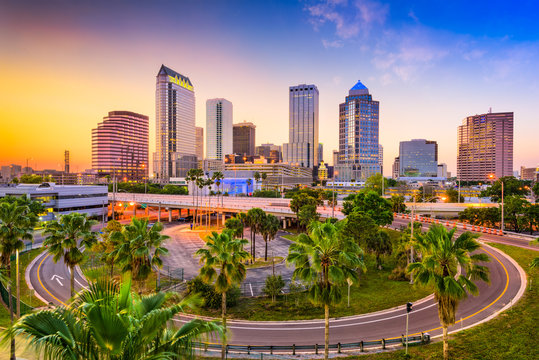
Tampa does not get direct hits from hurricanes constantly, and historically, it has been relatively fortunate in avoiding major direct impacts. This means that while hurricane preparedness is crucial for any Florida resident, the perception of frequent, devastating direct hits in Tampa is often overblown.
Florida is known as a hurricane-prone state, which leads many to believe that every coastal city is constantly in the bullseye. While Tampa, Florida, is certainly susceptible to hurricanes, the unique geography of Tampa Bay and the Gulf of Mexico has historically provided a degree of protection, often causing storms to weaken or veer off course before a direct hit.
> “Tampa does not get direct hits from hurricanes constantly. We’ve been very lucky historically. The last direct hit was in 1921.” This means that while we always prepare for the worst, the reality is that major direct hits are rare, and most impacts are from outer bands or weaker storms.
It’s important to differentiate between a direct hit and experiencing tropical storm-force winds or heavy rainfall from a passing hurricane. Every resident should have a hurricane plan, understand evacuation routes, and secure their property during hurricane season. However, the fear of constant direct hits shouldn’t deter someone from considering living in Tampa. Many communities, like Brandon, offer a slightly inland location that can provide additional peace of mind during hurricane season, as detailed in The TRUTH About Living in Brandon Florida.
Misconception 5: All Neighborhoods in Tampa Are in an HOA
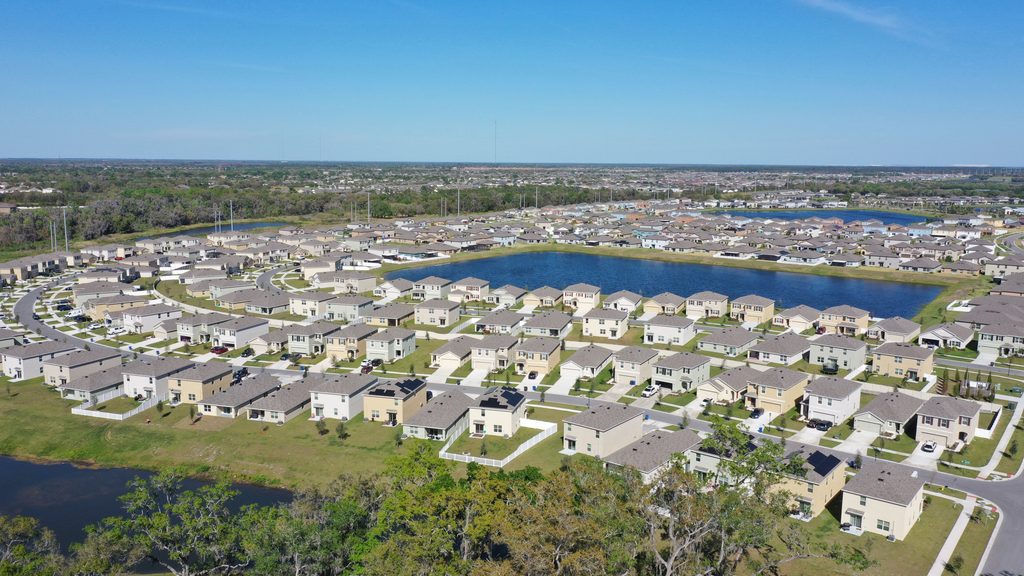
Not all neighborhoods in Tampa, Florida, are part of a Homeowners Association (HOA), though they are very common, especially in newer developments. This means that while you’ll encounter many HOA communities, there are still plenty of options for those who prefer to avoid them.
The prevalence of HOAs in Florida is well-known, and many people assume it’s impossible to find a home without one. While master-planned communities and newer subdivisions almost universally include HOAs to maintain community standards and amenities, older, more established neighborhoods often do not.
> “Not all neighborhoods in Tampa are in an HOA. You can definitely find homes without them, especially in older, more established areas.” This means that if HOA fees and rules are a concern, focusing your search on specific parts of the city can yield non-HOA properties.
HOAs can offer benefits like maintained common areas, community pools, and consistent aesthetic standards, but they also come with fees and rules that some homeowners prefer to avoid. It’s a trade-off, and the good news is that Tampa offers choices. I always discuss HOA status and fees with my clients early in the home search process to ensure we’re looking at properties that align with their preferences.
Misconception 6: Property Taxes in Tampa Are Always High Due to Online Estimates
Misconception 6: Property Taxes in Tampa Are Always High Due to Online Estimates has a practical answer that depends on budget, location, and household needs. This means readers can compare the tradeoff quickly before deciding whether the details fit their situation.
When people look at online real estate listings, they often see a property’s current tax bill, which can be misleading. Florida’s Save Our Homes Act caps the annual increase in assessed value for homesteaded properties at 3% or the Consumer Price Index, whichever is lower. This means that a homeowner who has lived in their house for many years might be paying taxes on a much lower assessed value than the current market value.
> “Online property tax estimates can be deceiving. The current owner’s tax bill is often much lower than what a new buyer will pay, but it’s also not the full market value.” The biggest mistake first-time buyers make is assuming the current owner’s tax bill is what they’ll pay, or conversely, assuming the online estimate (which often uses full market value) is the final figure. The truth lies somewhere in between, and it’s essential to understand how the Save Our Homes Act works for new purchases.
For a new buyer, the property will be reassessed at its purchase price. However, once you establish homestead exemption, your property tax increases are capped. This makes long-term homeownership in Tampa more predictable regarding property taxes. It’s a crucial detail that often gets overlooked, and I make sure my clients understand this nuance when budgeting for their new home.
Misconception 7: You Can Live in Tampa Without a Car
You generally cannot live in Tampa, Florida, without a car if you plan to get around efficiently and access all parts of the metropolitan area. This means that while certain urban pockets offer walkability, a vehicle is almost essential for most residents.
Some people, especially those moving from highly walkable or public-transportation-rich cities, hope to replicate that lifestyle in Tampa. While downtown Tampa and areas like Hyde Park or Ybor City offer decent walkability and some public transit options (like the TECO Line Streetcar), the city is largely designed for car travel.
> “You cannot live in Tampa without a car. It’s a car-centric city, and public transportation is not robust enough for daily commuting for most people.” This means that budgeting for a car, insurance, and gas should be a significant part of your relocation financial planning.
While ride-sharing services are available, relying on them for daily commutes or errands across the sprawling metro area can quickly become expensive. If you’re considering living in Tampa, it’s wise to factor in the cost and convenience of owning a car. For those who prioritize walkability, focusing on specific urban neighborhoods is key, but even then, a car will likely be needed for broader exploration or suburban excursions.
Key Takeaways
- Cost of Living: Tampa’s housing market is more accessible than many assume, especially compared to other major Florida cities, offering better value for a thriving metro area.
- Beach Proximity: While not a direct beach town, Tampa provides convenient access to world-class Gulf Coast beaches, typically a 30-45 minute drive away.
- Flood Zones: Not all Tampa homes are in flood zones; specific property research is crucial for understanding flood risk and potential insurance costs.
- Hurricane Risk: Tampa has historically been fortunate with direct hurricane hits, which are rare, though preparedness for tropical weather is always essential.
- HOA Presence: While common, especially in newer developments, non-HOA neighborhoods are available, offering options for diverse homeowner preferences.
- Property Taxes: Florida’s Save Our Homes Act can significantly cap property tax increases for homesteaded properties, making long-term tax burdens more predictable than initial online estimates suggest.
- Car Necessity: Tampa is a car-centric city; owning a vehicle is generally necessary for efficient daily living and accessing the broader metropolitan area.
Should You Consider Living in Tampa, Florida?
Tampa might be right for you if you prioritize:
- A dynamic urban environment with a strong job market and cultural amenities.
- Access to world-class beaches within a reasonable driving distance.
- A diverse housing market with options ranging from historic neighborhoods to master-planned communities.
- A climate that requires preparedness for tropical weather but offers abundant sunshine.
- The ability to own a car for daily commuting and exploration.
Tampa might be less ideal if you prioritize:
- Living directly on an ocean beach with walk-out access.
- A city where public transportation can entirely replace car ownership.
- Extremely low housing costs compared to national averages (though it offers good value for Florida).
- Avoiding HOAs entirely, as they are prevalent in many desirable communities.
Frequently Asked Questions (FAQ)
Q: What is the true cost of living in Tampa?
A: The true cost of living in Tampa is generally more affordable than other major Florida cities like Miami, Florida or Fort Lauderdale, Florida, with housing prices offering better value, though they have risen in recent years. This means a balanced budget approach is key, considering both housing and other expenses.
Q: Does Tampa have its own beaches?
A: No, Tampa itself does not have its own direct ocean beaches; it is located on Tampa Bay. The famous white-sand beaches like Clearwater Beach and St. Pete Beach are on the Gulf of Mexico, typically a 30-45 minute drive across a bridge from Downtown Tampa, a central Tampa district.
Q: Is Tampa prone to flooding?
A: While Tampa is a coastal city, not every home is in a flood zone. Flood risk varies significantly by location, with areas closer to the bay or low-lying regions having higher designations, requiring specific flood insurance.
Q: How often do hurricanes hit Tampa directly?
A: Tampa does not experience constant direct hurricane hits; historically, it has been relatively lucky, with the last major direct impact occurring in 1921. While hurricane preparedness is essential for all Florida residents, the perception of frequent devastating direct hits in Tampa is often exaggerated.
Q: Can you live in Tampa without a car?
A: Generally, no, you cannot live in Tampa without a car if you want to efficiently navigate the metropolitan area. While certain urban pockets offer walkability and limited public transit, the city is largely car-centric, making a vehicle almost essential for most residents.
—
Watch the Full Video
For more insights, watch the complete video: The TRUTH About Living in Tampa: 7 Myths Debunked
—
Making Your Move Easier
Moving forward does not have to be overwhelming. With the right guidance and support, you can navigate this journey smoothly. Thinking of buying or selling a home in Greater Tampa? My team and I are ready to help you every step of the way.
Here’s how to get in touch:
📧 Email: info@livingintampafl.com
📞 Phone: (727)677-5337
💻 YouTube: Living in Tampa FL