TL;DR
St. Pete, Florida, offers a distinct, walkable downtown vibe and a strong local identity that sets it apart from Tampa, Florida. From family-friendly neighborhoods with diverse school options to a vibrant food scene and access to the Pinellas Trail, St. Pete caters to various lifestyles. Understanding its unique quadrants, cost of living, and flood zone considerations is key to finding your perfect home.
—
After helping numerous families relocate across the Greater Tampa Bay area, I’ve consistently found that St. Pete, Florida, offers a lifestyle distinct from its larger neighbor, Tampa. Choosing the right city isn’t just about geography; it’s about finding a community that truly resonates with your daily life and future goals. While many consider moving to Tampa, St. Pete often emerges as a compelling alternative for those seeking a unique blend of urban charm and laid-back coastal living.
As a licensed real estate agent with LPT Realty, LLC, my team and I spend a lot of time on the ground, understanding the nuances of each neighborhood. The St. Pete market has its own rhythm, with properties ranging from historic bungalows to modern waterfront estates, each with specific considerations regarding cost, insurance, and lifestyle fit. My goal is to provide you with the insights you need to make an informed decision about living in St. Pete.
In this comprehensive guide, I’ll break down what truly differentiates St. Pete from Tampa, explore its vibrant downtown, detail its diverse neighborhood quadrants, and discuss critical factors like family-friendliness, schools, and the cost of living. You’ll also learn about important considerations like flood zones and hurricane impact. Let’s start by understanding the core differences that define St. Pete.
What Makes St. Pete Different from Tampa?
St. Pete, Florida, cultivates a distinct identity with a strong emphasis on walkability, local businesses, and a vibrant arts scene, setting it apart from the more corporate-centric feel of Tampa. This means residents often find a more community-focused and pedestrian-friendly environment, particularly in its downtown core.
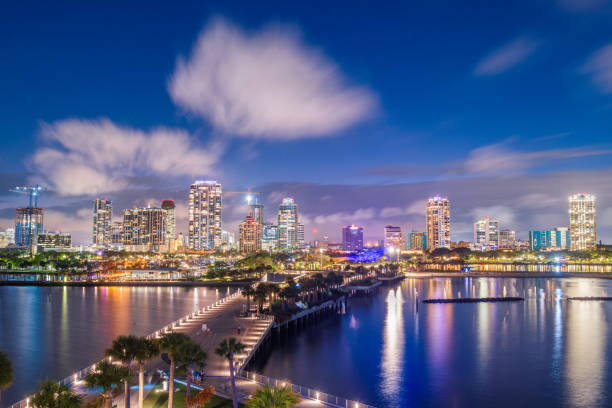
Many people moving to the Tampa Bay area often ask me about the key differences between these two major cities. While they are geographically close, their vibes are quite distinct. St. Pete has a palpable “local influence” that shapes its food, drink, and cultural scene, fostering a strong sense of community. The downtown area, in particular, boasts exceptional walkability, making it easy to enjoy waterfront parks, museums, and diverse dining options on foot.
Here’s a quick comparison to highlight the primary distinctions:
| Feature | St. Pete, Florida | Tampa, Florida |
|---|---|---|
| Vibe | Artsy, walkable, local, relaxed coastal | Corporate, bustling, diverse, more spread out |
| Downtown Focus | Pedestrian-friendly, arts, dining, waterfront | Business, entertainment, Riverwalk, Ybor City |
| Identity | Strong local pride, unique character | Broader, more metropolitan, diverse influences |
| Walkability | High, especially downtown and central neighborhoods | Moderate, concentrated in specific districts |
| Local Influence | Very strong in food, drink, and culture | Mix of local and national chains |
The Unique Vibe of Downtown St. Pete
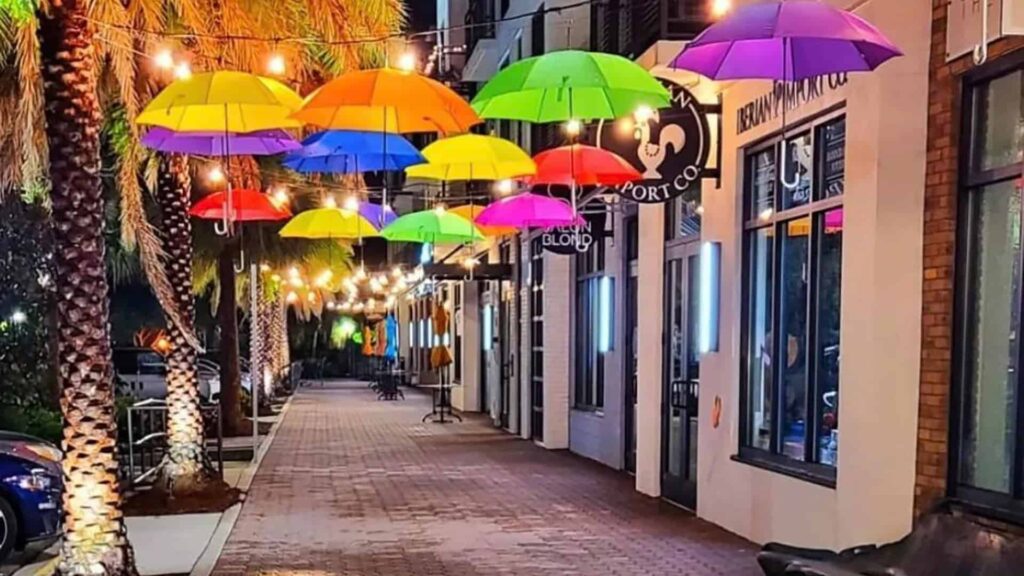
Downtown St. Pete offers a vibrant, highly walkable urban experience characterized by its unique blend of arts, culture, and local businesses. This means residents and visitors can easily access museums, waterfront parks, diverse restaurants, and lively entertainment without needing a car.
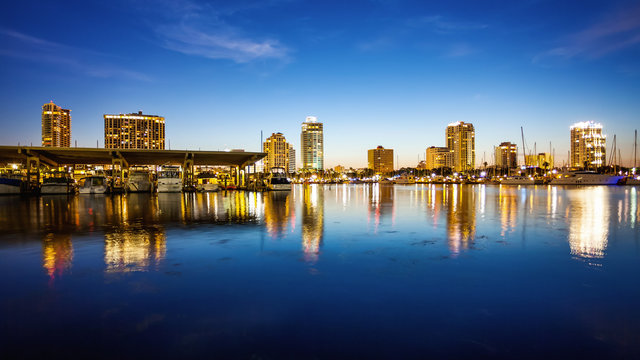
When I talk about living in St. Pete, the downtown area is often the first thing that comes to mind for many. It has a distinctive energy that is hard to replicate. You’ll find a thriving arts scene with numerous galleries and museums, including the Dalí Museum, alongside a fantastic array of independent restaurants and bars. The waterfront parks, like Vinoy Park and Demens Landing, provide stunning views of Tampa Bay and host numerous events throughout the year. The entire area feels designed for people to enjoy on foot, fostering a lively street culture that’s very appealing.
> “The downtown vibe and walkability in St. Pete is a huge differentiator. It’s a place where you can genuinely live, work, and play without constantly getting in your car.”
The local influence here is undeniable, from the craft breweries to the boutique shops. It’s a place where small businesses thrive, contributing to that unique “St. Pete identity” that residents cherish. If you’re looking for a dynamic urban environment that still feels connected to its community roots, downtown St. Pete is a fantastic option.

Is St. Pete a Family-Friendly City?
Yes, St. Pete, Florida, is genuinely family-friendly, offering a variety of neighborhoods with good schools, numerous parks, and community-oriented activities. This means families have diverse options for both public and private education, along with plenty of recreational opportunities.
I often get asked if St. Pete is a good place to raise a family, and my answer is always a resounding yes. While the downtown area might seem geared towards adults, many neighborhoods throughout the city are perfect for families. The city boasts a strong public school system, and for those seeking alternatives, there are also excellent private school options. When considering education, it’s always best to research specific school ratings and programs that align with your children’s needs.
Beyond schools, St. Pete offers a wealth of family activities, from its beautiful beaches just a short drive away to numerous local parks and recreational facilities. The community often hosts family-focused events, and the overall atmosphere is welcoming. For homeowners, understanding potential tax benefits like the Florida Homestead Exemption Explained — Portability, Save Our Homes & More can also be a significant factor in long-term affordability.
Exploring St. Pete’s Diverse Neighborhood Quadrants
St. Pete is broadly divided into distinct neighborhood quadrants, each offering unique characteristics in terms of home styles, amenities, and cost of living. Understanding these areas is essential for finding a neighborhood that perfectly matches your lifestyle and budget.
From my experience, St. Pete’s neighborhoods truly offer something for everyone. I like to break the city down into quadrants to help clients visualize the different vibes and price points. Fourth Street often serves as a key divider, especially when considering flood zones, which is a critical factor in many areas.
The North Side: Gandy, Allendale, Crescent Lake
The North Side of St. Pete, encompassing areas like Gandy, Allendale, and Crescent Lake, offers a mix of established residential areas with a suburban feel and convenient access to major roadways. This means you’ll find a range of housing options, from mid-century homes to more modern developments, often with good proximity to amenities.
This area is generally considered more residential and less dense than the central core. Gandy Boulevard is a major thoroughfare, providing easy access to Tampa via the Gandy Bridge. Neighborhoods like Allendale and Crescent Lake are known for their beautiful, tree-lined streets and well-maintained homes, often with a classic St. Pete charm. Crescent Heights, in particular, offers a desirable blend of character and community.
Central St. Pete: Old Northeast & Downtown Charm
The Central Pocket of St. Pete, including the iconic Old Northeast and the Downtown area, is highly sought after for its historic charm, walkability, and proximity to the city’s vibrant core. This means you’ll find beautiful historic homes, tree-lined streets, and unparalleled access to waterfront parks, dining, and cultural attractions.
Old Northeast is arguably one of St. Pete’s most beloved neighborhoods. It’s characterized by its stunning historic homes, brick streets, and mature oak trees. The walkability here is exceptional, with residents often strolling to downtown, the waterfront, or local shops and cafes. This area commands a higher price point due to its desirability and unique character. Snell Isle and Shore Acres, located just east of Old Northeast, offer luxurious waterfront living with direct access to the bay, featuring larger homes and stunning views.

The Southeast: Coquina Key & Roser Park
The Southeast quadrant of St. Pete, featuring areas like Coquina Key and Roser Park, offers more diverse housing options, often at a more accessible price point than the central core, while still providing good proximity to downtown. This means you can find a range of properties, from waterfront condos to historic homes, with varying levels of flood risk.
Coquina Key is known for its canal-front homes and a mix of single-family residences and condos, many with boat access. Roser Park, on the other hand, is a historic district characterized by its hilly terrain, brick streets, and unique architecture, often offering a more secluded feel despite being close to downtown. These areas can present more affordable entry points into St. Pete’s housing market, but it’s crucial to understand their specific flood zone designations.
The West Side: Kenwood, Oak Park, & Pinellas Trail Access
The West Side of St. Pete, including neighborhoods like Kenwood, Oak Park, and Jungle Terrace, provides a blend of historic charm, established residential areas, and excellent access to the Pinellas Trail. This means residents can enjoy a more relaxed pace of life with easy access to recreational opportunities and a variety of housing styles.
Kenwood is famous for its historic bungalows and vibrant arts community, often attracting those who appreciate unique architecture and a strong neighborhood identity. Oak Park and Jungle Terrace offer more traditional suburban settings, with many homes built in the mid-20th century. A significant draw for this side of the city is the Pinellas Trail, a multi-use path that stretches for miles, perfect for walking, jogging, and biking. This trail access greatly enhances the quality of life for active residents.
Understanding Cost of Living, Flood Zones, and Insurance in St. Pete
The cost of living in St. Pete, Florida, varies significantly by neighborhood, with central and waterfront areas being more expensive, and is heavily influenced by insurance costs and flood zone designations. This means prospective buyers must factor in potential higher insurance premiums, especially for properties in flood-prone areas, when budgeting for a home.
When considering living in St. Pete, understanding the financial landscape beyond the home price is crucial. The cost of living is directly impacted by where you choose to live. Areas like Old Northeast, Snell Isle, and downtown will naturally have higher property values and, consequently, higher property taxes. However, even in more affordable neighborhoods, insurance can be a significant expense.
Florida’s unique geography means that flood zones are a major consideration. Fourth Street, for example, often acts as a natural divider, with areas east of it generally having higher flood risks. It’s imperative to get a current flood zone determination for any property you’re interested in and obtain insurance quotes early in the buying process. As I’ve seen firsthand, understanding these risks is paramount, and sometimes, even properties not directly on the water can be impacted. For a deeper dive into real-world flood experiences, you might find My House Flooded Twice. Now FEMA Says It Could Be Demolished to be a very insightful (and cautionary) watch.
Hurricane impact is another factor that influences insurance rates and property resilience. While St. Pete has been fortunate in recent years, it’s always wise to choose properties with good construction, consider mitigation efforts, and ensure you have adequate coverage. My team and I can help you navigate these complexities to ensure you’re making a sound investment.
Key Takeaways
- St. Pete offers a distinct, walkable urban experience with a strong local identity, contrasting with Tampa’s more corporate feel, making it ideal for those prioritizing community and pedestrian access.
- Neighborhoods vary significantly in character and cost, with areas like Old Northeast and Snell Isle offering historic charm and luxury, while the West Side provides access to the Pinellas Trail and more traditional residential options.
- Family-friendly options are abundant across St. Pete, with diverse public and private school choices and numerous parks, ensuring a good quality of life for those raising children.
- Cost of living is heavily influenced by location and insurance, especially in flood zones, with properties east of Fourth Street often facing higher premiums, necessitating thorough due diligence.
Should You Move to St. Pete?
St. Pete might be right for you if you prioritize:
- A highly walkable downtown with a vibrant arts and food scene
- A strong sense of local community and unique identity
- Diverse neighborhoods ranging from historic to waterfront luxury
- Access to outdoor activities like the Pinellas Trail and beautiful parks
Tampa might be better if you prioritize:
- A larger metropolitan feel with more corporate opportunities
- A broader range of entertainment and sports venues
- More extensive suburban sprawl with newer developments
- Easier access to major airports and interstate highways
Frequently Asked Questions (FAQ)
Q: What are the key differences between St. Pete and Tampa?
A: St. Pete is known for its highly walkable, arts-centric downtown and strong local identity, emphasizing independent businesses and a relaxed coastal vibe, whereas Tampa has a more corporate, bustling, and spread-out metropolitan feel.
Q: Is St. Pete, Florida a good place for families?
A: Yes, St. Pete is family-friendly, offering a variety of neighborhoods with good public and private school options, numerous parks, and community-oriented activities that cater to children and parents alike.
Q: Which neighborhoods in St. Pete are most walkable?
A: Downtown St. Pete and the Old Northeast are the most walkable neighborhoods, providing easy pedestrian access to waterfront parks, restaurants, shops, and cultural attractions.
Q: How does the cost of living vary across St. Pete areas?
A: The cost of living in St. Pete varies significantly, with central and waterfront neighborhoods like Old Northeast and Snell Isle being more expensive, while areas in the Southeast and parts of the North and West sides can offer more accessible price points.
Q: What should I know about flood zones and insurance in St. Pete?
A: Flood zones are a critical consideration in St. Pete, especially for properties east of Fourth Street, and potential buyers should always obtain a flood zone determination and insurance quotes early, as premiums can significantly impact the overall cost of homeownership.
—
Watch the Full Video
For more insights, watch the complete video: St Pete
—
Making Your Move Easier
Moving forward does not have to be overwhelming. With the right guidance and support, you can navigate this journey smoothly. My team and I are ready to help you every step of the way.
Here’s how to get in touch:
📧 Email: info@livingintampafl.com
📞 Phone: (727)677-5337
💻 YouTube: Living in Tampa FL