TL;DR
Choosing between a waterfront condo and a single-family home in Tampa, Florida Bay involves weighing lifestyle preferences, privacy needs, and significant financial considerations. From HOA fees and flood insurance to maintenance for seawalls and docks, understanding these differences is key to making an informed decision about your ideal Florida property.
—
After helping countless families navigate the vibrant Tampa Bay real estate market, I’ve seen firsthand that the dream of owning a waterfront property often comes with a crucial choice: a condo or a single-family home. Both offer unparalleled access to Florida’s stunning waters, but the financial realities, lifestyle implications, and ongoing responsibilities differ dramatically. The right choice isn’t just about the view; it’s about aligning your investment with your long-term goals and desired way of life.
In my experience as a licensed real estate agent in Tampa, Florida, understanding these nuances is paramount. The market here is unique, especially concerning beach access and the complexities of waterfront living. Many buyers are drawn to the allure of the water, but few fully grasp the intricacies of ownership until they’re deep into the process. That’s where expert guidance becomes invaluable.
In this comprehensive guide, I’ll break down the fundamental differences between waterfront condos and single-family homes in Tampa, covering everything from initial expenses and mortgage factors to long-term maintenance and legal considerations. You’ll learn about the unique aspects of Tampa’s beach access, the trade-offs in lifestyle and privacy, and essential questions to ask before you buy. Let’s explore which waterfront property truly fits your vision.
Condo vs. Single Family Waterfront: The Basics
When considering waterfront property in Tampa, the fundamental choice between a condo and a single-family home dictates much of your ownership experience and financial commitment. A condo typically offers a more hands-off approach to exterior maintenance and shared amenities, while a single-family home provides greater autonomy and privacy, albeit with more direct responsibility for the entire property.
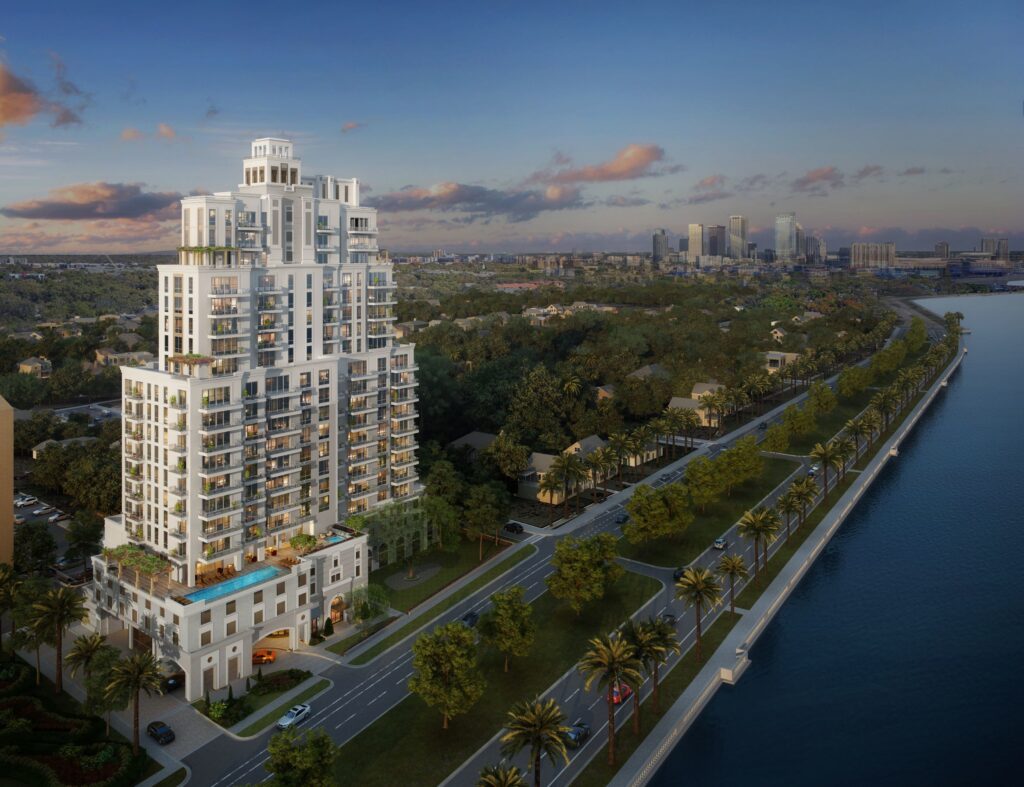
I often see two distinct types of waterfront buyers: those who prioritize the view and access, and those who need direct boat access for larger vessels. If your primary goal is to enjoy the water from your balcony or take a short walk to the beach, a condo might be perfect. However, if you have a significant boat and require specific water depth, a single-family home with a private dock is often the only viable option. This distinction is crucial in Tampa, Florida, where beach access is uniquely integrated into the urban landscape.
Why Tampa is Unique for Beach Access
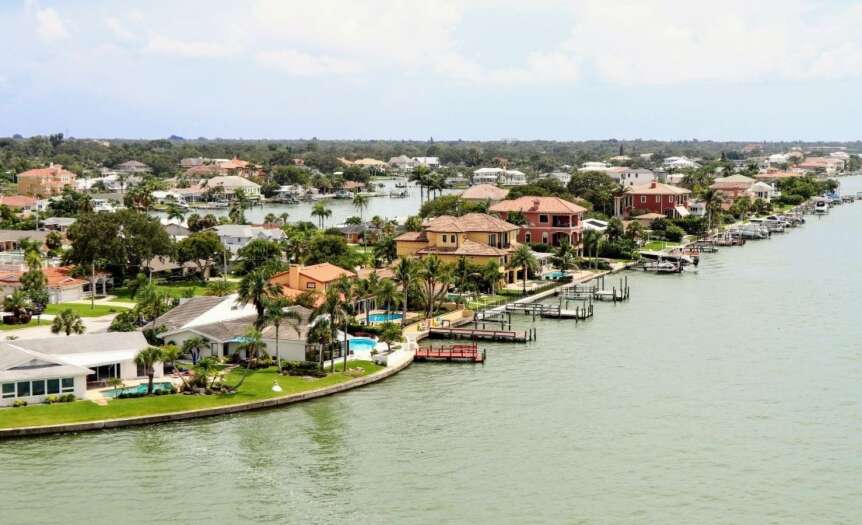
Tampa, Florida, offers a distinctive advantage for beach lovers, as many areas provide easy access to stunning Gulf beaches without requiring direct beachfront ownership. Unlike some coastal cities where beachfront properties are exclusively high-end, Tampa’s unique geography means you can live in a waterfront condo or home on a bay or river and still be just a short drive from world-class beaches like those in St. Pete Beach or Clearwater. This means buyers have more options to enjoy the water, even if direct Gulf-front property is out of their budget.
In Before You Buy a Waterfront Home in Tampa Bay, Watch This, I delve deeper into the specific considerations for waterfront purchases, including the importance of understanding the local geography and how it impacts access and property value. It’s not just about being on the water; it’s about which water and how you plan to use it.
Lifestyle Perks & Privacy Trade-offs
Choosing between a condo and a single-family home on the water in Tampa involves significant trade-offs between lifestyle perks and privacy. Condos often offer resort-style amenities like pools, gyms, and shared social spaces, fostering a community feel, but they come with less personal space and closer proximity to neighbors. Conversely, a single-family home provides unparalleled privacy, a private yard, and often a personal dock, but requires you to manage all maintenance and upkeep yourself.
For those who value convenience and a social environment, a condo can be ideal. You get the waterfront experience without the burden of exterior maintenance. However, if peace, quiet, and the freedom to customize your space are top priorities, a single-family home offers that sanctuary. This decision hinges on your personal preference for community versus solitude, and how much hands-on involvement you want in property management.
Waterfront Home Expenses Comparison
Florida’s non-housing expenses can be manageable, but they still need to be planned before a move. A useful reference point is 3%. This means renters and buyers should budget beyond the monthly payment instead of treating housing as the only major cost.
Understanding Condo HOA Fees & Rules of Thumb
Condo HOA fees are a significant and often underestimated expense for waterfront condos, covering shared amenities, common area maintenance, and sometimes even building insurance. These fees can range from a few hundred to over a thousand dollars per month, depending on the building’s age, amenities, and location. I advise clients to budget for HOA fees that include a healthy reserve fund, which is crucial for covering unexpected major repairs without special assessments.
It’s important to ask for the HOA’s financial statements and meeting minutes to understand their reserves and any planned special assessments. A well-managed HOA with strong reserves provides peace of mind, while a poorly funded one can lead to costly surprises down the line. Additionally, condos often have strict rules regarding rentals, guests, and even exterior modifications, which can impact your lifestyle and potential for income. This is explored further in Retiring in Tampa Bay: The REAL Costs Nobody Tells You, where I discuss hidden costs that can impact long-term financial planning.
Do You Need Flood Insurance for a Condo?
Yes, you absolutely need flood insurance for a waterfront condo, even if it’s on a higher floor, because the building’s common areas and foundation are still vulnerable. While the HOA typically covers the building’s master flood policy, individual unit owners are responsible for their personal belongings and interior finishes. This means you’ll need a separate HO6 policy, which covers the interior of your unit from the studs in.
Many buyers mistakenly believe that if their unit isn’t on the ground floor, they’re safe from flood risk. However, damage to the building’s lower levels, utilities, or shared infrastructure can still render your unit uninhabitable and lead to significant financial loss without proper coverage. Always verify the HOA’s master policy and secure your own HO6 policy for comprehensive protection.
Waterfront Home Expenses: Taxes & Insurance
For single-family waterfront homes in Tampa, property taxes and insurance costs are typically higher than for condos, reflecting the larger property value and individual responsibility. Property taxes are assessed on the full value of the land and structure, while insurance includes a comprehensive homeowner’s policy, wind insurance, and often a separate flood insurance policy, which can be substantial in coastal areas. This means you’re solely responsible for securing and paying for all aspects of your property’s protection.
I always recommend getting detailed insurance quotes early in the buying process, as these costs can vary significantly based on the home’s elevation, construction, and proximity to the water. A good estimate for annual property taxes and insurance for a single-family waterfront home can easily be 2-3% of the home’s value, making it a crucial budget item. For more on overall costs, consider Moving to Florida in 2026? The REAL Costs Nobody Tells You, which outlines broader financial considerations for relocation.
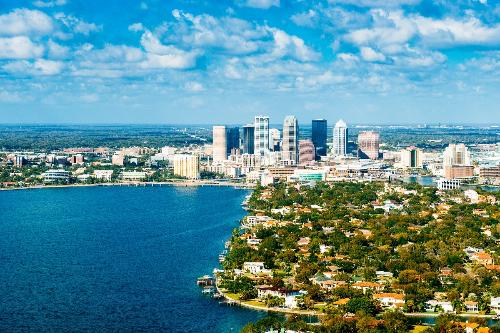
Maintenance Realities: Seawalls & Docks
One of the most significant and often overlooked expenses for single-family waterfront homes in Tampa is the ongoing maintenance of seawalls and docks. Unlike condos where these are common elements managed by the HOA, a single-family homeowner is solely responsible for these structures. Seawalls, which protect your property from erosion, can cost tens of thousands of dollars to repair or replace, and docks require regular upkeep, including repairs to pilings, decking, and electrical systems.
These are not minor expenses; a new seawall can easily run into the $50,000 to $100,000+ range, depending on its length and material, and a dock replacement can be similarly costly. It’s critical to have these structures inspected by a marine contractor during your due diligence period to understand their condition and anticipate future costs. Neglecting these can lead to severe property damage and even legal issues.
Milestone Inspections & Recent Florida Law Changes
Recent Florida law changes, particularly regarding Milestone Inspections, have significantly impacted condo ownership, especially for older buildings. These laws mandate structural and electrical inspections for buildings 25 years or older (and 30 years for those outside a certain coastal zone), with follow-up inspections every 10 years. This means older waterfront condo buildings are now facing mandatory, potentially expensive, assessments to ensure structural integrity. These inspections are a direct response to past building collapses and are designed to enhance safety.
For condo buyers, this translates to a greater likelihood of special assessments if the building’s reserves are insufficient to cover necessary repairs identified by these inspections. It’s imperative to review the inspection reports and the HOA’s financial health to understand potential future liabilities. This is a critical factor that can significantly impact the long-term cost of condo ownership in Florida.
Rental & Guest Restrictions in Condos
Waterfront condos often come with strict rental and guest restrictions that can impact your ability to generate income or host visitors. Many HOAs have minimum rental periods (e.g., 30 days, 6 months, or even 1 year), limits on the number of times you can rent out your unit per year, and specific approval processes for tenants. This means if you’re planning to use your condo as a short-term rental or frequently host friends and family, you must thoroughly understand these rules before purchasing.
These restrictions are often in place to maintain the community’s character, reduce transient populations, and ensure security. While they can be a benefit for full-time residents seeking stability, they can be a significant drawback for investors or those looking for flexible usage. Always obtain a copy of the HOA’s governing documents and bylaws to review all rental and guest policies.
Finding the Right Water Depth for Your Boat
For serious boaters, finding a waterfront property with the correct water depth is paramount, especially in Tampa Bay. The depth of the water at your dock, particularly at low tide, determines the size and type of vessel you can keep. Many waterways in Tampa Bay, especially those leading to smaller canals, can be quite shallow, making them unsuitable for larger sailboats or deep-draft powerboats. This means you must consider your specific boating needs before falling in love with a property.
I always recommend checking tide charts and, if possible, measuring the water depth at low tide with a local marine expert. A property might boast a beautiful dock, but if the water is too shallow for your boat, it becomes a costly aesthetic feature rather than a functional asset. This is a common oversight that can lead to significant disappointment and additional expenses for dredging or finding alternative moorage.

The Verdict: Who Should Buy Each?
Housing is usually the biggest budget factor in Florida, whether someone plans to rent first or buy right away. This means the housing choice will usually decide whether Florida feels comfortable, stretched, or out of reach.
For buyers prioritizing a hands-off approach to exterior maintenance, access to shared amenities, and a potentially lower entry price point, a condo is often the better fit. If you crave privacy, have a large boat, and are prepared for the responsibilities and costs of maintaining a larger property, a single-family waterfront home offers unparalleled freedom. The key is to honestly assess your needs and financial comfort.
4 Questions to Ask Before You Buy
Before making an offer on any waterfront property in Tampa, I urge clients to ask these four crucial questions:What are the full, true costs? Beyond the mortgage, factor in HOA fees, property taxes, all layers of insurance (homeowner’s, wind, flood), and potential maintenance for seawalls/docks. What is the water depth at low tide? If you’re a boater, this is non-negotiable. Verify it for your specific vessel. What are the HOA rules and regulations? For condos, understand rental restrictions, guest policies, and any limitations on property use or modifications. What is the condition of the seawall and dock? For single-family homes, get an independent marine inspection to assess their structural integrity and anticipate future repair or replacement costs.
Key Takeaways
- Waterfront property in Tampa offers diverse options: From low-maintenance condos with shared amenities to private single-family homes with direct boat access, the choice depends on your lifestyle and boating needs.
- Condo HOA fees and flood insurance are critical considerations: Expect significant monthly HOA fees (potentially over $1,000) and budget for an HO6 flood policy, even for higher floors, to cover interior unit damage.
- Single-family waterfront homes incur substantial maintenance costs: Be prepared for significant expenses related to seawall and dock maintenance, which can easily reach $50,000 to $100,000+ for repairs or replacement.
- Florida’s Milestone Inspections impact older condos: Recent law changes mean older condo buildings face mandatory structural inspections, potentially leading to costly special assessments for unit owners.
- Water depth is paramount for boaters: Always verify the water depth at low tide for any property with a dock to ensure it accommodates your specific vessel.
Should You Buy a Waterfront Condo or Single-Family Home in Tampa?
A Waterfront Condo might be right for you if you prioritize:
- A low-maintenance lifestyle with exterior upkeep handled by an HOA.
- Access to shared amenities like pools, gyms, and social spaces.
- A potentially lower entry price point for waterfront living.
- Being close to neighbors and a community atmosphere.
A Single-Family Waterfront Home might be better if you prioritize:
- Maximum privacy and personal space with a private yard.
- Direct, unrestricted boat access with a personal dock.
- Full control over property modifications and no rental restrictions.
- The willingness and budget to manage all maintenance, including seawalls and docks.
Frequently Asked Questions (FAQ)
Q: What are the differences between waterfront condos and single-family homes?
A: Waterfront condos typically offer shared amenities, a lower maintenance lifestyle with HOA management of common areas, and less privacy, while single-family homes provide greater privacy, full control over the property, and direct responsibility for all maintenance, including seawalls and docks.
Q: Do waterfront condos require flood insurance?
A: Yes, waterfront condos generally require flood insurance, even for units on higher floors, as the HOA’s master policy covers the building’s structure, but individual unit owners need an HO6 policy for their personal belongings and interior finishes.
Q: What are typical HOA fees for waterfront properties?
A: Typical HOA fees for waterfront condos in Tampa can range from a few hundred to well over a thousand dollars per month, depending on the building’s age, amenities, and the robustness of its reserve funds, which are crucial for covering major repairs.
Q: What maintenance is required for waterfront homes with seawalls and docks?
A: Waterfront homes with seawalls and docks require significant ongoing maintenance, including regular inspections, repairs to pilings, decking, and electrical systems, and potential costly replacement of seawalls (which can exceed $50,000-$100,000) to prevent erosion and structural damage.
Q: Are there rental restrictions for waterfront condos in Florida?
A: Yes, many waterfront condos in Florida have strict rental and guest restrictions, including minimum rental periods (e.g., 30 days to a year), limits on annual rental frequency, and specific approval processes for tenants, which can impact income potential and usage flexibility.
—
Watch the Full Video
For more insights, watch the complete video: Waterfront vs Beach
—
Making Your Move Easier
Moving forward does not have to be overwhelming. With the right guidance and support, you can navigate this journey smoothly. My team and I are ready to help you every step of the way.
Here’s how to get in touch:
📧 Email: info@livingintampafl.com
📞 Phone: (727)677-5337
💻 YouTube: Living in Tampa FL