TL;DR
Relocating to Greater Tampa, Florida, comes with unique challenges many overlook. This guide highlights five critical Florida relocation mistakes to avoid, including misunderstanding flood zones, underestimating commutes, overlooking specific home inspections, falling for areas from afar, and being surprised by CDD fees and property taxes. Understanding these pitfalls is key to a successful move.
—
After helping numerous families navigate the dynamic Greater Tampa real estate market, I’ve seen firsthand how crucial it is to be fully prepared before making a move. While the sunshine and vibrant lifestyle are undeniably appealing, there are specific nuances to buying or selling a home here that often catch people off guard. My goal is to equip you with the knowledge to avoid common pitfalls and make informed decisions.
In my experience as a licensed real estate agent with LPT Realty, LLC, I’ve observed that many of the biggest frustrations stem from a lack of awareness about local specifics. From the unique insurance requirements to the intricacies of property taxes, understanding these details can save you significant time, money, and stress. The Tampa Bay area is diverse, and what applies to one neighborhood might not apply to another.
In this comprehensive guide, I’ll break down the top five mistakes I consistently see people make when relocating to Greater Tampa, Florida. You’ll learn how to navigate everything from flood zones and insurance to the often-surprising CDD fees, ensuring your transition is as smooth and successful as possible. Let’s dive into these critical insights.
Mistake #1: Misunderstanding Florida Flood Zones & Insurance
Misunderstanding Florida flood zones and the associated insurance costs is one of the most significant Florida relocation mistakes I see, leading to unexpected expenses and stress. Many buyers assume a property’s flood zone status is straightforward, but the reality is more complex, directly impacting your monthly housing costs.
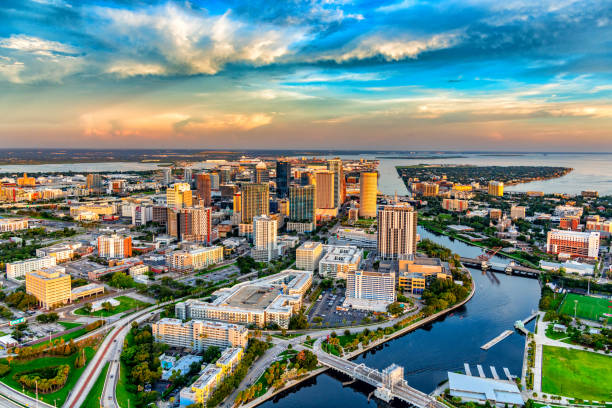
Here’s the thing: just because a property isn’t directly on the water doesn’t mean it’s not in a flood zone. FEMA maps are constantly updated, and even a slight elevation change can make a difference. Flood insurance is often mandatory for homes in designated flood zones if you have a federally backed mortgage, and these premiums can add hundreds of dollars to your monthly payment. It’s not just about the risk of flooding, but the financial obligation that comes with it. Always get an insurance quote before making an offer, not after.

Mistake #2: Underestimating the Florida Commute
Underestimating the Florida commute, especially in the sprawling Greater Tampa Bay area, is a common oversight that can significantly impact daily life and satisfaction. What looks like a short distance on a map can translate into a much longer drive due to traffic congestion, especially during peak hours and across bridges.
Tampa Bay traffic is a real factor, particularly on major arteries like I-275, I-75, and the Selmon Expressway. Commute times can easily double during rush hour, turning a 20-minute drive into 40 minutes or more. I always advise clients to test drive their potential commute at different times of day before committing to an area. Furthermore, many bridges, like the Sunshine Skyway, have tolls, which can add up over time. It’s not just about the time in the car, but the cost of getting there.
Mistake #3: Florida Home Inspections (4-Point & Wind Mitigation)
Navigating Florida home inspection types, specifically the crucial 4-Point and Wind Mitigation inspections, is essential for both safety and securing affordable insurance. These specialized inspections are often required by insurance companies and differ significantly from a standard home inspection.
The 4-Point Inspection focuses on four key areas: the roof, HVAC (heating, ventilation, and air conditioning), electrical, and plumbing systems. Insurers use this to assess the current condition and remaining useful life of these critical components, especially for homes 10 years or older. A failing 4-Point inspection can make it difficult or impossible to get homeowner’s insurance. The Wind Mitigation Inspection, on the other hand, evaluates a home’s ability to withstand high winds, looking at features like roof shape, construction type, window and door coverings, and how the roof is attached to the walls. Passing a wind mitigation inspection can lead to significant discounts on your homeowner’s insurance premiums, which are already higher in Florida due to hurricane risk. I always recommend getting these done early in the process.
Mistake #4: Falling in Love with an Area from a Distance
Falling in love with an area from a distance is a frequent Florida relocation mistake that can lead to disappointment once you’ve moved, as online research often misses critical day-to-day realities. While virtual tours and online photos are helpful, they can’t fully convey the true feel, sounds, and rhythms of a neighborhood.
I’ve seen many clients fall for a neighborhood’s aesthetic online, only to find it doesn’t match their lifestyle once they arrive. Factors like noise levels, proximity to amenities, actual walkability, and even the local community vibe are best experienced in person. Driving through an area at different times of day and night, visiting local shops, and talking to residents can reveal crucial details. For those exploring various options, I often recommend watching videos like Tampa Bay’s Best Small Towns — Which One Is Right For You? to get a broader perspective before narrowing down your search. It’s about ensuring the area truly fits your needs, not just your online impression.
Mistake #5: CDD Fees and Property Tax Surprises
Being surprised by CDD fees and property tax surprises in Florida is a common financial pitfall for new residents, significantly impacting the true cost of homeownership. Many buyers are unaware of these additional assessments until they see their closing documents or first tax bill.
CDD fees, or Community Development District fees, are non-ad valorem assessments levied on properties within certain master-planned communities, especially newer ones. These fees cover the costs of infrastructure like roads, utilities, and amenities such as clubhouses and pools, and can add anywhere from a few hundred to several thousand dollars annually to your property tax bill. They are often collected with your property taxes, making the total tax burden much higher than anticipated. For a deeper dive into this specific issue, I recommend checking out Living in Riverview Florida — The CDD Fee Nobody Warns You About, which explains how these fees can impact your budget. Understanding these fees upfront is critical for an accurate budget. Similarly, while exploring different areas, it’s important to understand the full financial picture. For example, The TRUTH About Living in Brandon Florida provides insights into how different communities might have varying cost structures beyond just the home price.

Key Takeaways
- Flood Zone Awareness is Critical: Always verify a property’s flood zone status and obtain an insurance quote before making an offer, as premiums can add hundreds to your monthly housing costs, even for homes not directly on the water.
- Factor in Commute Realities: Greater Tampa Bay traffic can be significant, especially during peak hours and across bridges; test drive your commute and account for potential tolls to avoid daily frustration.
- Specialized Inspections are Non-Negotiable: Ensure you understand and budget for 4-Point and Wind Mitigation inspections, which are often required by insurers and can lead to substantial premium discounts.
- Visit Before You Commit: Resist the urge to fall in love with an area solely from online research; experiencing neighborhoods in person at different times is crucial to ensure a true lifestyle fit.
- Understand CDD Fees and Full Property Tax Burden: Be aware of Community Development District (CDD) fees in newer communities, which can add thousands annually to your property tax bill and significantly impact your overall homeownership costs.
Should You Relocate to Greater Tampa?
Should You Relocate to Greater Tampa has a practical answer that depends on budget, location, and household needs. This means readers can compare the tradeoff quickly before deciding whether the details fit their situation.
Greater Tampa might be right for you if you prioritize:
- A vibrant coastal lifestyle with diverse cultural and recreational opportunities.
- Access to beautiful beaches and year-round outdoor activities.
- A growing job market, particularly in healthcare, finance, and technology.
- A community that offers a wide range of housing options, from urban lofts to suburban family homes.
You might need further consideration if you prioritize:
- Avoiding high home insurance costs, especially in flood-prone areas.
- A short, consistent commute without significant traffic or tolls.
- Predictable property tax bills without additional CDD fees.
- A clear understanding of a neighborhood’s daily life without an in-person visit.
Frequently Asked Questions (FAQ)
Q: What are the biggest mistakes when moving to Florida?
A: The biggest mistakes when moving to Florida often include underestimating flood insurance costs, not accounting for heavy traffic and commute times, overlooking specific home inspection requirements like 4-Point and Wind Mitigation, buying a home in an area without visiting it first, and being surprised by additional CDD fees and property tax assessments.
Q: How do flood zones impact home insurance in Florida?
A: Flood zones significantly impact home insurance in Florida by often requiring mandatory flood insurance for properties with federally backed mortgages in designated zones, which can add hundreds of dollars to your monthly housing expenses, regardless of proximity to water.
Q: What are CDD fees and property tax surprises in Florida?
A: CDD fees (Community Development District fees) are additional assessments in Florida’s master-planned communities that cover infrastructure and amenities, adding anywhere from a few hundred to several thousand dollars annually to your property tax bill, often surprising buyers who aren’t aware of them upfront.
Q: What kind of home inspections are common in Florida?
A: In addition to a standard home inspection, common and often required home inspections in Florida include the 4-Point Inspection (focusing on roof, HVAC, electrical, and plumbing for older homes) and the Wind Mitigation Inspection, which assesses a home’s hurricane resistance for insurance discounts.
Q: How can I avoid common Florida relocation pitfalls?
A: You can avoid common Florida relocation pitfalls by thoroughly researching flood zones and getting insurance quotes early, personally test-driving commutes, understanding and budgeting for specialized inspections, visiting potential neighborhoods in person, and getting a clear breakdown of all property taxes and CDD fees before making an offer.
—
Watch the Full Video
For more insights, watch the complete video: 5 mistakes
—
Making Your Move Easier
Moving forward does not have to be overwhelming. With the right guidance and support, you can navigate this journey smoothly. My team and I are ready to help you every step of the way.
Here’s how to get in touch:
📧 Email: info@livingintampafl.com
📞 Phone: (727)677-5337
💻 YouTube: Living in Tampa FL