TL;DR
Florida offers a compelling lifestyle with no state income tax and a vibrant job market, but it comes with unique challenges like high home insurance costs, hurricane risks, and significant traffic in growing areas. Understanding the regional differences, from the bustling Tampa Bay to the serene Panhandle, is key to determining if the Sunshine State is your ideal home.
—
After helping 31+ families buy and sell homes across Greater Tampa and beyond, I’ve learned that understanding the nuances of living in Florida is far more complex than just sunshine and beaches. Many people dream of the Florida lifestyle, but the reality involves navigating everything from property taxes and insurance to traffic and hurricane preparedness. My goal is to provide a clear, honest picture so you can make an informed decision.
In my years as a licensed Florida real estate agent, I’ve seen firsthand how the market has evolved, with continuous growth bringing both opportunities and challenges. The state’s diverse regions offer vastly different experiences, and what works for one family in Miami, Florida might not suit another in Jacksonville, Florida. It’s crucial to look beyond the headlines and understand the practicalities of daily life here.
This comprehensive guide will break down the essential aspects of life in Florida, covering everything from financial considerations and weather patterns to job opportunities and regional specifics. We’ll explore the pros and cons, helping you determine if the unique charm and challenges of Florida align with your personal and financial goals. Let’s dive into what you truly need to know.
Understanding the Cost of Living & Tax Benefits in Florida
The cost of living in Florida can be surprisingly affordable compared to many other states, primarily due to one significant advantage: there is no state income tax. This means more of your paycheck stays in your pocket, which can be a huge draw for individuals and families relocating from high-tax states. While overall living expenses, particularly housing, have risen with population growth, the absence of state income tax provides a substantial financial buffer for many residents.
Beyond income tax, Florida offers other tax benefits, especially for homeowners. The state’s homestead exemption can significantly reduce your taxable property value, leading to lower annual property tax bills. This is a crucial benefit that I always discuss with clients, as it can save homeowners thousands of dollars each year. To learn more about how this works and its portability, I highly recommend watching Florida Homestead Exemption Explained — Portability, Save Our Homes & More.
The Truth About Florida Home Insurance
Florida home insurance is a complex and often expensive reality for homeowners, and it’s essential to understand this upfront. The state faces unique risks, particularly from hurricanes, which drive up insurance premiums significantly. You can expect to pay higher rates here than in many other parts of the country, and these costs have been steadily increasing.
When you buy a home, you’ll typically need two main types of coverage: standard homeowners insurance (HO3 policy) and flood insurance. Standard policies cover wind damage, but often exclude flood damage, which is a separate policy usually purchased through the National Flood Insurance Program (NFIP). It’s critical to get quotes for both before committing to a home, as these combined costs can substantially impact your monthly housing budget.
Florida Weather: Summer vs. Winter
Florida’s weather is a tale of two distinct seasons: hot, humid summers and mild, pleasant winters. Summers, typically from May to October, are characterized by high temperatures, significant humidity, and frequent afternoon thunderstorms. These storms are usually brief but intense, providing a temporary cool-down.
Winters, from November to April, are what truly draw many people to the Sunshine State. During these months, temperatures are comfortable, humidity is low, and sunny days are abundant. This is the peak tourist season, as residents and visitors alike flock to enjoy the outdoor activities without the intense heat. While rare, cold fronts can bring temperatures down into the 40s or 30s for a few days, especially in northern Florida.
Traffic, Infrastructure & Growth
Florida’s rapid population growth has put considerable strain on its infrastructure, leading to increased traffic congestion in major metropolitan areas. Cities like Miami, Orlando, and Tampa experience significant daily traffic, especially during peak commute times. The state is continuously investing in road expansion and public transportation projects, but growth often outpaces these efforts.
New construction and development are constant, with new communities, commercial centers, and residential areas popping up across the state. While this growth brings economic opportunity, it also means more cars on the road and a denser living environment in many popular regions. Planning your commute and understanding local traffic patterns becomes a critical part of daily life.
Is Florida Walkable? Transportation Tips
Florida’s non-housing expenses can be manageable, but they still need to be planned before a move. This means renters and buyers should budget beyond the monthly payment instead of treating housing as the only major cost.
For most people, owning a car is a necessity for living in Florida and navigating daily life effectively. However, some areas are designed with walkability in mind, such as downtown districts or master-planned communities that integrate shops, restaurants, and residential areas. Even in these areas, a car is usually needed for longer trips or accessing services outside the immediate vicinity.
Job Market & Growing Industries
Florida’s job market is robust and diverse, fueled by continuous population growth and a business-friendly environment. Key industries driving the state’s economy include tourism and hospitality, which remain foundational, but also a rapidly expanding technology sector, healthcare, finance, and logistics. Major companies are relocating or expanding their operations here, creating numerous job opportunities across various skill levels.
I’ve seen firsthand how the tech scene, particularly in areas like Tampa and Orlando, is attracting talent, while the healthcare industry continues to grow with the state’s aging population. For those looking to relocate, researching specific regional job markets is crucial, as opportunities can vary significantly from the bustling tech hubs to the more resort-focused areas.
Education: Colleges & Public Schools
Florida offers a comprehensive education system, from highly-rated public universities to a vast network of K-12 public schools. The state boasts several top-tier universities, including the University of Florida, Florida State University, and the University of Central Florida, which attract students from across the country and provide strong academic programs.
For K-12 education, the quality of public schools can vary significantly by district and even by specific neighborhood. Many families prioritize researching school ratings and district performance when choosing where to live. In my experience, areas with higher-rated schools often correspond with more desirable and competitive housing markets, reflecting the importance families place on quality education.
Quality of Life & Outdoor Activities
One of the biggest draws of living in Florida is the exceptional quality of life, particularly for those who love the outdoors. With miles of coastline, numerous state parks, and a warm climate, opportunities for recreation are abundant year-round. Residents enjoy activities such as boating, fishing, kayaking, paddleboarding, golfing, and exploring natural springs.
The state’s vibrant cultural scene, diverse culinary landscape, and countless entertainment options further enhance the quality of life. From world-famous theme parks in Orlando, Florida to art districts in Miami and historic sites in St. Augustine, there’s always something to do. This blend of natural beauty and recreational opportunities makes Florida a highly desirable place for many.

Politics & Local “Vibes”
Florida is known for its diverse political landscape, often considered a swing state, though it has leaned more conservative in recent years. This political diversity means that local “vibes” can vary significantly from one region to another. Major metropolitan areas tend to be more liberal, while rural areas and some suburban communities lean more conservative.
Understanding the local political climate and community values can be important for those seeking a specific social environment. It’s not uncommon to find a mix of viewpoints, and the state’s large retiree population also plays a significant role in shaping local politics and community priorities. I always advise clients to visit and explore different areas to find a community that truly resonates with their values.
Dealing with Hurricanes
Dealing with hurricanes is an unavoidable aspect of living in Florida, particularly during hurricane season from June 1st to November 30th. While not every year brings a direct hit, preparedness is paramount. This includes having an emergency plan, stocking up on supplies, and understanding evacuation routes. The state has robust emergency management systems in place to inform and assist residents.
I always emphasize the importance of having a hurricane kit, securing your home, and staying informed through local news and official alerts. While the prospect can be daunting, Floridians are generally well-prepared, and communities often come together to support each other during and after storms. It’s a part of life here, and something you adapt to with proper planning.
Property Taxes & The “Save Our Homes” Cap
Florida property taxes are based on your home’s assessed value, but the “Save Our Homes” cap provides significant protection for homesteaded properties. This cap limits annual increases in assessed value to a maximum of 3% or the Consumer Price Index (CPI), whichever is lower. This crucial benefit helps stabilize property tax bills for long-term homeowners, even in rapidly appreciating markets.
This cap is a huge benefit for long-term residents, as it helps keep property tax bills manageable even in rapidly appreciating markets. However, it’s important to note that the Save Our Homes cap resets when a property is sold, meaning new buyers will pay taxes based on the current market value. This is a critical factor to consider when budgeting for a new home in Florida. For more detailed information, I always recommend checking out Florida Homestead Exemption Explained — Portability, Save Our Homes & More.
Florida Geography: Finding Your Perfect Region
Florida is a large and diverse state, and the experience of living here varies dramatically depending on the region. Each area has its own unique character, economy, and lifestyle. Understanding these differences is crucial for finding the best fit for you.
Tampa Bay Area
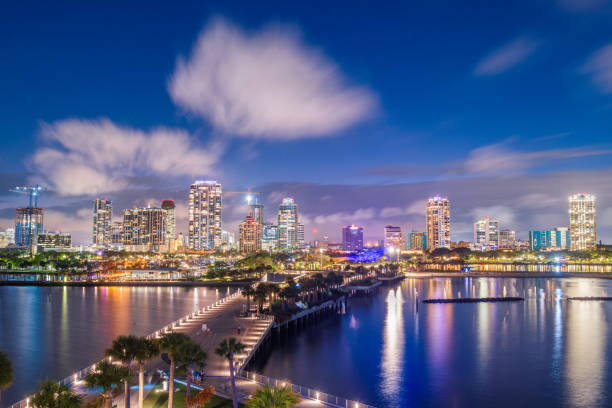
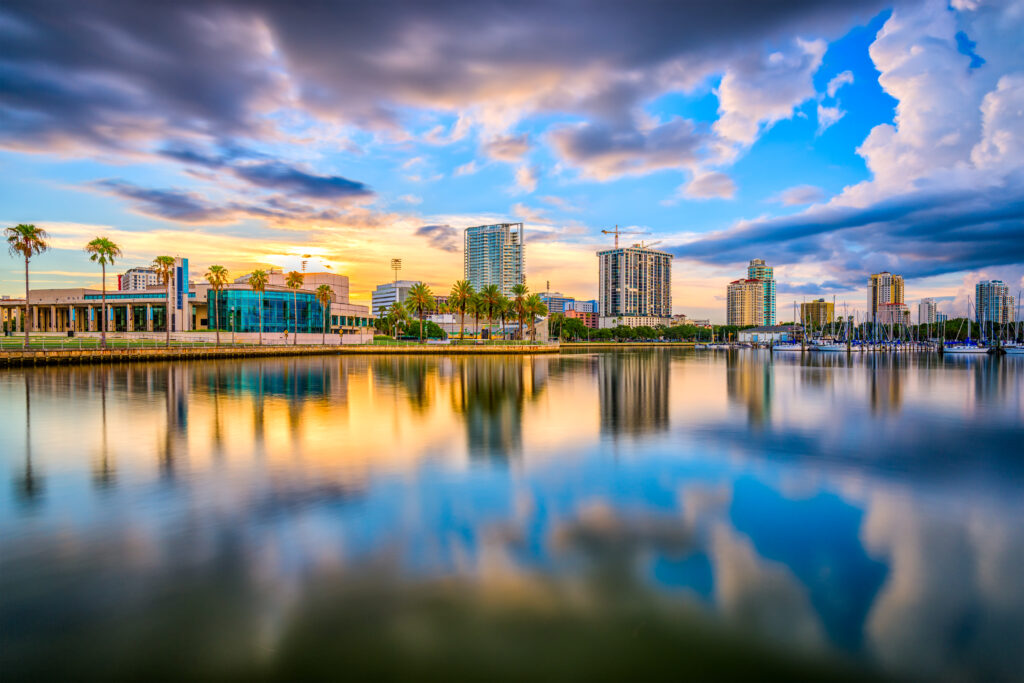
The Tampa Bay Area, including cities like Tampa, St. Petersburg, and Clearwater, is a vibrant metropolitan hub known for its growing job market, cultural attractions, and beautiful beaches. It offers a dynamic lifestyle with a mix of urban amenities and coastal charm. The area is experiencing significant growth, leading to new developments and a bustling real estate market. If you’re considering this area, it’s worth noting that communities like Riverview have specific considerations, as explored in Living in Riverview Florida — The CDD Fee Nobody Warns You About. Additionally, Brandon, a nearby community, offers a different appeal, which you can learn more about in The TRUTH About Living in Brandon Florida.
Southeast Florida: Miami & Ft. Lauderdale
Southeast Florida, encompassing Miami, Fort Lauderdale, Florida, and West Palm Beach, Florida, is a diverse, international hotspot. It’s known for its vibrant nightlife, Latin American influence, luxury real estate, and bustling economy driven by finance, trade, and tourism. This region offers a fast-paced, cosmopolitan lifestyle, often with a higher cost of living.
Northeast Florida: Jacksonville
Jacksonville is the largest city by land area in the contiguous U.S. and offers a more laid-back, Southern feel compared to the southern parts of the state. It boasts a strong military presence, a growing port, and a diverse economy. Jacksonville provides a good balance of urban amenities, affordable housing, and access to beaches and natural areas.
The Panhandle: “The Hamptons of the South”
The Florida Panhandle, often referred to as “The Hamptons of the South,” is famous for its stunning white-sand beaches and emerald waters, particularly in areas like Destin and Panama City Beach. This region offers a more relaxed, coastal lifestyle, popular with tourists and those seeking a quieter pace. It has a distinct Southern charm and is a popular destination for vacation homes.
Central Florida: Orlando & Theme Parks
Central Florida is synonymous with Orlando and its world-famous theme parks, including Walt Disney World and Universal Studios. While tourism is a major driver, Orlando also has a growing tech industry, healthcare sector, and a diverse population. It offers a family-friendly environment with endless entertainment options, but also considerable traffic and tourist crowds.
Southwest Florida: Naples, Florida & Ft. Myers
Southwest Florida, including Naples, Fort Myers, and Sarasota, is known for its beautiful Gulf Coast beaches, upscale communities, and a significant retiree population. It offers a relaxed, luxurious lifestyle with excellent golf courses, fine dining, and cultural attractions. The pace of life here is generally slower, appealing to those seeking tranquility and natural beauty.

Key Takeaways
- No State Income Tax: Florida offers a significant financial advantage with zero state income tax, which can lead to substantial annual savings compared to high-tax states, freeing up more disposable income for residents.
- High Home Insurance Costs: Homeowners in Florida face elevated and increasing insurance premiums due to hurricane risks, often requiring separate wind and flood policies, which can add hundreds of dollars to monthly housing expenses.
- Diverse Regional Lifestyles: The state’s geography offers vastly different experiences, from the urban vibrancy of Miami and Tampa to the relaxed coastal charm of the Panhandle and Southwest Florida, catering to a wide range of preferences.
- Property Tax Protections: The “Save Our Homes” cap limits annual increases in assessed property value to 3% or CPI (whichever is lower) for homesteaded properties, providing long-term tax stability for homeowners.
- Robust Job Market: Beyond tourism, Florida’s economy thrives with growing sectors in technology, healthcare, finance, and logistics, attracting new businesses and offering diverse career opportunities across its major cities.
Is Florida Right for You?
Florida might be right for you if you prioritize:
- No state income tax: A significant financial benefit that can boost your take-home pay.
- Warm weather year-round: Enjoying mild winters and abundant sunshine for outdoor activities.
- Diverse job opportunities: A growing economy in tech, healthcare, and finance beyond tourism.
- Vibrant outdoor lifestyle: Access to beaches, boating, golf, and natural parks.
- Property tax protections: The “Save Our Homes” cap offers long-term tax stability for homeowners.
Florida might not be the best fit if you prioritize:
- Low home insurance costs: Expect higher premiums due to hurricane risks.
- Minimal traffic congestion: Major metropolitan areas can experience significant delays.
- Extreme walkability: A car is generally essential for daily life outside specific urban centers.
- Avoiding hurricane season: Preparedness and potential disruptions are a part of life from June to November.
- A consistently cool climate: Summers are long, hot, and humid with frequent thunderstorms.
Frequently Asked Questions (FAQ)
Q: What is the true cost of living in Florida?
A: The true cost of living in Florida can be lower than many other states due to the absence of state income tax, but housing costs, particularly home insurance, have risen significantly, requiring careful budgeting for new residents.
Q: How does Florida home insurance work?
A: Florida home insurance typically requires two separate policies: a standard homeowners (HO3) policy for wind damage (often excluding floods) and a separate flood insurance policy, usually through the National Flood Insurance Program, due to the state’s unique hurricane risks.
Q: What are the pros and cons of Florida weather?
A: The pros of Florida weather include mild, sunny winters perfect for outdoor activities; the cons are hot, humid summers with frequent afternoon thunderstorms and the annual threat of hurricanes.
Q: What is the job market like in Florida?
A: Florida’s job market is robust and growing, driven by strong sectors in tourism, healthcare, finance, logistics, and a rapidly expanding technology industry, offering diverse opportunities across its major metropolitan areas.
Q: How do Florida property taxes compare?
A: Florida property taxes are based on assessed value, but the “Save Our Homes” cap limits annual increases to 3% or CPI for homesteaded properties, offering significant long-term savings compared to states without such protections, though new buyers pay taxes on current market value.
—
Watch the Full Video
For more insights, watch the complete video: Florida Explained
—
Making Your Move Easier
Moving forward does not have to be overwhelming. With the right guidance and support, you can navigate this journey smoothly. My team and I are ready to help you every step of the way, whether you’re thinking of buying or selling a home in Greater Tampa, Florida.
Here’s how to get in touch:
📧 Email: info@livingintampafl.com
📞 Phone: (727)677-5337
💻 YouTube: Living in Tampa FL