TL;DR
This video details a Tampa, Florida real estate agent’s personal ordeal after his home flooded twice in 13 months, incurring over $262,000 in personal costs and leading to a potential forced FEMA demolition under the 50% rule. He shares critical lessons for anyone buying property in Florida’s flood zones, emphasizing the hidden financial traps and the importance of due diligence.
—
After my house flooded twice in just 13 months here in Tampa, Florida, first from Hurricane Idalia and then Hurricane Helene, I faced a hard truth: one more flood could mean forced demolition by FEMA. My personal costs have soared past $262,000, revealing a stark reality about flood zone homeownership that every Florida buyer needs to understand.
As a licensed real estate agent in Tampa, Florida, I’ve guided countless clients through the complexities of the local market. However, nothing quite prepares you for experiencing the devastating financial and emotional toll of back-to-back natural disasters firsthand. My journey through rebuilds, insurance claims, and the looming threat of the FEMA 50% rule has provided invaluable, albeit painful, insights into the true cost of living in a high-risk flood zone.
In this comprehensive guide, I’ll break down the exact numbers behind my flood experiences, explain the critical FEMA 50% rule, and share my strategy for recovering equity. You’ll also get crucial advice on what to look for and what to avoid when considering a home in a flood zone, ensuring you don’t walk into the same situation.
The Double Whammy: My House Flooded Twice in Tampa
My home in Tampa, Florida, endured two significant floods within a 13-month period, creating a cascade of financial and logistical challenges that highlight the unpredictable nature of storm damage in coastal areas. The combined impact of Hurricane Idalia and Hurricane Helene left me facing over $214,000 in damage, forcing a complete re-evaluation of my property’s future.
Hurricane Idalia: The First Blow
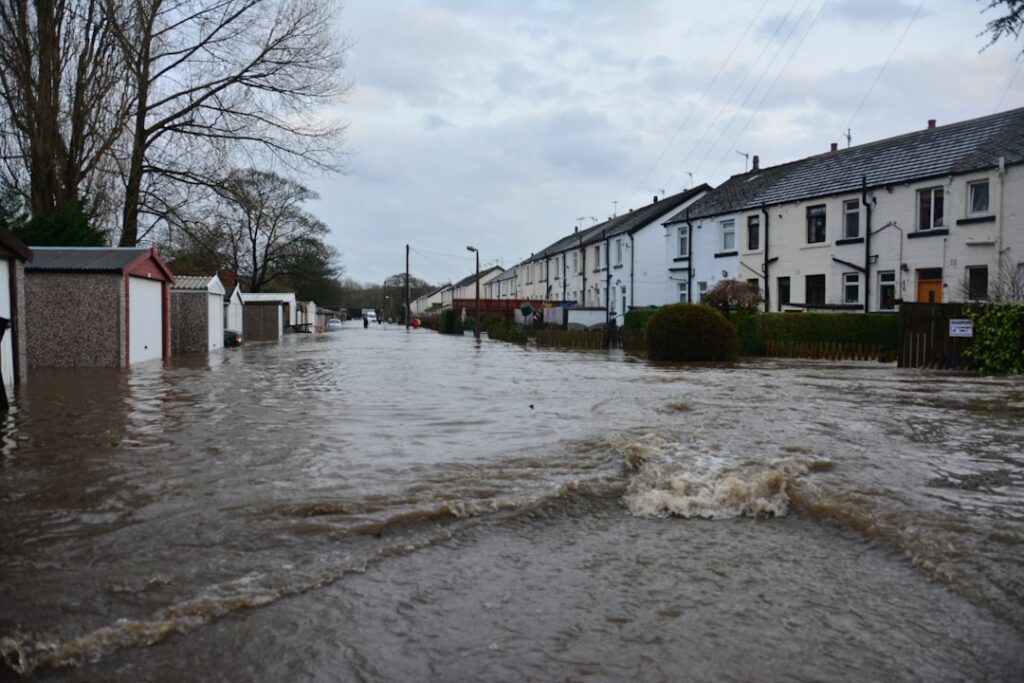
Hurricane Idalia struck just a week before I was set to close on my house, causing $101,000 in damage and setting off a chain of events that exposed the hidden complexities of flood recovery. This initial flood led to a total insurance payout of $194,000 across both events, but also revealed significant out-of-pocket expenses and delays.
My experience with Idalia was a crash course in the realities of flood damage. The initial rebuild was fraught with market challenges, including labor shortages and soaring material costs, which significantly extended the timeline and increased the financial burden. This period also introduced me to the hidden “cash flow trap” of insurance, where even with coverage, the immediate out-of-pocket costs and carry costs during renovation can quickly deplete savings. This is further explored in Living in Wesley Chapel vs Trinity Florida — Don’t Make This Mistake, where understanding market dynamics is crucial.
Hurricane Helene: 40 Inches of Water
Just 13 months after Idalia, Hurricane Helene brought another devastating blow, dumping 40 inches of water into my home and causing an additional $113,000 in damage. This second flood underscored the vulnerability of properties in certain flood zones and the escalating risks homeowners face.
The second flood was even more impactful than the first, not just in terms of damage, but in the psychological and financial strain it imposed. Comparing the numbers, Helene’s damage was slightly higher than Idalia’s, pushing the total damage to $214,000. This repeated devastation highlighted the urgent need for a long-term strategy, especially when considering the implications of rising insurance premiums.
The Staggering Costs: Over $262,000 in Personal Loss
The Staggering Costs: Over $262,000 in Personal Loss has a practical answer that depends on budget, location, and household needs. A useful reference point is $262,000. This means readers can compare the tradeoff quickly before deciding whether the details fit their situation.
Understanding the “Cash Flow Trap” of Insurance
The “cash flow trap” of insurance refers to the significant out-of-pocket expenses and ongoing costs that homeowners incur even when they have flood insurance coverage. While my insurance paid $194,000 for damages, I still had to cover $32,000 directly, plus $50,000 in carry costs like mortgage payments and temporary housing during the extensive 13-month rebuild period. This means that relying solely on insurance payouts can leave a substantial financial gap, requiring homeowners to have significant liquid assets or resort to credit to bridge the difference.
Rising Flood Insurance Premiums: A Growing Burden
Flood insurance premiums in Florida are experiencing significant increases, with my own policy jumping from $2,400 per year to $5,700 per year, reflecting a broader trend of escalating costs for homeowners in flood-prone areas. This surge in premiums is driven by factors such as increased frequency and severity of storms, updated flood maps, and the rising cost of repairs and rebuilding.
These rising costs are not just a personal burden but a statewide issue, making homeownership in Florida’s coastal regions increasingly expensive. The increases are expected to continue, with projections showing a steady upward trend from 2020 to 2026. This means that prospective buyers must factor in substantially higher insurance costs than what a seller’s old bill might indicate, as these premiums can drastically alter the affordability of a home. For insights on other financial aspects of Florida homeownership, consider Florida Homestead Exemption Explained — Portability, Save Our Homes & More.

FEMA Demolition: Explaining the 50% Rule
FEMA demolition can be triggered by the 50% rule, which states that if the cost to repair a substantially damaged structure equals or exceeds 50% of its market value before the damage, the structure must be brought into compliance with current flood plain management ordinances. This often means elevating the home or, in severe cases, demolition and rebuilding to higher standards.
This rule is a critical factor for older homes in flood zones, as their lower pre-damage market value makes them more susceptible to hitting the 50% threshold with even moderate damage. For me, after two floods, my home is now dangerously close to this limit, meaning that a third significant flood could force me to demolish and rebuild to current codes, or face a total loss.
Why One More Flood Could Mean Forced Demolition
One more significant flood could trigger the FEMA 50% rule for my Tampa home, leading to a forced demolition because the cumulative damage would likely exceed 50% of its pre-damage market value. This situation is particularly precarious for older homes, where the cost of repairs quickly surpasses half of the property’s value, leaving owners with limited options.
My property has already sustained $214,000 in damage across two events. If another flood occurs and the repair costs push the total past 50% of the home’s value, FEMA could mandate that the structure be demolished or substantially elevated. This isn’t just a financial decision; it’s a regulatory requirement designed to reduce future flood risks, but it can be devastating for homeowners who face losing their entire investment. This is a crucial consideration for anyone thinking about Moving to Tarpon Springs Florida — Is It Right For You, as coastal areas share similar risks.
Recovering Equity After a Flood: My Strategy
Recovering over $160,000 in lost equity after two floods requires a multi-pronged strategy focused on strategic improvements and careful market positioning. This involves making targeted upgrades that enhance flood resilience and appeal, alongside transparently communicating the home’s flood history to potential buyers. The goal is to rebuild value and trust.
I’m focusing on improvements that not only increase the home’s value but also mitigate future flood risks, making it a more attractive and safer investment. This includes exploring options for elevation or other flood-proofing measures, which can sometimes qualify for grants or reduced insurance premiums. The goal is to rebuild trust and value in a property that has faced significant challenges, ensuring that future owners are well-informed and protected.

Essential Advice for Buying a House in a Flood Zone in Florida
When buying a house in a flood zone in Florida, it’s crucial to conduct thorough due diligence beyond what a listing agent provides, focusing on accurate flood zone verification, understanding insurance coverage, and factoring in realistic long-term costs. My experience taught me that trusting listing information alone is a critical mistake.
Here’s what I recommend to every buyer to avoid the financial pitfalls I encountered:
- Check Your Flood Zone Independently: Never rely solely on the listing agent’s flood zone information. Use official FEMA flood maps and consult with an independent insurance agent to verify the exact flood zone classification for any property you’re considering in Tampa, Florida, or anywhere else in the state.
- Understand Flood Insurance Coverage: Familiarize yourself with what flood insurance actually covers and, more importantly, what it doesn’t. Standard flood policies typically cover the structure and contents but have specific limitations and deductibles. It’s essential to know the nuances before you need to file a claim.
- Know the FEMA 50% Rule: Understand what the FEMA 50% rule means for older homes, especially if you’re looking at properties in established flood zones. This rule can significantly impact your options and costs if your home sustains substantial damage, potentially forcing expensive elevations or even demolition.
- Factor Real Insurance Costs into Your Budget: Do not use the seller’s old insurance bill as a reference point. Obtain current flood insurance quotes for your specific situation and factor these real, often higher, costs into your monthly budget. Premiums can vary dramatically based on the home’s elevation, flood zone, and claims history, and they are rising rapidly.
Key Takeaways
- Double Flood Devastation: My Tampa home flooded twice in 13 months, incurring $214,000 in damage from Hurricanes Idalia and Helene, highlighting the increasing risk in Florida’s coastal areas.
- Staggering Personal Costs: Despite $194,000 in insurance payouts, my total personal cost exceeded $262,000, including $32,000 out-of-pocket, $50,000 in carry costs, and $160,000+ in lost equity, revealing the hidden “cash flow trap” of insurance.
- Rising Insurance Premiums: My flood insurance premiums more than doubled from $2,400 to $5,700 annually, a trend impacting all Florida homeowners in flood zones and demanding careful budget planning for buyers.
- The Looming FEMA 50% Rule: My home is now dangerously close to the FEMA 50% rule threshold, meaning one more significant flood could mandate costly elevation or forced demolition if repair costs exceed half of the home’s pre-damage value.
- Critical Buyer Due Diligence: Prospective buyers in Florida flood zones must independently verify flood zones, understand full insurance coverage, know the FEMA 50% rule, and budget for realistic, rising insurance costs, rather than relying on outdated information.
Frequently Asked Questions (FAQ)
Q: What is the FEMA 50% rule for flood damage?
A: The FEMA 50% rule, also known as the Substantial Damage rule, mandates that if the cost to repair a flood-damaged home equals or exceeds 50% of its market value before the damage occurred, the entire structure must be brought into compliance with current flood plain management ordinances, which often requires costly elevation or demolition and rebuilding.
Q: Can FEMA force you to demolish your house?
A: Yes, FEMA can effectively force you to demolish your house if it is deemed “substantially damaged” under the 50% rule and cannot be brought into compliance with current flood regulations through elevation or other mitigation measures. This is particularly true for older homes where repair costs quickly hit the 50% threshold.
Q: How do rising flood insurance premiums affect homeowners?
A: Rising flood insurance premiums significantly increase the cost of homeownership, making properties in flood zones less affordable and impacting overall property values. For example, my premiums jumped from $2,400 to $5,700 per year, which can strain budgets and deter potential buyers, leading to a decrease in market demand for affected homes.
Q: What are the risks of buying a house in a flood zone?
A: The primary risks of buying a house in a flood zone include potential for significant property damage from flooding, rapidly increasing flood insurance premiums, the financial burden of out-of-pocket repair costs, and the risk of forced elevation or demolition under the FEMA 50% rule. There’s also the emotional toll of repeated damage and rebuilding.
Q: How can I recover equity after a house flood?
A: Recovering equity after a house flood requires strategic investment in flood-resilient improvements, such as elevating the home or installing flood-proofing measures, which can enhance both value and safety. It also involves transparently addressing the home’s flood history and accurately pricing the property to attract informed buyers who understand the mitigated risks.
—
Watch the Full Video
For more insights, watch the complete video: My House Flooded Twice. Now FEMA Says It Could Be Demolished
—
Making Your Move Easier
Moving forward does not have to be overwhelming. With the right guidance and support, you can navigate this journey smoothly. My team and I are ready to help you every step of the way.
Here’s how to get in touch:
📧 Email: info@livingintampafl.com
📞 Phone: (727)677-5337
💻 YouTube: Living in Tampa FL