TL;DR
Florida lawmakers have approved a constitutional amendment that, if passed by voters, would significantly expand the homestead exemption on primary residences in Florida. This proposal aims to increase the non-school property tax exemption from the current $50,000 to $150,000 in 2027 and $250,000 in 2028. However, new Florida residents would need to establish five years of Florida residency to qualify for the increased exemption, making timing a crucial factor for those considering a move to areas like Tampa Bay.
—
If you’re considering a move to the vibrant Tampa Bay area, the prospect of lower property taxes likely weighs heavily on your decision-making. Recent developments in Florida’s legislature could bring welcome news to current and future homeowners, potentially offering a significant tax break on primary residences. Understanding these changes is key to planning your financial future in the Sunshine State.
Florida lawmakers have given the green light to a constitutional amendment that could dramatically alter the landscape of property tax exemptions. This measure, if approved by voters later this year, promises to expand the existing Florida homestead exemption, providing a larger shield for a portion of your home’s value from certain local property taxes. For anyone eyeing a home in communities like Palm Harbor (34683), Wesley Chapel (33543), Dunedin (34698), or Trinity (34655), this update is definitely worth tracking.
Understanding the Proposed Florida Homestead Exemption Expansion
The proposed Florida homestead exemption expansion aims to significantly reduce the taxable value of primary residences for non-school property taxes. The current $50,000 exemption would rise to $150,000 in 2027 and $250,000 in 2028. This means a substantial increase in the portion of your home’s value shielded from local property taxes.
Let’s break down what’s on the table. The current Florida homestead exemption allows homeowners to deduct $50,000 from their home’s assessed value when calculating non-school property taxes. The new constitutional amendment seeks to expand this, proposing a phased increase:
- 2027: The exemption for non-school property taxes would rise to $150,000.
- 2028: This exemption would further increase to $250,000.
This expansion means a larger chunk of your primary residence’s value would be immune to certain local property taxes, potentially lowering your overall tax bill. It’s important to note, however, that this expanded exemption specifically excludes school district taxes. The dollars that fund local schools, such as those in the Hillsborough County Public Schools (serving Tampa) or Pinellas County Schools (serving Dunedin and Palm Harbor), would remain protected and unaffected by this change.
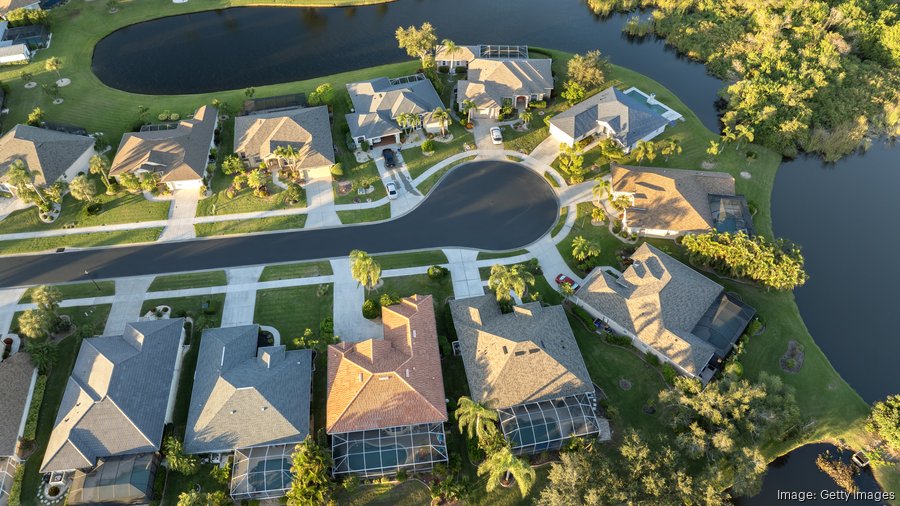
To illustrate the potential impact, consider a home assessed at $300,000. Under the current $50,000 homestead exemption, $250,000 of its value is subject to non-school property taxes. If the $250,000 exemption passes, only $50,000 of that same home’s value would be taxed, representing a significant reduction in your taxable base and, consequently, your property tax liability.
Current vs. Proposed Florida Homestead Exemption
To clarify the potential changes, here’s a comparison of the current homestead exemption with the proposed expansion:
| Feature | Current Homestead Exemption (Primary Residence) | Proposed Homestead Exemption (Primary Residence) |
|---|---|---|
| Exemption Amount | $50,000 | $150,000 (2027), $250,000 (2028) |
| Applicability | Non-school property taxes | Non-school property taxes |
| School District Taxes | Fully applicable | Fully applicable (not exempt) |
| Residency Requirement | Primary Florida residency | 5 years of Florida residency for increased amount |
| Effective Date | Currently active | Pending voter approval, starts 2027/2028 |
New Florida Homestead Exemption Rules: Residency Matters
New Florida homestead exemption rules introduce a crucial residency requirement for those relocating to the state. New residents after January 1, 2027, must establish five years of Florida residency to qualify for the increased exemption. This means timing your move could significantly affect your initial property tax savings.
This specific detail is vital for families and individuals considering a move to Florida, especially to popular areas like the Tampa Bay region. If you establish your primary Florida residency on or after January 1, 2027, you would initially qualify for the existing $50,000 homestead exemption. The expanded $150,000 or $250,000 exemption would only become available to you after five years of continuous Florida residency.
For example, a family relocating to Wesley Chapel (33543) in early 2027 would receive the standard $50,000 exemption for their first five years. Only upon reaching their fifth anniversary of Florida residency would they then become eligible for the larger exemption amounts (assuming the amendment passes). This staggered eligibility ensures that the most significant tax benefits are reserved for long-term Florida residents, a common approach for state-level tax incentives.

Understanding this residency clause is essential for financial planning. It highlights the importance of not only when you purchase a home but also when you officially establish your primary residence in Florida. Our team at Living in Tampa (serving Hillsborough and Pinellas Counties) frequently advises clients on how such timelines can affect their overall cost of living and property tax obligations.
When Will This Florida Property Tax Break Take Effect?
This Florida property tax break is not yet law, requiring voter approval in the upcoming November election. It needs 60% voter support to pass, with benefits only beginning in 2027 or 2028. This means nothing will change on your 2026 tax bill, contingent on the ballot initiative.
Florida lawmakers have indeed taken significant steps to put this measure before the public. According to legislative records (2024), the proposal passed the Florida Senate with a vote of 30-9 and the Florida House with a vote of 75-26. This strong bipartisan support indicates a clear intent to offer property tax relief to Florida homeowners. However, the ultimate decision rests with the state’s voters.
For the constitutional amendment to become law, it must garner at least 60% approval from voters in the November election. This supermajority requirement means that while the legislative hurdles have been cleared, there’s still a significant public consensus needed for the changes to take effect. If approved, the increased exemptions would then be phased in during 2027 and 2028.
This means homeowners in areas like Dunedin (34698) or Trinity (34655) should not expect any immediate changes to their property tax assessments. Your 2026 property tax bill will reflect the current homestead exemption rules. We will be closely monitoring the election results and providing updates as they become available.
Impact on Tampa Bay Homeowners and Moving to Florida Property Taxes
The proposed Florida homestead exemption expansion could significantly benefit Tampa Bay homeowners by reducing their non-school property tax burden. For a $400,000 home, moving from a $50,000 to a $250,000 exemption means $200,000 less taxable value. This means future residents must weigh the timing of their move against potential long-term tax savings.
Property taxes are a substantial part of the monthly financial equation for any homeowner, whether you’re in a single-family home in Palm Harbor (34683) or a new construction in Wesley Chapel (33543). The ability to shield a larger portion of your home’s value from taxation can translate into meaningful annual savings. For instance, if you have a home valued at $400,000, moving from a $50,000 exemption to a $250,000 exemption means $200,000 less of your home’s value is subject to non-school property taxes.
This proposed change could make the Tampa Bay real estate market even more attractive, especially for those looking to maximize their long-term financial benefits. While the initial years for new residents might still involve the standard exemption, the promise of a significantly larger homestead exemption after five years adds a compelling incentive for establishing permanent roots in Florida. This is particularly relevant given the sustained growth in property values across Hillsborough County and Pinellas County.

It’s important to remember that while the homestead exemption offers a significant tax break, other factors like millage rates (set by local taxing authorities) and property assessments still influence your overall property tax bill. Consulting with a local real estate expert who understands these nuances, particularly within specific communities like Palm Harbor (34683), Wesley Chapel (33543), Dunedin (34698), and Trinity (34655), can provide tailored insights into your potential property tax obligations.
Key Takeaways
- Proposed Exemption Increase: If approved by voters, the Florida homestead exemption for non-school property taxes would increase from $50,000 to $150,000 in 2027 and $250,000 in 2028, offering substantial tax relief for eligible homeowners.
- Residency Requirement: New Florida residents establishing primary residency after January 1, 2027, must maintain five years of Florida residency to qualify for the expanded $150,000 or $250,000 homestead exemption.
- Voter Approval Critical: The constitutional amendment requires a 60% voter approval in the November election to pass, meaning no changes to property tax bills will occur before 2027, and only if the measure is adopted by the public.
Frequently Asked Questions (FAQ)
Q: What is the proposed Florida homestead exemption increase?
A: The proposed Florida homestead exemption increase would raise the exemption for non-school property taxes from the current $50,000 to $150,000 in 2027 and $250,000 in 2028, if approved by voters. This aims to significantly reduce the taxable value of primary residences.
Q: When would the new Florida homestead exemption start?
A: The new Florida homestead exemption, if passed by voters, would start in 2027 with an increase to $150,000, followed by a further increase to $250,000 in 2028. No changes will apply to 2026 property tax bills.
Q: Does Florida homestead exemption cover school taxes?
A: No, the proposed Florida homestead exemption expansion specifically does not apply to school district taxes, ensuring that the funding for local schools remains protected. The exemption is solely for non-school related property taxes.
Q: What is the residency requirement for Florida homestead exemption?
A: For the increased Florida homestead exemption amounts, individuals moving to Florida after January 1, 2027, must maintain Florida residency for five consecutive years before they become eligible for the expanded $150,000 or $250,000 exemption. Until then, the standard $50,000 exemption applies.
Q: When will Florida voters decide on homestead exemption?
A: Florida voters will decide on the proposed homestead exemption constitutional amendment in the upcoming November election. The measure requires at least 60% of voter support to pass and become law.
Conclusion
The potential expansion of the Florida homestead exemption represents a significant development for homeowners and those considering a move to the Tampa Bay area. While the legislative process has moved forward, the ultimate decision rests with Florida voters in November. This proposed tax break could offer substantial long-term savings, but understanding the phased implementation and critical residency requirements is paramount for effective financial planning. We encourage you to stay informed as the election approaches and to consider how these changes might impact your homeownership journey in the Sunshine State.