TL;DR
A massive $2.3 billion project is underway in Tampa Bay, proposing a new stadium for the Rays and a surrounding mixed-use district, with a target opening in 2029. This significant private and public investment aims to create a vibrant urban hub, signaling a major boost for the region’s appeal to families.
—
Something big is happening in Tampa Bay — and if you’re thinking about relocating your family here, it’s worth paying close attention. This isn’t just about baseball; it’s about the future landscape of one of Florida’s most dynamic regions.
While the Tampa Bay Rays recently returned to Tropicana Field, the real buzz isn’t about their current home in St. Petersburg. Instead, it’s focused on a groundbreaking plan unfolding across the bay in Tampa, promising to reshape the metropolitan area for decades to come. What does this mean for you and your family?
The $2.3 Billion Vision: What’s Happening in Tampa Bay?
A new $2.3 billion stadium and mixed-use district is proposed for Tampa by the Rays ownership, aiming for a 2029 opening, representing a colossal investment in the region’s future.
The Tampa Bay Rays’ new ownership group is making a significant push to construct a state-of-the-art, brand-new stadium on Hillsborough College land in Tampa. This ambitious project comes with a hefty $2.3 billion price tag, and the target is to have it ready for Opening Day 2029. It’s a bold move, and the team has committed to covering a substantial portion of the cost.
Here’s a breakdown of the financial commitment:
- Team Contribution: The Rays ownership group has pledged to cover half of the $2.3 billion cost, which also includes future maintenance expenses and any potential cost overruns during construction. This demonstrates a strong commitment from the private sector.
- Public Contribution: The other half is where local residents and leaders come in. Hillsborough County is being asked to contribute $467 million from its half-cent Community Investment Tax. This sales tax, approved by voters in 2024, is slated to run through 2041.
This isn’t a done deal yet. The Hillsborough County Commission is expected to vote on the proposal around April 15, with the Tampa City Council scheduled to weigh in shortly after, around April 16. It’s an active civic debate, and local leaders are taking the decision very seriously, understanding the profound impact it could have.

More Than a Ballpark: The Live-Work-Play Revolution
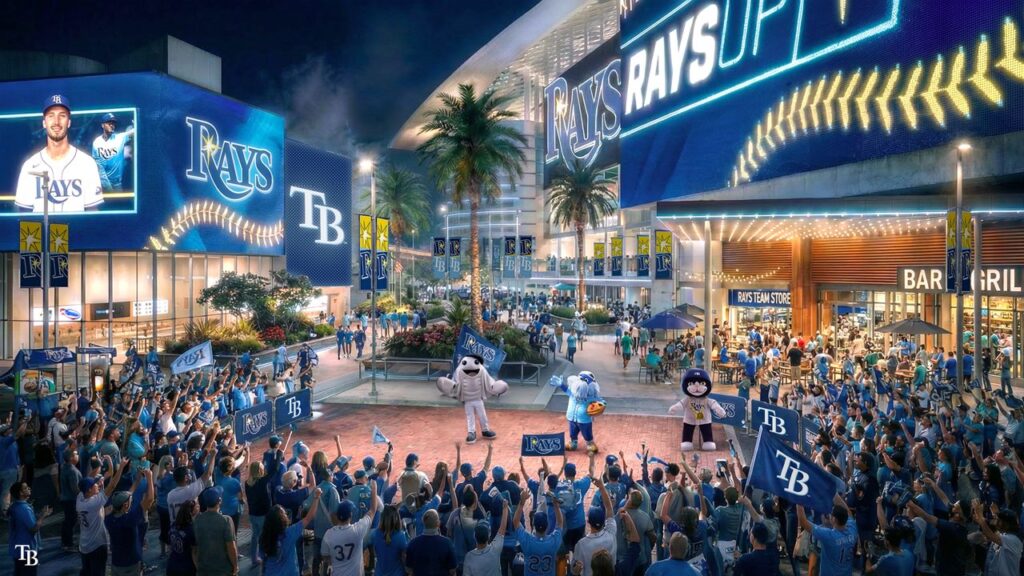
This project isn’t just a stadium; it’s a privately funded mixed-use development with hotels, restaurants, offices, and residences designed to create a vibrant urban hub at no additional cost to taxpayers.
What truly elevates this project beyond a typical sports development is the vision for what will surround the stadium. The Rays’ plan isn’t simply for a ballpark in a vast parking lot. Instead, it calls for a fully private, mixed-use district built directly around the new facility.
Think about what that entails:
- Hotels: Offering convenience for visitors and game-day attendees.
- Restaurants: A diverse array of dining options, creating a lively food scene.
- Offices: Bringing daily professional activity and a built-in daytime population.
- Residential: New housing options, fostering a true live-work-play environment.
This model is a far cry from traditional stadium developments. It aims to be a vibrant neighborhood anchor, bustling with activity seven days a week, not just on game days. A fantastic example of this successful model is what the Atlanta Braves built with The Battery in Cobb County, transforming the area into a thriving community destination.
Consider the fundamental differences between the old and new stadium models:
| Feature | Old Model (Traditional Stadium) | New Model (Proposed Tampa Mixed-Use District) |
|---|---|---|
| Surroundings | Often vast parking lots, limited amenities | Hotels, restaurants, offices, residential, green spaces |
| Funding (Ancillary Dev) | Often requires separate public investment | Privately funded, integrated with stadium development |
| Vibrancy | Primarily active on event days | Designed for daily activity, community hub, year-round |
| Taxpayer Impact | Can incur public costs for surrounding infrastructure | Private funding for mixed-use elements, reducing burden |

Why This Matters for Families Considering Tampa Bay
This significant investment signals Tampa Bay’s commitment to growth, offering enhanced amenities and a dynamic urban core that complements its strong suburban appeal, making it an even more attractive place for families.
For families considering a move to the Tampa Bay area, particularly to highly sought-after suburbs like Wesley Chapel, Land O’ Lakes, Trinity, or Westchase, this kind of investment speaks volumes. It’s a powerful signal that Tampa Bay is a region that plays to win, actively building for the future.
What does this mean for your family’s quality of life?
- Enhanced Amenities: Access to new dining, entertainment, and retail options in a vibrant, walkable district.
- Economic Growth: A major project like this typically brings job creation and boosts the local economy, contributing to a stable environment.
- Regional Identity: A state-of-the-art stadium and a bustling mixed-use area strengthen Tampa Bay’s identity as a premier metropolitan hub.
- Live-Work-Play Ecosystem: This development creates the kind of energy that makes a city genuinely exciting to call home, adding another layer to Tampa Bay’s already appealing lifestyle.
Connecting Suburbs to City Energy
You might be wondering how a downtown Tampa development impacts families living in suburban areas. The beauty of Tampa Bay is its connectivity. While you might enjoy the spacious homes, top-rated schools, and community feel of Wesley Chapel or Westchase, the new urban core will be easily accessible.
Imagine a weekend outing where you can catch a game, enjoy a delicious meal, and stroll through a lively district, all just a short drive from your quiet, family-friendly neighborhood. This project adds a dynamic urban element that complements, rather than competes with, the suburban lifestyle many families cherish.
Tampa Bay already boasts:
- Great Suburbs: Known for their family-friendly atmosphere, safety, and community events.
- Strong Schools: A wide array of highly-rated public and private educational institutions.
- Outdoor Lifestyle: Proximity to beautiful beaches, parks, and recreational opportunities.
Now, with this proposed development, the region is actively building the kind of live-work-play energy that rounds out a truly exciting and comprehensive place to raise a family.

Frequently Asked Questions (FAQ)
Q: What is the proposed timeline for the new stadium project?
A: The new stadium and mixed-use development are targeting an Opening Day in 2029. Key votes by the Hillsborough County Commission and Tampa City Council are expected around April 15th and 16th, respectively, which will determine the project’s progression.
Q: How will the $2.3 billion project be funded?
A: The funding is a public-private partnership. The Tampa Bay Rays ownership group has committed to covering half of the $2.3 billion cost, including future maintenance and cost overruns. The other half involves a request for $467 million from Hillsborough County’s half-cent Community Investment Tax, a sales tax approved by voters in 2024.
Q: What kind of mixed-use development is planned around the stadium?
A: The plan calls for a fully private mixed-use district surrounding the ballpark. This includes hotels, restaurants, offices, and residential spaces, designed to create a vibrant, active neighborhood that operates beyond just game days, similar to Atlanta’s The Battery.
Q: Will this project impact my property taxes in Hillsborough County?
A: The proposed county contribution comes from the existing half-cent Community Investment Tax, which is a sales tax, not a property tax. Therefore, the project should not directly impact your property tax bill. However, broader economic growth could indirectly influence property values over time.
Ready to Make Your Move?
The proposed $2.3 billion investment in Tampa Bay isn’t just a sports story; it’s a testament to the region’s forward momentum and commitment to creating an even more dynamic and appealing place to live. For families, this means not only a vibrant urban core but also continued growth and enhanced amenities that complement the excellent suburbs and strong schools Tampa Bay is already known for.
Are you curious about which neighborhoods put you closest to all this exciting action — without sacrificing the space, community, and schools your family needs? We understand the nuances of relocating to a thriving area like Tampa Bay.
Reply to this email, and let’s talk about finding the perfect place for your family in this evolving and exciting region. The Living in Tampa Team is here to help guide you through your options.