
TL;DR
Choosing between Tampa’s urban core and its surrounding suburbs involves weighing commute times, lifestyle vibe, walkability, and budget. While the urban core offers proximity to work and a vibrant atmosphere, suburban areas often provide more space, amenities, and different community feels for the same price point.
—
When exploring the diverse real estate landscape of Tampa, FL, one of the most crucial decisions my clients face is whether to embrace the bustling urban core or settle into the quieter, amenity-rich suburbs. Having helped numerous families find their ideal homes across Greater Tampa, I’ve observed that this choice fundamentally shapes their daily lives, from commute times to weekend activities. Understanding where you fall on the urban-to-suburban spectrum isn’t just about property; it’s about aligning your home with your lifestyle.
In my experience as a licensed Tampa real estate agent, I consistently guide buyers through the nuances of each area, from the historic charm of Hyde Park to the master-planned communities of Pasco County. The Tampa Bay market continues to evolve, with new developments and shifting dynamics making informed decisions more critical than ever. This guide is designed to clarify the distinct advantages and trade-offs of different Tampa regions, ensuring you make a choice that truly fits.
I’ll break down the various segments of the Tampa Bay area, from the densest city centers to the furthest out suburbs, examining factors like daily necessities, commute impact, lifestyle vibe, walkability, and, of course, price. My goal is to help you pinpoint the perfect spot to live, work, and play in this beautiful region. Let’s start by defining Tampa’s unique urban-to-suburban framework.
How is the Tampa Bay Area Defined on the Urban-to-Suburban Spectrum?
The Tampa Bay area offers a clear spectrum of living environments, ranging from dense urban centers to expansive outer suburbs. I categorize this framework into three main circles, radiating out from downtown Tampa. This isn’t to say one is inherently better, but rather to help you understand where different communities fall.
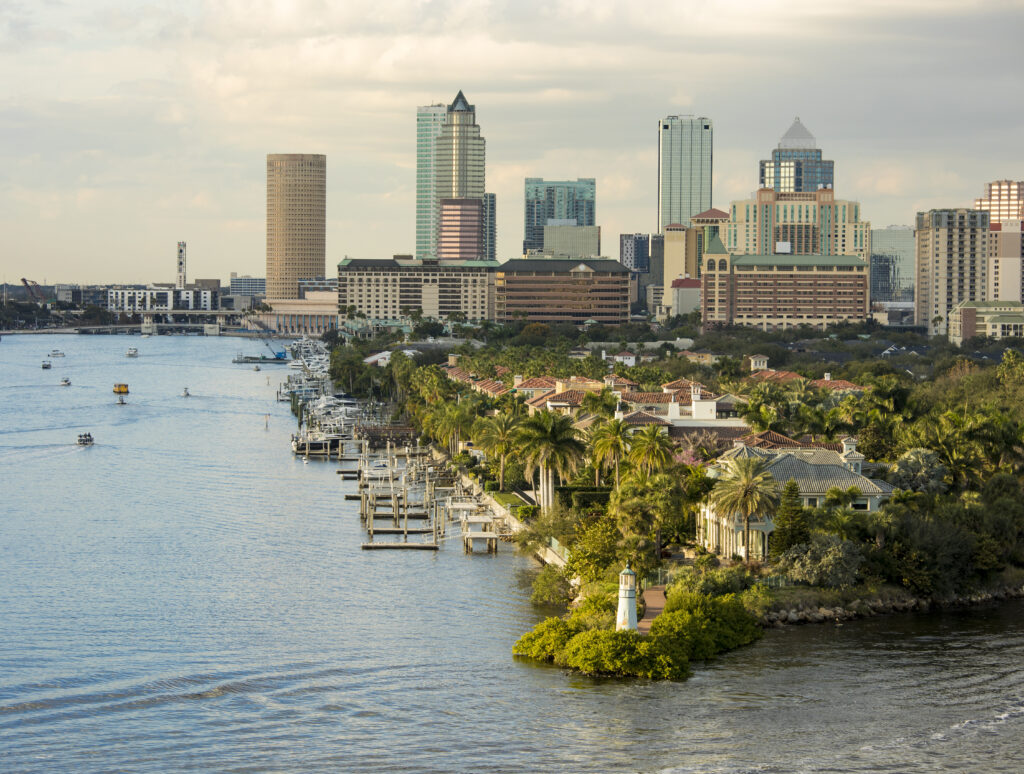
First, we have the urban core, which includes downtown Tampa and St. Petersburg. These areas are undeniably urban, characterized by high density, commercial activity, and a fast-paced environment. While they might have felt suburban in the 1920s, today they are far from it.
Moving slightly further out, we encounter the older, urban-suburban blend. These areas, like Carolwood, Westchase, Clearwater, Palm Harbor, and Largo, represent a middle ground. They offer a mix of established neighborhoods, some quieter spots, and increasing residential demand that brings amenities closer. You can learn more about specific neighborhoods in Westchase Tampa: Is It Worth the Price Tag?.
Finally, the outer suburbs form the widest circle. This includes areas like Parish on the southeast side, and Pasco County communities such as Wesley Chapel and Land O’ Lakes. These are typically newer developments, often master-planned, and are further removed from the central hustle. Driving is a significant factor across all these areas, influencing daily life and decisions.

What are the Differences in Daily Necessities & Commuting?
The accessibility of daily necessities and the reality of commuting are critical factors that differentiate urban and suburban living in Tampa. While essentials are generally close across the entire metro area, how you access them varies significantly.

In all areas, from the urban core to the outer suburbs, necessities like grocery stores and hardware shops are relatively nearby. As I often tell clients, “This is a big metro area. Nothing’s far away.” For instance, even where I live on an acre, Publix is just 5 minutes away, and Home Depot is 12 minutes.
However, suburbs are often better designed for quick access to these amenities. You might find a grocery store right at the entrance to your neighborhood, or a higher concentration of retail due to extensive residential demand. In the urban core, while amenities are plentiful, getting to them can take longer due to more stoplights, increased traffic, and a mix of commercial and commuter vehicles.
When it comes to commuting to work, the urban core of Tampa or St. Petersburg often provides an easier experience. There are more employers concentrated in these central areas, potentially leading to shorter drives or even alternative transportation options. As I explained to a client, if you live near Raymond James Stadium and commute to Fisher Investments by the airport, that’s roughly a 12-minute drive. Working hybrid three days a week, you’re looking at barely an hour of commuting for the entire week.
Conversely, living 45 minutes out, like some of my clients in Varosa or Lutz (known for great public schools), can mean spending 4.5 hours in the car each week for a hybrid schedule. That’s an extra 3.5 hours compared to an urban commute. This time spent in traffic is a significant consideration for many, as it directly impacts your daily life and personal time.
How Does Vibe and Lifestyle Differ Across the Spectrum?
The vibe and energy of a neighborhood are often the primary drivers behind my clients’ choices, whether they opt for the urban core or the quiet suburbs. It’s about finding an area that resonates with your desired lifestyle.
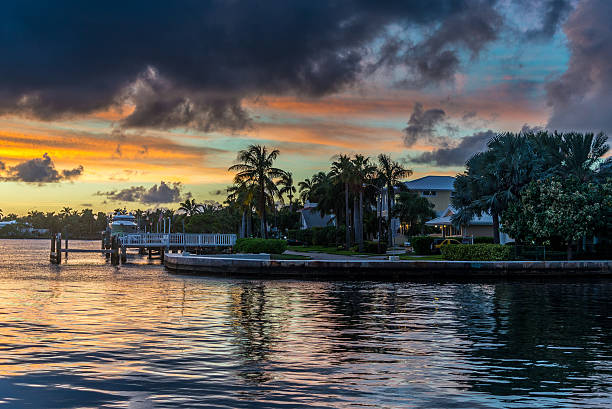
For clients drawn to the central core, especially areas like Hyde Park or Davis Island, it’s the palpable sense of movement and community that sells them. I’ve found that in these areas, “you see people out and about. You see people walking. You see people living their life and walking their dogs.” It’s a dynamic environment where daily interactions are common.
One client I’m currently working with, interested in a home near Raymond James Stadium, appreciates being super close to everything. This area, which some might consider urban-suburban, is an 8-minute walk to the stadium and a 12-minute walk to the proposed new Rays stadium district. This proximity offers a unique blend of potential and activity. The potential for development and increased vibrancy with the new stadium is a significant draw, as explored in What the Rays Stadium Move Means for Tampa Bay Real Estate in 2026 & Beyond.
On the other hand, suburban clients are equally sold on a specific vibe. This could be the manicured, gated feel of Wesley Chapel, the tropical ambiance of Countryside (east Clearwater), or the quiet, sleepy atmosphere of Palm Harbor with its excellent schools. Each area offers a distinct community feel, catering to different preferences for peace, privacy, or planned amenities.
What About Walkability and Price Points?
Walkability is often a key promise of urban living, but its reality can vary even within the urban core. Price, of course, is always a major factor in real estate decisions.
In suburbs, walkability isn’t typically expected as a primary feature; you anticipate driving to a destination before walking. However, suburbs often provide sidewalks and parks accessible from your home. The urban core, particularly central Tampa and Hyde Park, offers a higher promise of walkability. For example, the South Tampa/Hyde Park area boasts walkability scores in the 70s and 80s out of 100. Areas closer to the stadium might be in the 50-60 range. Interestingly, St. Petersburg generally has higher walkability scores at a lower price point than South Tampa.
Comparing Home Values Across the Spectrum (Approx. $600,000 Budget)
Let’s consider what a budget of around $600,000 can get you across different parts of the Tampa Bay area. This comparison highlights the significant trade-offs between location, space, and amenities.
| Area/Vibe | What $600,000 Gets You | Key Considerations The most important thing to remember is that you might not be able to do everything. While some clients want to live in the urban core, others want to live in the outer suburbs. You get to decide which one you want the most, and I can help you understand the trade-offs.
Key Takeaways
- Tampa’s Urban-to-Suburban Spectrum: The Tampa Bay area is segmented into a dense urban core (Downtown, St. Pete), older urban-suburban blends (Carolwood, Westchase, Clearwater), and outer suburbs (Wesley Chapel, Land O’ Lakes), each offering distinct living experiences.
- Commute Time is Critical: Living in the urban core can reduce weekly commute times significantly (e.g., 1 hour vs. 4.5 hours for a hybrid schedule), directly impacting personal time and daily quality of life.
- Vibe Dictates Choice: Whether it’s the walkability and vibrant street life of Hyde Park or the manicured, quiet feel of a gated suburban community, lifestyle preferences are often the ultimate decision-maker for clients.
- Walkability Varies: While urban areas promise walkability (Hyde Park scores 70s-80s), even central Tampa neighborhoods can have moderate scores (50-60), with St. Petersburg often offering better walkability at lower price points.
- Price vs. Space Trade-offs: A $600,000 budget yields vastly different property types across the spectrum: an apartment in Hyde Park, a new 3-bedroom home near Raymond James Stadium, or a larger 4-5 bedroom house with a pool in newer outer suburbs like Wesley Chapel, often with higher fixed monthly costs (HOA/CDD).
Should You Choose Tampa’s Urban Core or the Suburbs?
The decision between Tampa’s urban core and its surrounding suburbs largely depends on your lifestyle priorities and what you value most in a home and community.
The Urban Core might be right for you if you prioritize:
- Short commutes to major employers in Downtown Tampa or St. Petersburg.
- A vibrant, walkable lifestyle with constant activity and social interaction.
- Proximity to cultural attractions, dining, and entertainment venues.
- A more compact living space and potentially higher housing density.
The Suburbs might be better if you prioritize:
- More living space, larger lots, and amenities like private pools.
- A quieter, more private environment, often with a specific community feel (e.g., gated, tropical).
- Access to top-rated schools, often a primary draw for families.
- Better value for your budget in terms of square footage and property features, though potentially with longer commutes and higher fixed monthly costs in newer developments.
Frequently Asked Questions (FAQ)
Q: What are the primary differences in the cost of living between Tampa’s urban core and its outer suburbs?
A: While daily necessities are similarly priced, the most significant difference lies in housing costs and associated expenses. For a comparable budget, say $600,000, you’ll generally get significantly more square footage and amenities (like a pool or an extra bedroom) in the outer suburbs compared to the urban core. However, newer suburban communities, especially in areas like Wesley Chapel, often come with higher fixed monthly costs like HOAs and CDDs that you might not find in older, more central neighborhoods. It’s a trade-off between upfront property cost, size, and ongoing monthly fees.
Q: How does the proposed Rays stadium impact real estate in the urban core near Raymond James?
A: The proposed Rays stadium, along with its surrounding district development, is expected to significantly boost the potential and vibrancy of the area near Raymond James Stadium. This isn’t just about a stadium; it’s about creating a whole new activity hub. This kind of large-scale development typically draws more people, businesses, and amenities, which can lead to increased property values and demand in the immediate and surrounding neighborhoods. For those interested in this growth, I recommend watching Moving to Tampa 2026? You Need to Watch This First for a broader perspective on future changes.
Q: Are there any “in-between” areas that offer a balance of urban and suburban benefits in Tampa?
A: Absolutely. I often refer to these as the “urban-suburban blend.” Areas like Carolwood, Westchase, and even parts of Clearwater, Palm Harbor, and Largo fall into this category. These communities offer a more established feel than the furthest out suburbs, with amenities often built to serve existing residential populations, making them convenient. While not as densely urban as downtown, they provide a good balance of accessibility, community, and typically more space than the central core, without the extensive commutes of the outer rings.
Q: What should someone consider if they prioritize good schools but also want a vibrant community?
A: If good schools are a top priority, many of the older, urban-suburban blend areas or even some outer suburbs are excellent choices. Places like Palm Harbor are known for quiet neighborhoods and strong school districts. However, if you also desire a vibrant community feel, you might look at areas within the urban-suburban blend that have active town centers or strong local events. It often comes down to balancing the specific school ratings with the type of community life you envision. It’s a puzzle I love to help clients solve, understanding their unique anchors, whether it’s schools, proximity to work, or a certain vibe.
—
Watch the Full Video
For more insights, watch the complete video: urban core
—
Making Your Move Easier
Moving forward does not have to be overwhelming. With the right guidance and support, you can navigate this journey smoothly. My team and I are ready to help you every step of the way.
Here’s how to get in touch:
📧 Email: info@livingintampafl.com
📞 Phone: (727)677-5337
💻 YouTube: Living in Tampa FL