Moving to Tampa Florida comes with common questions about flood zones, rising insurance costs, and the evolving real estate market. We clarify that while flooding is avoidable, insurance requires careful navigation through brokers. The market is balancing, not crashing, and property tax changes are still distant. You’ll find Tampa diverse, not just New Yorkers, and most areas offer easy beach access.
—
When considering moving to Tampa Florida, we understand you have many questions, especially with the dynamic changes happening across the state. After helping people relocate to the Tampa area for the past five years—from across the state, country, and even the world—we’ve seen different markets and seasons, but certain concerns remain constant for those looking to make Tampa their home.
Our experience, backed by working with numerous clients, shows that understanding the local nuances is key to a smooth transition. The Tampa Bay area is incredibly diverse, from the vibrant cityscape to the tranquil beaches of St. Petersburg and Clearwater, and the growing communities of Wesley Chapel. We love exploring this region to provide you with the most honest, local perspective.
In this comprehensive guide, we’ll address the seven most common questions we receive about relocating to Tampa Bay in 2025. We’ll dive into everything from navigating flood zones and the real cost of homeowners insurance to the future of the real estate market and where the Tampa Bay Rays stadium might land. Let’s get started.
Is Tampa Really Flooding? Understanding Tampa Flood Zones
One of the top concerns for anyone considering moving to Tampa Florida is flooding, and specifically, how to avoid it. While it’s true that technically the entire state of Florida is in a flood zone (Flood Zone X), significant flooding is very avoidable. Flood Zone X is generally considered not to flood, with only rare exceptions during major storms, often near more extreme zones or large rivers.
We break down the main flood zones in Tampa Bay:
- Flood Zone X: The baseline, typically not requiring flood insurance. However, for homes in Flood Zone X500, some Citizens insurance policies might mandate it, which can be super annoying.
- Flood Zone AE: This zone indicates a higher risk, typically for areas below 15 feet above sea level. While we’ve lived in AE for years without issues, it’s crucial to understand the implications, especially during significant weather events.
- Flood Zone VE: These are coastal areas, representing the highest risk, often directly on the water.
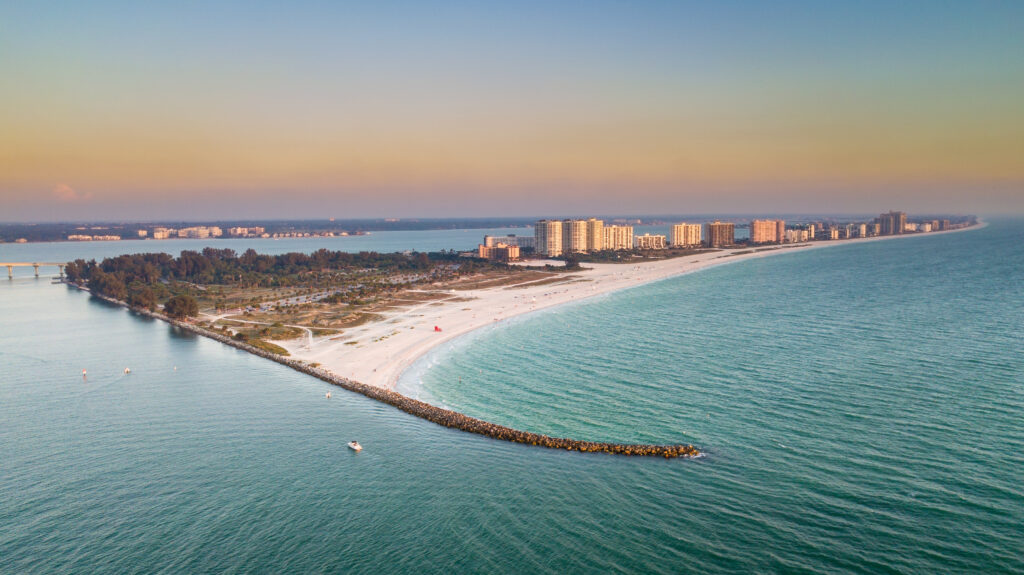
It’s remarkably easy to find properties outside of high-risk flood zones. Out of a thousand available houses that meet typical criteria, perhaps only about 100 (10%) would be in Flood Zone AE. Many desirable areas, even close to the beach like parts of Largo and Clearwater, feature bluffs (Harbor Bluffs, Bel Air Bluffs) that offer natural elevation. We recently covered some of these areas in Is Largo Florida Worth It? Honest Look at Beach-Area Living in Tampa Bay, which dives deeper into beach-area living.
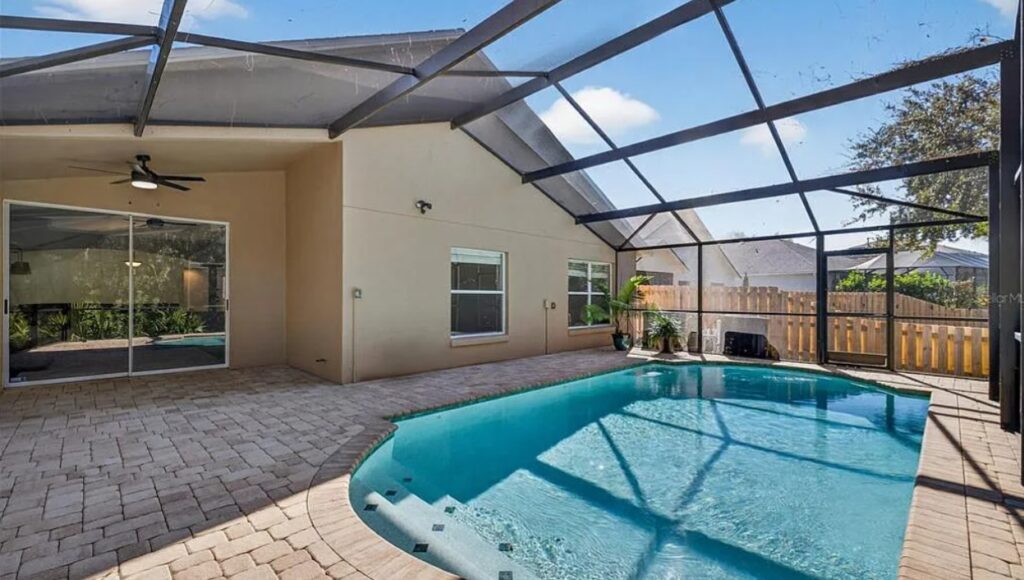
Beyond mandatory flood insurance, having voluntary flood insurance, even in a non-flood zone, can be valuable for drainage issues, not just storms. We experienced this firsthand with a drainage problem around our pool, where standard homeowners insurance wouldn’t cover it. Always be cautious about filing claims if you don’t have the right coverage, as denied claims can negatively impact your insurance score with certain carriers.
How Much is Homeowners Insurance in Tampa?
“Can I even get insurance?” is a question we’ve been asked countless times over the years. The answer is always yes, you can get insurance, but the real question is often about the cost. Homeowners insurance in Tampa can vary widely.
We recently worked with clients who purchased a half-million-dollar house in Palm Harbor, not in a flood or high-risk zone. Their insurance quotes ranged from $3,500 to $6,000 annually. They ultimately chose the $3,500 option, feeling confident given their low-risk location. Several factors influence insurance premiums:
- Home Age and Condition: Newer homes with updated roofs, plumbing, and electrical systems typically receive lower rates.
- Construction Type: Concrete block homes are often cheaper to insure than wood-frame.
- Wind Mitigation Features: Discounts are available for features like hurricane-rated windows, doors, and roof tie-downs.
- Zip Code: This has become a surprisingly significant factor. We’ve seen entire zip codes, even those not entirely in flood zones, experience premium hikes due to localized flooding in parts of that area.
Many major national carriers like State Farm have scaled back or left the Florida market due to its unpredictability. This means you’ll likely work with a broker who can connect you with smaller, independent carriers better equipped to navigate the local market. It’s rare to get homeowners insurance directly from the same company that handles your car insurance here.
Is the Tampa Real Estate Market Going to Crash? (Tampa Real Estate Market Forecast)
Many people moving to Tampa Florida are concerned about the real estate market, specifically whether it’s on the verge of a crash. While we don’t have a crystal ball, we can analyze the current trends. We’ve seen foreclosure numbers increase, and inventory is up, with prices softening slightly since their peak. However, these factors alone don’t signal a crash.
We’re currently experiencing what’s called the “lock-in effect.” Many homeowners have historically low interest rates from the 2021-2022 period and are reluctant to sell and take on a higher rate. Similarly, those who own their homes outright might not feel the urgency to sell if they can’t achieve the high prices seen a few years ago. This dynamic keeps inventory levels lower than they would typically be in a balanced market.
Currently, the Tampa market has about four and a half months of inventory, which indicates a shift towards a more balanced market. Buyers feel they have more negotiation power, while sellers, who remember bidding wars from 2021, often feel they’re compromising more than they’d like. This is where the market finds its middle ground.
While Tampa did make headlines for having the largest increase in foreclosures among U.S. metros recently, these numbers are still nowhere near record levels. We view this more as an opportunity for investors than a widespread problem, though it does link to broader economic and employment trends. For a deeper dive into market predictions, check out Tampa 2026 Real Estate Outlook, New in St Pete, Insurance Going Down?.
Will Florida Eliminate Property Taxes? (Property Tax Florida Homeowners)
The idea of property tax elimination for Florida homeowners is a hot topic, championed by Governor DeSantis. While it’s certainly a conversation, and an interesting experiment to consider, it’s not happening overnight. The proposal involves significant restructuring:
- Property tax would be eliminated for homesteaded Floridians (primary residences).
- Property tax on investment properties would remain.
- Taxes on businesses would likely increase to offset the lost revenue.
Many homeowners, especially those who own their homes outright, find the annual property tax bill a peculiar concept. As we often hear, “I own my house outright, but I still have to pay this giant tax bill every single year that I don’t feel like I should have to.” While property taxes fund local county, city, and state services, the conversation around their structure is a fascinating one for many states to observe.
Is Tampa Full of New Yorkers?
We get asked this question a lot, especially with recent law changes in New York City. The simple answer is no, Tampa is not “full of New Yorkers” to the extent you might feel it in other parts of South Florida. While many people moving to Tampa Florida are from somewhere else, including New York, the influx is incredibly diverse.
We see a significant number of people relocating from Chicago, Michigan, and Ohio, alongside New Yorkers and Californians. The Tampa Bay area has experienced immense growth over the past few decades, making it rare to meet someone who was born and raised here. However, we do know these families exist! Our own family, for example, has 50+ people who were all born and raised right here in the area, gathering for Thanksgiving without anyone needing to travel. This is truly an anomaly for most residents.
Where is the Rays Stadium Going?
This is a fun one for sports fans! It seems almost certain that the Tampa Bay Rays will not remain at Tropicana Field in St. Petersburg, especially after the city rejected a recent development plan for the historic Gas Plant District. However, the good news is that it’s highly likely the stadium will stay within the Tampa Bay area.
The Rays’ recent acquisition by a major developer, who also owns Dreamfinder Homes out of Jacksonville, reinforces this. The owner has consistently expressed intent to keep the team local. Several key sites are being speculated for the new stadium:
- Hillsborough Community College Campus: A large 100-acre site near Raymond James Stadium, offering ample space.
- North Seminal Heights: A couple of spots in this area, potentially utilizing old racetracks, trade schools, or mall sites, which we think would be really cool.
- Ybor City (Near the Port): While many advocated for this prime waterfront real estate, it would significantly limit other mixed-use developments planned for Ybor City. Also, the view of the port, with industrial ships and containers, isn’t always the most scenic, as joked about with the new Ferris wheel, the “Wheel over Water” downtown.
How Can I Live 1 Hour from the Beach and Save Money?
This is a conversation starter with almost every new client: “How close do you want to be to the beach?” and the common response is, “If I could be within an hour, that would be great!” We love answering this because it’s incredibly easy to achieve when moving to Tampa Florida.
Very few areas in the broader Tampa Bay region are more than an hour from a beautiful beach. While heavy traffic on a Saturday morning or holiday might extend that, on most days, an hour’s drive to the coast is very reasonable. This includes a wide range of beach options, from Fred Howard Park in Tarpon Springs all the way down to Siesta Key.
The exceptions are a few pockets further east, like Fish Hawk (east of Riverview) or San Antonio (north of Wesley Chapel), where your drive might stretch a bit longer. But for most residents, living an hour from the beach is entirely feasible, allowing for convenient day trips to enjoy the Gulf Coast’s stunning shores. We used to live just eight minutes from the beach and would often go just to watch the sunset when the weather was perfect.

Key Takeaways
- Flooding is Avoidable: While all of Florida is technically a flood zone, high-risk areas (AE, VE) are easy to identify and avoid, with many properties in safer zones like X and X500. For instance, only about 10% of available homes might be in an AE zone.
- Home Insurance is Obtainable but Varies: Expect quotes from $3,500 to $6,000 for a $500,000 home not in a flood zone. Zip code is a surprisingly critical factor, and you’ll likely work with independent brokers for coverage.
- Tampa’s Real Estate Market is Balancing, Not Crashing: The market has about 4.5 months of inventory, indicating a shift from a strong seller’s market to a more balanced one. Prices are similar to Q4 2022, and while foreclosures are up, they’re not at record levels.
- Property Tax Elimination is a Distant Proposal: Governor DeSantis’s plan to eliminate property taxes for homesteaded Floridians is a complex, long-term discussion, not an immediate change, and would involve increased taxes on investment properties and businesses.
- Beach Access is Excellent: Most areas in the Tampa Bay region are within an hour’s drive of a beach, making regular visits very feasible, with only a few far-eastern exceptions.
Frequently Asked Questions (FAQ)
Q: How can I avoid flooding when moving to Tampa?
A: Avoiding significant flooding in Tampa is quite straightforward. We recommend focusing on properties in Flood Zone X or X500, which are typically not prone to flooding. You can also look for naturally elevated areas, like the “bluffs” in parts of Largo and Clearwater, even near the coast. Always check the specific flood zone designation for any property you’re considering.
Q: Is it hard to get home insurance in Tampa, Florida?
A: It’s not hard to get home insurance, but it requires navigating the market differently than in some other states. Many large national carriers have left Florida, so you’ll typically work with an independent insurance broker. They can access quotes from smaller, specialized carriers that are more active in the state. Be prepared for premiums that might be higher than you expect, ranging from $3,500 to $6,000 annually for a $500,000 home.
Q: What is the current state of the Tampa real estate market?
A: The Tampa real estate market is currently shifting towards a more balanced state. We’re seeing about four and a half months of inventory, giving buyers more room for negotiation compared to the frenzied market of 2021. Prices have stabilized to roughly where they were in Q4 of 2022. While foreclosure rates have increased, they remain below historic highs, suggesting opportunities for some buyers and investors rather than a widespread market crash.
Q: Will property taxes be eliminated for Florida homeowners?
A: While Governor DeSantis has proposed the elimination of property taxes for homesteaded Florida homeowners, this is a long-term conversation and not an immediate change. The proposal involves significant shifts, such as retaining property taxes on investment properties and increasing taxes on businesses to offset the revenue. It’s an interesting concept, but not something buyers should expect to impact their immediate tax obligations.
Q: Are there many foreclosures in the Tampa metro area?
A: Tampa recently saw the largest increase in foreclosures among U.S. metros. However, it’s important to put this into context: the numbers are still nowhere near record levels. While this trend is worth monitoring and can present opportunities for investors, it doesn’t indicate a crisis-level problem for the overall housing market. We’re always tracking these numbers to understand their impact.
—
Watch the Full Video
For more insights, watch the complete video: The Truth About Moving to Tampa Florida
—
Making Your Move Easier
Moving forward does not have to be overwhelming. With the right guidance and support, you can navigate this journey smoothly. We are ready to help you every step of the way.
Here’s how to get in touch:
📧 Email: info@livingintampafl.com
📞 Phone: (727) 677-5337
💻 YouTube: Living in Tampa FL