TL;DR
Moving to Tampa, Florida, offers compelling advantages like no state income tax, fantastic weather with abundant sunshine, a diverse job market, and relatively affordable home prices supported by ongoing infrastructure growth. However, it also comes with notable challenges including higher insurance costs (homeowners often $3,000-$5,000 annually), significant hurricane risks, long periods of intense heat and humidity, predictable but heavy traffic during peak hours, and the complexities of navigating flood zones.
—
After helping countless individuals and families considering a move to Florida, I’ve noticed a common thread: everyone thinks they know what to expect from Tampa, but often they don’t have the full picture. My goal is to provide a candid look at the Tampa Pros and Cons that most people won’t tell you, ensuring you’re well-informed before making a big decision.
In my experience assisting clients relocating from high-tax states like Colorado, I’ve found that while the allure of tropical weather and diverse opportunities is strong, understanding the nuances of local factors like insurance and climate is crucial. The Tampa Bay area, including St. Petersburg, offers a vibrant lifestyle, but it’s essential to balance the dream with the reality of living here year-round.
In this comprehensive guide, I’ll break down the top five pros and five cons of living in Tampa, based on real-world experiences and local insights. We’ll explore everything from financial benefits like no state income tax to environmental challenges like hurricane risks and the humid summers. Let’s dive into what makes Tampa a unique place to call home.
What Are the Key Advantages of Living in Tampa, FL?
Living in Tampa offers significant benefits, ranging from financial relief to an enviable lifestyle and a robust economy that continues to attract new residents.
1. No State Income Tax
One of the most appealing financial advantages of living in Tampa, and Florida in general, is the absence of state income tax. This can translate into substantial savings, especially for those relocating from states with high income tax rates.
While property taxes in Florida might be a bit higher than in some other states, for many, the trade-off is still a net positive. If you’re coming from a state with both high income and high property taxes, you’ll likely feel a significant difference in your take-home pay here. However, if you’re from a state with low property taxes, the financial impact might feel more like a rebalancing of your tax obligations.
2. Unbeatable Weather & Outdoor Lifestyle
The weather is arguably the main reason people consider moving to Tampa. We enjoy warm temperatures for most of the year, boasting an impressive 233 average days of sunshine annually – a record held by nearby St. Petersburg, Florida. This consistent warmth and sunshine pave the way for a truly outdoor-centric lifestyle.

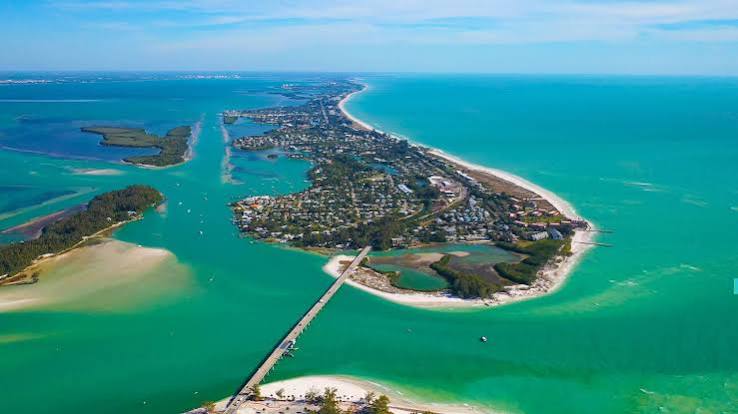
The region is dotted with beautiful beaches, offers extensive waterfront access to the Gulf of Mexico, and features numerous lakes. This means year-round opportunities for boating, fishing, paddleboarding, or simply relaxing by the water. While the peak summer months can be challenging for intense outdoor activities due to heat, the cooler seasons are perfect for exploring everything the area has to offer.
3. A Diverse and Growing Job Market
Tampa’s job market is robust and remarkably diverse, which is a major pro. Unlike many cities that rely heavily on one or two dominant industries, Tampa benefits from growth across multiple sectors. We don’t have a single “big player” dictating the economy, which actually makes the market more stable and resilient.
Key industries experiencing continuous growth include tech, finance, military, healthcare, and aerospace. This diversity ensures a wide array of opportunities and prevents the economy from being overly dependent on tourism or manufacturing alone. If you’re exploring different areas in Florida, you might also be interested in Dunedin Florida Pros and Cons — Is It Worth Living Here in 2026? for another perspective on Gulf Coast living.
4. More Affordable Home Prices
Despite the significant appreciation seen across the country in recent years, home prices in Tampa have largely remained around the national average. This makes Tampa considerably more affordable than other popular Florida destinations like Miami or Naples.
One of the reasons for this affordability is the incredible diversity in housing options. You can find waterfront properties, homes in master-planned communities, urban apartments downtown, or even rural areas with no HOA and expansive yards. This variety caters to different budgets and lifestyles, ensuring there’s something for almost everyone. To understand which areas might suit you best, I recommend watching Tampa Neighborhoods: Which One Is Actually Right for You?.
5. Significant Community & Infrastructure Growth
Tampa is a city on the rise, actively investing in its future through substantial infrastructure improvements. This demonstrates that the area hasn’t peaked; rather, it’s continuing to develop and grow to meet the needs of its expanding population.
Major projects include expansions of I-275 and the US-60 interchange, which are crucial for managing traffic flow. Beyond roads, the city is also investing in quality-of-life enhancements like the Riverwalk expansion and the addition of bike lanes to many roads. These developments indicate a forward-thinking approach, suggesting that Tampa will eventually merge into a larger metro area encompassing neighboring towns like Lakeland and Sarasota.
What Are the Challenges of Living in Tampa, FL?
While Tampa has many attractive qualities, it’s important to be aware of the potential drawbacks, which often surprise newcomers.
1. The Reality of Insurance Costs
Insurance, particularly homeowners and car insurance, can be a significant factor when moving to Tampa. While online figures for car insurance often suggest averages around $4,000 a year, in my experience, this is usually an overestimation for most single-car owners. Only a handful of specific zip codes, particularly those requiring frequent use of major highways, might see such high rates.
Homeowners insurance, however, is a different story. The market has been somewhat unpredictable, with carriers leaving and returning to the state. Policies are becoming more complex, with wind mitigation reports, for example, growing longer and making it harder to secure discounts. The average homeowners insurance in the Tampa area typically ranges between $3,000 to $5,000 per year. While being in a flood zone will increase this, effective mitigation can still reduce costs. I recently worked with a client whose initial quote for a waterfront property was $17,000, which we managed to bring down to $9,000 by leveraging a wind mitigation report and strategic planning.
2. Understanding Hurricane Risk
Tampa Bay is statistically one of the most hurricane-risk-prone metros in the country. Hurricanes bring a triple threat: storm surge, heavy rain, and powerful winds. These can lead to flooding, widespread power outages, and damage from falling debris to homes and cars.
It’s crucial to understand that while homeowners insurance typically covers hurricane damage, it doesn’t always cover flood damage, which requires a separate policy. The most common immediate impact is losing power, which can be a major inconvenience. Wind damage is also unique; it can cause rain to go sideways, potentially forcing water into eaves and attics, wetting insulation, and causing issues that traditional rain doesn’t. After a storm, you’ll also encounter numerous roofing “storm-chasers” making unsolicited offers for repairs.
3. The Long, Hot, and Humid Summers
If you’re moving to a tropical area, you expect heat, but the intensity and duration of Tampa’s summer can still be surprising. From June to November, the weather is consistently hot and humid. This period also coincides with storm and hurricane season, adding to the general discomfort.
It’s not just the daytime highs; the humidity lingers, and even at 9:30 PM, temperatures can still be in the 90s. Many newcomers find October and November particularly challenging, as they still feel very much like summer months, extending the period of intense heat longer than expected.
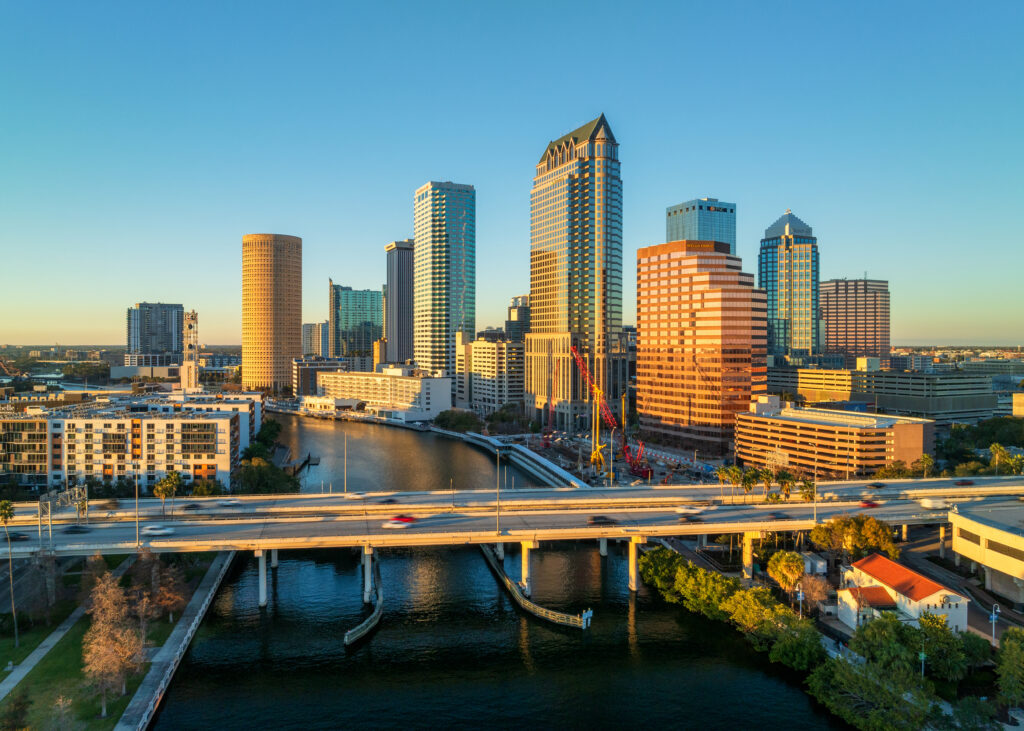
4. Navigating Tampa’s Traffic
Traffic is a common complaint in many growing cities, and Tampa is no exception. While many people moving here come from areas with objectively worse traffic and more expensive toll roads, Tampa’s congestion can still be frustrating. It’s often predictable in its slowness, especially during peak commute times (work and school hours), when speeds can slow by 50-60% during peak times.
Major pinch points include I-275 through St. Petersburg and complex interchanges like US-60 onto I-275, particularly when trying to navigate north or south. These areas can become parking lots, requiring patience and strategic planning for commutes. However, I’ve found that with a little local knowledge, you can often find alternative routes or adjust your schedule to minimize frustration.
5. The Complexities of Flood Zones
Understanding flood zones in Tampa is crucial, as they are dynamic and can change over time. A property currently in Flood Zone X (minimal risk) could be remapped to a higher-risk zone like AE. It’s not just about the official designation; even houses outside official flood zones can experience flooding due to poorly built stormwater systems, ongoing road construction, or unmaintained wetlands behind properties. This is further explored in People Leaving Tampa, South Tampa Flooding, and Rays Stadium Vote, which covers aspects like South Tampa flooding.
While being in a flood zone generally means higher insurance, the cost isn’t always prohibitive if FEMA perceives the risk as lower. I’ve worked with many clients who live in flood zones; some have never had issues, while others have. Areas like Largo, just south of Clearwater in Pinellas County, are good examples of places with surprisingly high elevations (around 15 feet in some spots), offering less flood risk despite the coastal proximity. Digging into specific flood zone details with our team and trusted insurance brokers is always a smart step.
Tampa Pros and Cons at a Glance
To help summarize, here’s a quick comparison of the key advantages and disadvantages of living in Tampa, Florida:

| Category | Pros | Cons |
|---|---|---|
| Financial | No state income tax, more affordable home prices than other FL cities | Higher homeowners and car insurance costs, unpredictable insurance market |
| Lifestyle | 233 average days of sunshine, year-round outdoor activities, diverse housing options | Long, hot, and humid summers (June-November), significant hurricane risk |
| Economy & Growth | Diverse job market (tech, finance, healthcare), ongoing infrastructure investment, community growth | Traffic congestion during peak hours, complexities of flood zones affecting property and insurance |
Key Takeaways
- Tax Advantage: Florida’s lack of state income tax offers significant financial benefits, though it’s often balanced by relatively higher property taxes compared to some other states.
- Sunshine & Outdoors: Tampa boasts 233 average days of sunshine per year, supporting a vibrant outdoor lifestyle with beaches, Gulf access, and numerous lakes, making it a prime destination for those seeking warm weather.
- Economic Diversity: The job market is robust and diversified across tech, finance, military, healthcare, and aerospace, providing stability and varied opportunities rather than reliance on a single industry.
- Housing Value: Home prices in Tampa remain around the national average, making it more affordable than many other major Florida cities, with a wide range of housing types from waterfront to rural.
- Climate Challenges: Residents must contend with a long, intense period of heat and humidity from June to November, alongside inherent hurricane risks that necessitate careful insurance planning and preparedness for potential power outages and flooding.
Should You Move to Tampa, FL?
Deciding whether Tampa is the right fit for you depends largely on what you prioritize in a place to live. Here’s a breakdown to help you decide:
Tampa might be right for you if you prioritize:
- Significant financial savings from no state income tax.
- A consistently warm, sunny climate that supports a year-round outdoor lifestyle.
- A diverse and growing job market with opportunities across various sectors.
- Relatively affordable home prices compared to other major Florida cities.
- Living in a dynamic area with ongoing infrastructure improvements and community growth.
Tampa might be better if you’re prepared for:
- Higher-than-average homeowners insurance costs, potentially $3,000 to $5,000 per year, and dealing with an unpredictable insurance market.
- The inherent risks associated with hurricane season, including potential power outages, flooding, and property damage.
- Experiencing long stretches of intense heat and humidity, particularly from June through November.
- Navigating predictable traffic congestion, which can slow commutes by 50-60% during peak times.
- Understanding and managing the complexities of flood zones and their impact on property and insurance.
Frequently Asked Questions (FAQ)
Q: How does Tampa’s cost of living compare to other major U.S. cities?
A: While home prices in Tampa are generally more affordable than in cities like Miami or Naples, the overall cost of living can be influenced by higher insurance rates and, for some, increased utility costs during the long, hot summers. However, the absence of state income tax can offset some of these expenses, making it a balanced financial picture for many. It’s important to factor in specific housing, transportation, and insurance costs for your individual situation.
Q: What are the best months to experience Tampa’s outdoor lifestyle?
A: The best months for outdoor activities in Tampa are typically from December through May. During this period, the temperatures are milder, and the humidity is lower, making it ideal for enjoying the beaches, parks, and other outdoor attractions without the intense heat and humidity of the summer and early fall months. Even during the hotter periods, early mornings and evenings can still offer comfortable outdoor time.
Q: How reliable is Tampa’s infrastructure in handling storms and traffic?
A: Tampa is actively investing heavily in its infrastructure, with projects like the I-275 expansion and US-60 interchange redesign specifically targeting traffic flow. For storm water management, significant efforts are also underway. While no system is foolproof against severe hurricanes, these ongoing investments demonstrate a commitment to improving resilience and efficiency for residents. However, as noted, traffic can still be a challenge during peak hours, and flood zones require careful consideration.
Q: Is it difficult to get homeowner’s insurance in Tampa now that carriers have left the state?
A: While there has been some volatility with insurance carriers leaving Florida, many are now returning. It’s true that securing homeowners insurance can be more complex, with stricter requirements and higher premiums, particularly if your home is older or in a higher-risk area. However, it’s not impossible, and working with experienced local agents and leveraging reports like wind mitigation can significantly help in finding coverage and potentially reducing costs. My team and I often connect clients with trusted insurance brokers who understand the local market nuances.
—
Watch the Full Video
For more insights, watch the complete video: Tampa Pros and Cons
—
Making Your Move Easier
Moving forward does not have to be overwhelming. With the right guidance and support, you can navigate this journey smoothly. info is ready to help you every step of the way.
Here’s how to get in touch:
📧 Email: info@livingintampafl.com
📞 Phone: (727)677-5337
💻 YouTube: Living in Tampa FL