
TL;DR
Tampa Florida home insurance is finally seeing significant positive changes, with 83 carriers filing for rate cuts or flat renewals, and Citizens Property Insurance reducing rates by 8.7%. This shift is driven by tort reform, the end of the FIGA assessment, and a quiet hurricane season, making it crucial for buyers and current homeowners to understand how to find an insurance-friendly home.
—
After helping numerous families relocate to Tampa Bay over the past decade, I’ve learned that understanding the local insurance landscape is absolutely critical, and for the first time in years, there’s genuinely good news. The Tampa Florida home insurance market, which has been a source of constant frustration with escalating costs, is finally seeing a significant shift. We’re witnessing 83 insurance carriers filing for rate cuts or zero increases, a monumental change that directly impacts your wallet.
In my experience as a licensed real estate agent in the Tampa area, navigating Florida’s unique insurance market has always been complex, often relying on brokers rather than direct major carriers. This year, however, marks a pivotal moment: Citizens Property Insurance, the state’s insurer of last resort, is cutting rates by an average of 8.7%—their first meaningful decrease since 2015—and their policy count has plummeted from 1.4 million to under 340,000 as private carriers return to the market. This signals a return to stability and competition.
So, what exactly caused this dramatic shift, and what does it mean for you right now, whether you’re buying a home or renewing your policy in Tampa Bay? I’ll break down the key factors driving these changes, explain Citizens’ evolving role, show you how to identify an “insurance-safe home,” and discuss what Tampa Bay homeowners are actually paying in 2026. Let’s dive into why shopping your policy matters again for the first time in years.
Why Are Tampa Home Insurance Rates Finally Dropping?
Tampa home insurance rates are decreasing primarily due to a combination of legislative reforms, the phasing out of emergency surcharges, and a fortunate period of mild hurricane activity. This trifecta has brought much-needed stability to a market that felt endlessly volatile.
One significant factor has been the conclusion of the FIGA assessment, a 1% emergency rate increase applied to all policies after severe storms in 2022. This surcharge, designed to create a financial buffer for insurers, is now officially going away. This directly translates to lower costs for homeowners.
Another major catalyst for the rate decrease is the tort reform enacted a couple of years ago. I’ve seen firsthand how the previous “assignment of benefits” law led to massive legal battles between insurance companies and homeowners, often with contractors caught in the middle. This law allowed roofers to approach homeowners, claim damage, and then represent them directly to the insurer, leading to an explosion of lawsuits. Getting rid of this assignment of benefits has significantly reduced the legal costs burdening insurance companies, which in turn allows them to lower rates. As I often tell my clients, the legal landscape here was a big part of the problem, and fixing it was crucial.
Finally, the recent hurricane seasons, particularly a quiet one with no major storms, have provided a much-needed reprieve. Fewer claims mean less financial strain on carriers, allowing them to rebuild reserves and become more competitive. Hopefully, we can stack a couple more of those hurricane seasons with no storms.
What’s Happening with Citizens Property Insurance?
Citizens Property Insurance, Florida’s state-subsidized insurer of last resort, is actively working to reduce its policy count and offload customers to private carriers as the market stabilizes. They don’t want to be the biggest insurer in the state; their goal is to be a fallback option.
Citizens employs a strategy called “depopulation,” where they identify a percentage of their policyholders and help them find alternative coverage with private carriers. If a private policy is offered that is no more than 20% higher than the Citizens premium, they can effectively drop you. I’ve experienced this myself with one of my properties; it can be annoying, but it ultimately means you have more private market options. This move indicates a healthier overall market where private companies are more willing to take on risk.
Additionally, Citizens is implementing new requirements that encourage homeowners to seek private insurance. As of January 1, 2026, if your home’s replacement cost is $400,000 or more and you’re covered by Citizens, you will be required to carry flood insurance, even if you are not in a designated flood zone. For a home like mine, with a replacement cost of around $500,000 not in a flood zone, flood insurance would be approximately $500 a year. This added requirement, while sensible for risk mitigation, also makes Citizens less attractive for many homeowners, pushing them towards private options. This is further explored in Moving to Tampa 2026? You Need to Watch This First, which covers essential questions for relocators.
How to Find an “Insurance-Safe Home” in Tampa Bay
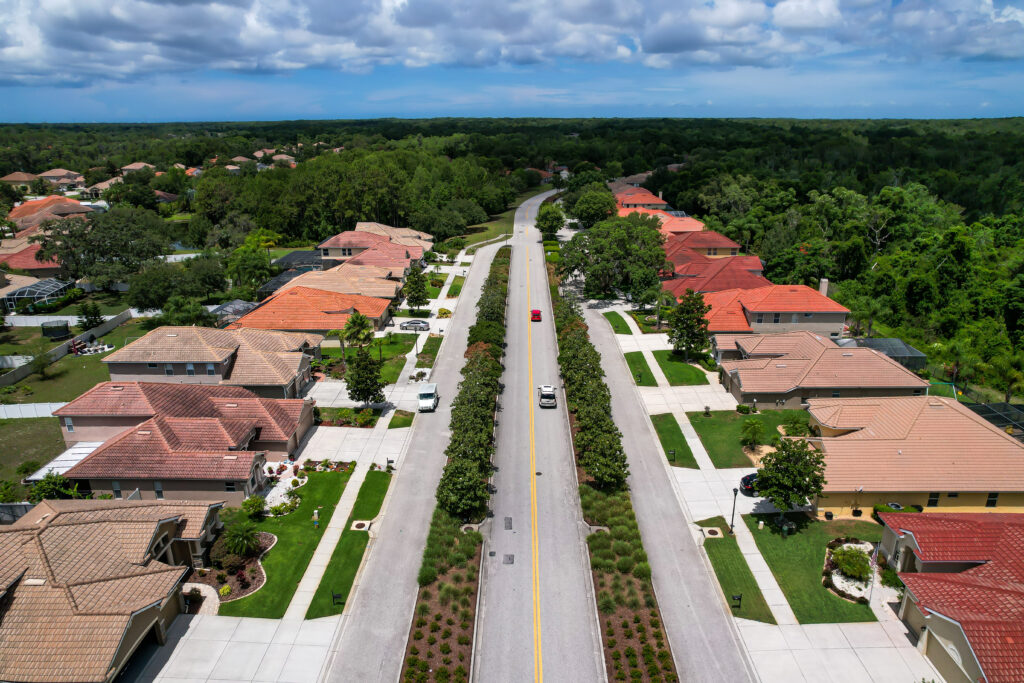
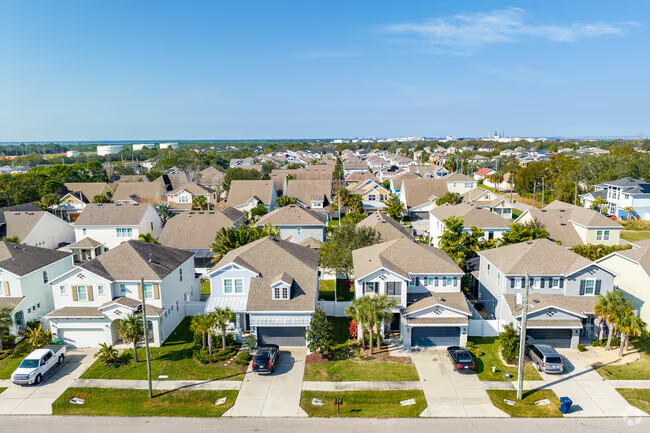
Finding an “insurance-safe home” in Tampa Bay involves prioritizing specific property characteristics related to location, age, and roof features that significantly impact insurance premiums. When I’m working with clients, these are the three biggest factors we always consider.
Location: Beyond Just Flood Zones
While avoiding a designated flood zone is paramount, an insurance-friendly location also means a higher elevation and distance from the water. For example, my personal home in Tarpon Springs is in a flood zone with a floor elevation of only 5 feet above sea level—not ideal for insurance. In contrast, the house I’m currently in is about 25 feet above sea level and three miles from the water, with no flood zone designation. Proximity to water and elevation are critical, even if you’re not in a mapped flood zone. For more insights on community choices, refer to HOA or No HOA? What Every Tampa Bay Relocator Gets Wrong.
Age of the Home: Newer is Better (Mostly)
Generally, newer homes tend to be more insurance-friendly because they incorporate modern building codes, better-rated windows, and improved garage door attachments. My house, built in 1986, still qualifies for affordable insurance due to its construction. While brand new isn’t always the cheapest, a home built more recently will likely have features that result in lower premiums compared to, say, a 60-year-old property. Newer construction often means better adherence to current standards, making it more resilient to storms.
The Roof: Your Biggest Insurance Factor
The roof is arguably the single most critical factor in determining your home insurance costs in Florida. Its age, type, and how it’s attached to the house can dramatically influence your premiums.
- Attachment Type: Look for homes with hurricane clips, small metal clips that secure the roof trusses to the walls with multiple nails. This provides a significant discount over “toenails,” which use fewer nails. Even better are straps that are concreted into the wall, typically found in newer construction.
- Roof Age: Many carriers have strict age limits, often refusing to insure roofs over 20 years old, and some even over 16 years. Even tile roofs, which are rated for 50 years, can be rejected by some carriers if they’re over 20 years old. This is a dynamic that constantly shifts with carrier appetite for risk.
- Secondary Water Resistance (SWR): This is a waterproof barrier installed under your shingles. While standard on tile or flat roofs, it’s an excellent addition for shingle roofs. I received a quote for a new roof where adding SWR cost about $1,200, but the insurance discount was around $500 per year. It’s almost always worth the investment for the long-term savings and added protection.
When you buy a house here or get a new roof, you’ll receive a wind mitigation report. This report details all these roof features—how shingles are attached, underlayment, and truss connections—and directly influences your insurance premium. Understanding this report is key to finding the best rates.
What Tampa Bay Homeowners Are Actually Paying in 2026
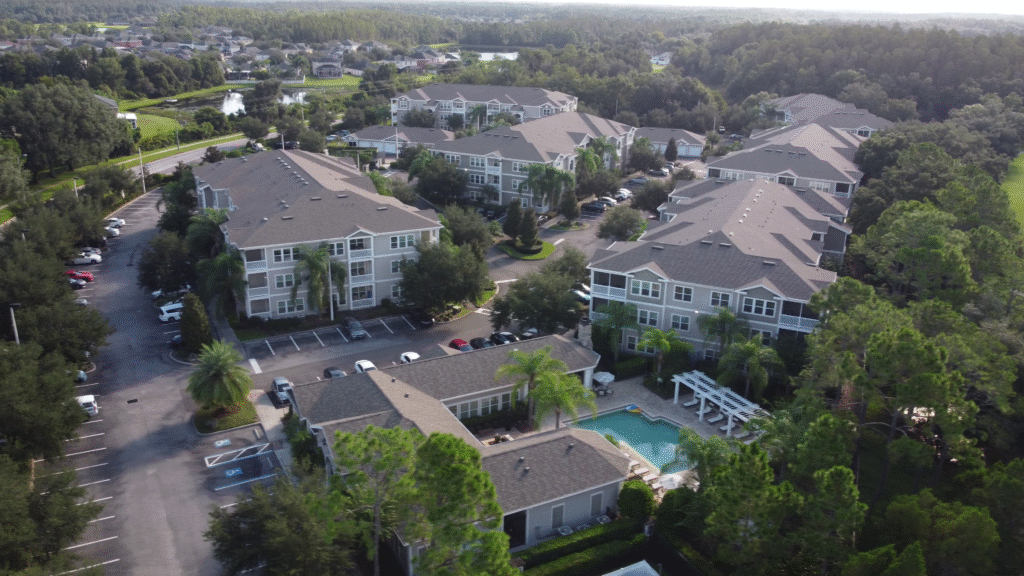
While specific figures vary wildly based on individual property characteristics, the overall trend for Tampa Bay homeowners in 2026 is a move towards more competitive and, in many cases, lower premiums compared to previous years. The days of constant, unpredictable rate hikes seem to be easing, replaced by a market where shopping your policy actually yields results.
I recently worked with a client considering a home on a canal with easy access to the Gulf. The initial homeowners insurance quote was $10,000, which is extremely high. However, we discovered that verifying the presence of hurricane clips could secure a $3,000 discount on that policy. This illustrates the immense value of understanding and leveraging a home’s specific features to reduce insurance costs. Even if the clips weren’t present, the client was considering adding them the following year for substantial savings.
This shift means that instead of just accepting whatever rate you’re given, it’s now more crucial than ever to actively shop your policy through a broker who can access multiple carriers. The return of 83 carriers filing for decreases or flat renewals means there’s genuine competition in the market, allowing for meaningful savings for homeowners who do their due diligence.
Key Takeaways
- Insurance Rates are Decreasing: 83 insurance carriers have filed for rate cuts or flat renewals, and Citizens Property Insurance is lowering rates by an average of 8.7%, marking the first significant decrease since 2015.
- Crisis Easing Factors: The end of the 1% FIGA assessment and the impact of tort reform (eliminating assignment of benefits) have significantly reduced costs for insurers, leading to more competitive premiums.
- Citizens’ Depopulation Strategy: Citizens is actively shedding policies, dropping from 1.4 million to under 340,000, by offering private alternatives and requiring flood insurance for homes with a replacement cost of $400,000+ by January 1, 2026, even outside flood zones.
- “Insurance-Friendly Home” Factors: Key elements for lower premiums include location (not in a flood zone, higher elevation), a newer home, and critical roof features like hurricane clips, SWR, and a younger roof (typically under 16-20 years old).
- Shopping Your Policy Matters Again: With renewed competition among private carriers, actively comparing policies through a broker can now yield substantial savings, unlike previous years where options were limited and prices consistently rose.
Should You Prioritize an Insurance-Friendly Home in Tampa Bay?
Prioritizing an insurance-friendly home might be right for you if you prioritize:
- Long-term savings: Lower premiums can save thousands annually over the life of your mortgage.
- Predictability: Less exposure to extreme rate hikes due to robust construction and lower risk factors.
- Peace of mind: Knowing your home is built to withstand common Florida risks and is well-covered.
A less insurance-focused approach might be better if you prioritize:
- Specific aesthetics or location: You’re willing to pay higher premiums for a unique historic home or waterfront property.
- Renovation potential: You plan to update the roof or other features soon after purchase to improve insurability.
- Investment strategy: You see value in a property despite higher insurance costs, perhaps for rental income or future appreciation.
Frequently Asked Questions (FAQ)
Q: What is tort reform, and how did it affect Florida home insurance?
A: Tort reform refers to changes in Florida law that restricted “assignment of benefits” (AOB) clauses. Previously, AOB allowed contractors to represent homeowners directly to insurance companies, leading to a surge in costly lawsuits. Eliminating this practice has drastically reduced legal expenses for insurers, which is a major reason they can now offer lower rates.
Q: How much can I save on insurance by having a new roof with SWR?
A: While exact savings vary by carrier and location, I’ve seen adding Secondary Water Resistance (SWR) during a new roof installation cost around $1,200 but yield an annual insurance discount of approximately $500. This makes it a highly worthwhile investment that pays for itself in just a few years through reduced premiums.
Q: Does being in a flood zone automatically mean extremely high insurance costs?
A: Not necessarily. While being in a flood zone does require flood insurance, the cost can vary significantly based on your home’s elevation certificate, specific flood zone designation, and whether it has been mitigated for flood risk. For a home not in a flood zone, like my example of a $500,000 replacement cost, flood insurance might only be $500 a year, but in a high-risk zone, it could be much more substantial. It’s crucial to get a specific quote.
Q: Why are private carriers returning to the Tampa Bay market?
A: Private carriers are returning due to increased market stability, largely spurred by the tort reform reducing legal costs, the end of the FIGA assessment, and a couple of milder hurricane seasons. This has made Florida a more attractive and predictable market for them to operate in, leading to increased competition and more options for homeowners.
—
Watch the Full Video
For more insights, watch the complete video: Tampa Florida Home Insurance Just Changed — Here’s What You Need to Know Before You Buy
—
Making Your Move Easier
Moving forward does not have to be overwhelming. With the right guidance and support, you can navigate this journey smoothly. My team and I are ready to help you every step of the way.
Here’s how to get in touch:
📧 Email: info@livingintampafl.com
📞 Phone: (727)677-5337
💻 YouTube: Living in Tampa FL