TL;DR
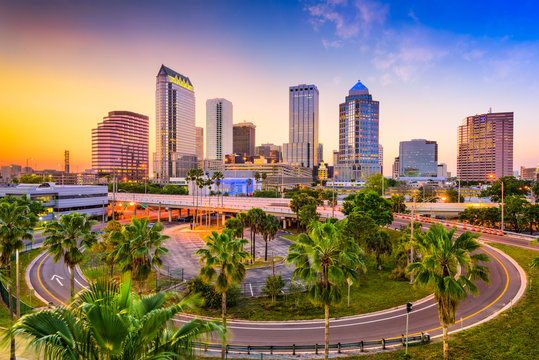
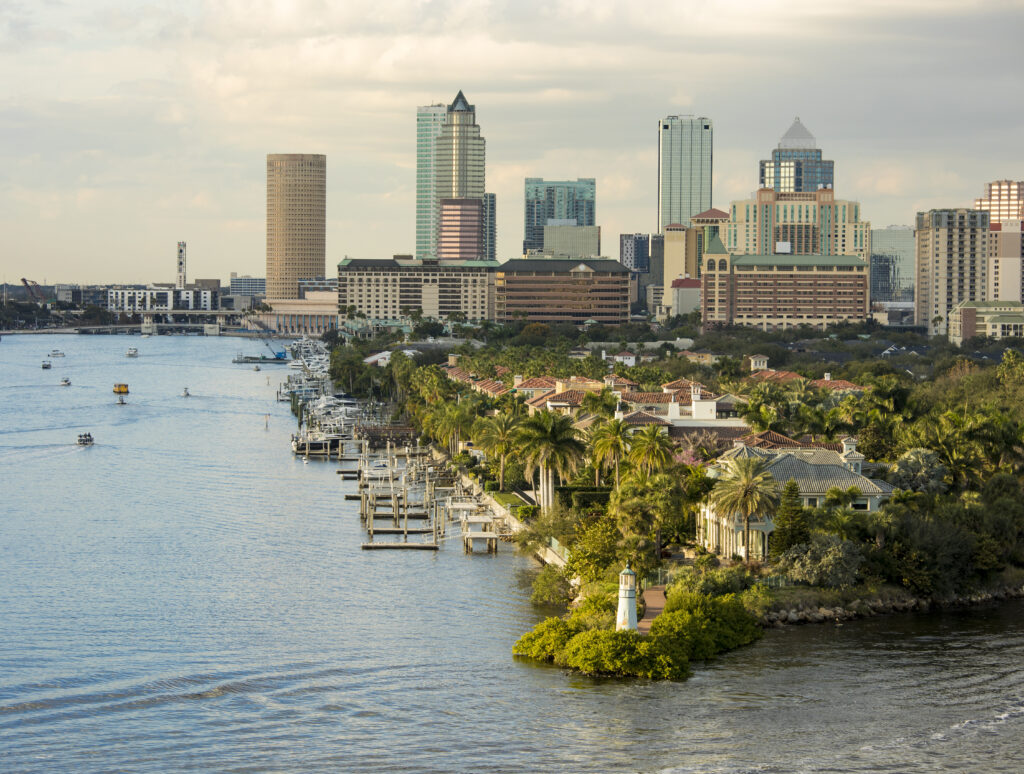
The Tampa Bay Rays’ new stadium in Tampa is set to dramatically alter the real estate landscape in the region, particularly around the new stadium site and the former Tropicana Field. Beyond the stadium’s $1.3 billion impact, the reversion of 85 acres of development rights in St. Petersburg presents an even larger opportunity for urban revitalization. This move creates significant short-term rental and investment potential in both Tampa and St. Pete.
—
After years of speculation, the Tampa Bay Rays have found their new home in Tampa, and I believe this move will be a game-changer for Tampa Bay real estate in 2026 and beyond. This isn’t just about a new stadium; it’s about unlocking development potential that has been dormant for decades. The ripple effect, from property values to investment opportunities, will be felt across two key areas, creating shifts that could redefine local markets.
In my experience as a licensed real estate agent in the Tampa Bay area, I’ve seen firsthand how major infrastructure projects and urban revitalization efforts can transform communities and drive property appreciation. The Rays’ departure from Tropicana Field, for instance, means the city of St. Petersburg finally regains control of 85 prime acres, development rights they haven’t held since 1995. This unique situation presents a dual opportunity: a new economic engine in Tampa and a massive redevelopment canvas in St. Pete.
So, what does this mean for homeowners, potential buyers, and investors? Where will the new stadium be located, and what neighborhoods will feel its immediate impact? More importantly, what’s the real potential of the Tropicana Field site, and why might it be the bigger story? Let’s dive into the complicated history, the funding challenges, and the exciting real estate prospects unfolding across Tampa Bay.
Why the Rays are Leaving St. Pete: The Tropicana Field Saga
The Rays’ relationship with Tropicana Field has always been complicated, largely because the stadium was never truly built for them. Tropicana Field was constructed in 1990, years before the Rays even existed. It was a speculative project, designed to attract any Major League Baseball team, not tailored to the specific needs or desires of a future Tampa Bay franchise. This history laid the groundwork for a problematic landlord-tenant relationship between the team and the city of St. Petersburg.
The 85-Acre Land Lock
One of the most significant, and often overlooked, aspects of this saga is the 85-acre Tropicana Field site itself. Since 1995, even before the Rays started playing in 1998, they held the development rights to this massive parcel of land. For nearly 30 years, these rights essentially lay dormant, limiting the city’s ability to redevelop the area around the stadium. While the city owned the stadium, the Rays’ lease and development rights created a stalemate that prevented meaningful progress.
Low Attendance and Isolation
Several factors contributed to the Rays’ consistently low attendance, often ranking in the bottom three of MLB teams. A major reason, in my opinion, is the stadium’s location and design. It’s isolated from the bulk of the Tampa Bay population, making it challenging for fans outside St. Petersburg to access. The domed roof also didn’t offer the outdoor, classic baseball experience many fans desire, feeling more like a “big tent” than a modern ballpark. This constant battle with the city over stadium improvements and the lack of a modern venue only exacerbated the attendance issues, as even the MLB commissioner pointed out.
The Rays’ New Home: A $1.3 Billion Stadium in Tampa
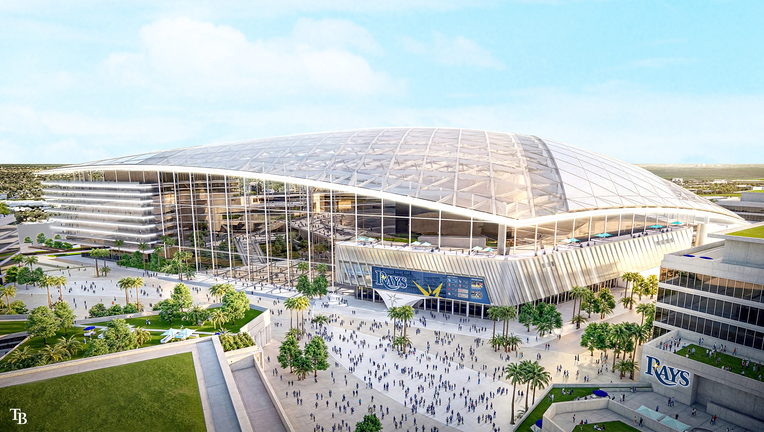
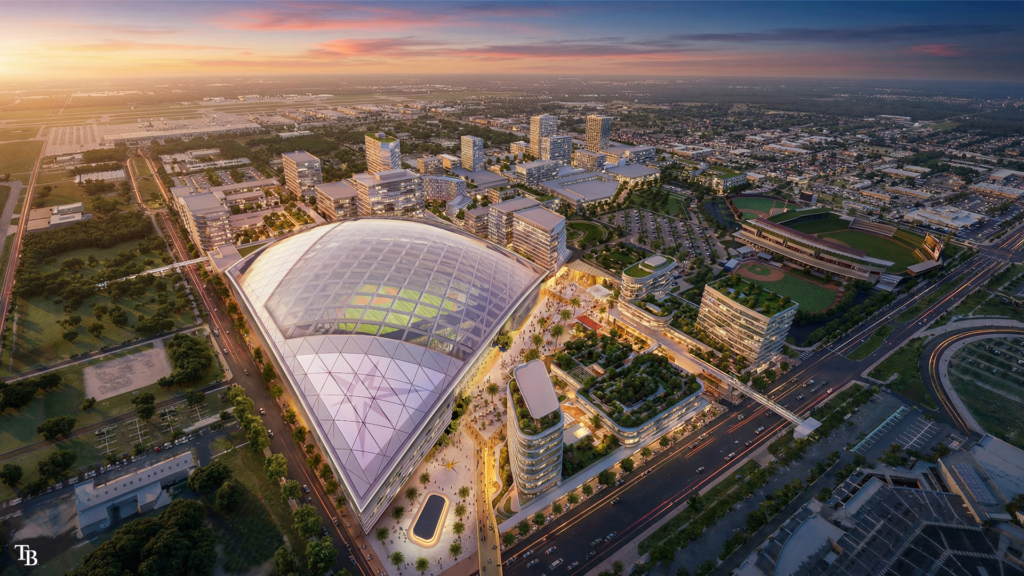
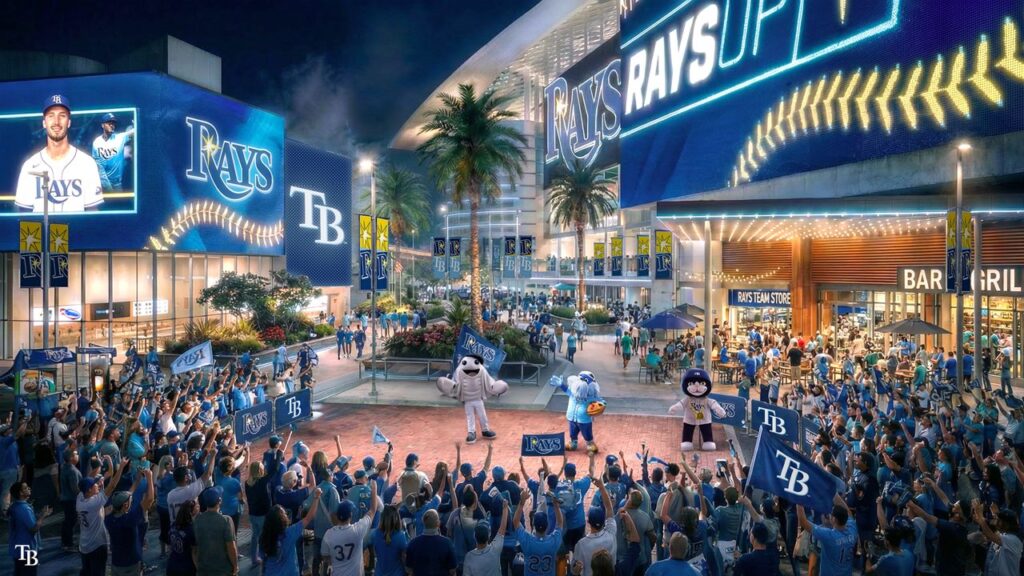
The Rays have now reached a memorandum of understanding for a new $1.3 billion stadium in Tampa. This isn’t just a stadium; the vision is for a sprawling mixed-use development akin to Atlanta’s ‘The Battery,’ incorporating housing, retail, and other amenities around the ballpark.
Location: West Tampa’s Raymond James Area
The proposed site is a 100+ acre parcel just west of Raymond James Stadium and south of Steinbrenner Field, home of the Yankees’ spring training. This location on Dale Mabry Highway, a major north-south thoroughfare, is far more central to the entire 3.3 million population of the Tampa Bay area. While currently an industrial area with some deteriorated housing, its centrality is a huge advantage for boosting attendance and attracting new development.
Funding and Political Hurdles
The funding breakdown for the $1.3 billion project is complex. The Rays’ ownership has committed to paying over 50%, including any overages. The remaining portion would require contributions from Hillsborough County and the City of Tampa. Ideas for raising this money include:
- Hotel Taxes: Additional taxes on hotels specifically around the stadium.
- Car Rental Fees: An additional fee on car rentals across the entire Tampa area.
- Infrastructure Tax Increase: Raising Hillsborough County’s half-percent infrastructure tax to match Pinellas and Pasco counties’ 1%. This, I believe, could address many of Tampa’s pressing infrastructure needs while contributing to the stadium.
While a community development district (CDD) that taxes surrounding property owners has been floated, I find it unfair to an area that isn’t particularly high-income.
Real Estate Impact in Tampa: West Tampa & Beyond
This new stadium and surrounding development will be a massive catalyst for the West Tampa area. I expect significant appreciation in home values, especially in the surrounding neighborhoods. The current state of many properties suggests a ripe opportunity for redevelopment and revitalization. Just look at downtown Tampa’s transformation after the Amalie Arena development; a major anchor like this stadium can attract other developers and investments, leading to projects like Water Street and Channelside.
For those considering purchasing property in the area, or perhaps wondering about the broader market, I always recommend looking at the bigger picture. In Tampa 2026 Real Estate Outlook, New in St Pete, Insurance Going Down?, I discuss some of the larger trends shaping our market, which this stadium project will undoubtedly influence. This area will likely see significant infrastructure improvements, including roads and drainage, further enhancing property values.
Short-Term Rentals and Investment Opportunities
Short-term rentals are permitted in the area surrounding the new stadium site, presenting a major opportunity for real estate investors. The influx of fans, event-goers, and new residents will create demand for accommodations. Homeowners looking to capitalize on this could see substantial rental income, in addition to property appreciation. However, it’s always critical to understand the nuances of the local market. For a deeper dive into making smart decisions, I recommend watching Don’t Buy in Tampa Until You Know This, where I break down key factors often overlooked by buyers.
The Bigger Play: Redeveloping the Tropicana Field Site in St. Pete
While the new stadium in Tampa is exciting, the redevelopment of the 85-acre Tropicana Field site in St. Petersburg might be an even bigger story for the region. With the Rays’ departure, the development rights finally revert to the city, opening up an unprecedented opportunity for urban planning.
Reversion of Development Rights
This is a huge moment for St. Petersburg. For decades, the city’s hands were tied by the Rays’ control over the development rights. Now, the city has the freedom to shape a massive, centrally located parcel of land. This area, historically the Gas Plant District, has a complex past, and any redevelopment will need to address the promises of affordable housing that were made and not kept in the past.
Key Proposals for the Tropicana Field Site
Several developers have submitted proposals for the site, each with a unique vision. Two, in particular, stand out to me:
- ArchInvest and Ellison Development: This proposal envisions a massive development including housing, retail, and a significant African-American museum, acknowledging the site’s historical significance. It also includes a land bridge connecting across I-275.
- Blake Investment Group: This proposal really resonates with me because of its focus on creating a pedestrian-friendly urban core. Imagine a central area with no cars, featuring museums (including the African-American museum), restaurants, amphitheaters, and extensive trails. This aligns perfectly with St. Petersburg’s growing car-free community. This plan also includes a transportation hub with potential for a light rail connection to the Tampa airport, and even a water or surfing facility, mirroring current trends.
These proposals offer a glimpse into the potential for a vibrant, walkable downtown extension that could truly transform St. Petersburg.

Investment Potential in St. Pete
The redevelopment of the Tropicana Field site will create immense investment opportunities in St. Petersburg. The focus on a pedestrian-centric, culturally rich environment will attract residents and visitors alike, driving demand for both residential and commercial properties. Whether it’s new housing, retail spaces, or hospitality, the transformation of this 85-acre parcel into a vibrant urban district will undoubtedly lead to significant appreciation and new ventures.
My Honest Take on Investment Opportunities
Both the new stadium in Tampa and the redevelopment of the Tropicana Field site in St. Petersburg present compelling investment opportunities. The Tampa stadium area offers the chance to invest in an emerging district that will benefit from major infrastructure upgrades and a new economic anchor. I anticipate strong growth in West Tampa as the area transforms from industrial to a lively entertainment and residential hub.
On the St. Petersburg side, the potential is perhaps even more profound because it’s a blank slate in a prime urban location. This is a rare opportunity to create an entirely new district from the ground up, with a strong focus on walkability, culture, and community. “There is so much community in St. Petersburg that’s already trying to be car-free and this would really fit that mold,” I’ve observed, making the Blake Investment Group’s proposal particularly appealing for long-term value.
Of course, funding remains a key question for both projects, especially with ongoing discussions about property tax changes. However, the sheer scale and strategic locations of these developments suggest robust long-term potential for real estate investors in both Tampa and St. Pete. I’ll be keeping a close eye on these stories as they unfold over the next decade.
Key Takeaways
- Dual Real Estate Impact: The Rays’ move will significantly impact two distinct areas: the new stadium site in West Tampa and the 85-acre former Tropicana Field site in St. Petersburg, creating unique investment dynamics in each.
- St. Pete’s 85-Acre Opportunity: The reversion of development rights for the 85-acre Tropicana Field site to St. Petersburg after nearly 30 years presents a massive, unprecedented urban redevelopment opportunity for a pedestrian-friendly urban core.
- Tampa Stadium as an Anchor: The new $1.3 billion mixed-use stadium in West Tampa will act as a major economic anchor, driving infrastructure improvements and property value appreciation in the surrounding, currently underdeveloped areas.
- Investment Potential: Both areas offer significant short-term rental and long-term appreciation opportunities for real estate investors, with St. Pete’s blank slate offering potentially more profound long-term urban transformation.
Frequently Asked Questions (FAQ)
Q: What specific Tampa neighborhoods will benefit most from the new Rays stadium?
A: The neighborhoods immediately surrounding the new stadium site in West Tampa, particularly those near Dale Mabry Highway and the Raymond James area, are expected to see the most significant price increases and redevelopment. As I’ve seen with other major anchors like Amalie Arena, this kind of development can have a ripple effect, transforming nearby residential and commercial areas.
Q: How will the redevelopment of the Tropicana Field site affect St. Petersburg’s housing market?
A: The redevelopment of the Tropicana Field site is likely to create a significant number of new housing units, potentially including affordable housing options as part of addressing historical community promises. This influx of new residents, coupled with the creation of a vibrant, walkable urban center, will drive demand and appreciation in surrounding St. Pete neighborhoods, especially those close to the downtown core.
Q: What are the main challenges for funding these large-scale stadium and redevelopment projects?
A: Funding these multi-billion dollar projects involves navigating complex political landscapes and securing contributions from both public and private sources. Challenges include balancing local tax burdens with regional benefits, managing potential cost overruns, and gaining public consensus. Ideas like increasing existing infrastructure taxes or adding specific hotel and car rental fees are being explored to mitigate the burden on local property owners.
Q: When can we expect to see the new stadium completed and the Tropicana Field site redevelopment begin?
A: The new Tampa stadium has a target completion date of 2028, though these projects often face delays. For the Tropicana Field site, planning is already underway, with developers submitting proposals. While the demolition of Tropicana Field is covered in one proposal, the full redevelopment will be a multi-phase project spanning many years beyond 2028, likely unfolding over the next decade.
—
Watch the Full Video
For more insights, watch the complete video: What the Rays Stadium Move Means for Tampa Bay Real Estate in 2026 & Beyond
—
Making Your Move Easier
Moving forward does not have to be overwhelming. With the right guidance and support, you can navigate this journey smoothly. I am ready to help you every step of the way.
Here’s how to get in touch:
📧 Email: info@livingintampafl.com
📞 Phone: (727)677-5337
💻 YouTube: Living in Tampa FL