TL;DR
Understanding HOAs in Tampa is crucial for homebuyers, as options range from high-fee luxury communities that handle everything, to basic HOAs with minimal rules, and even homes with no HOA at all. Each level comes with distinct costs, amenities, and lifestyle implications, impacting everything from property maintenance to neighborhood aesthetics.
—
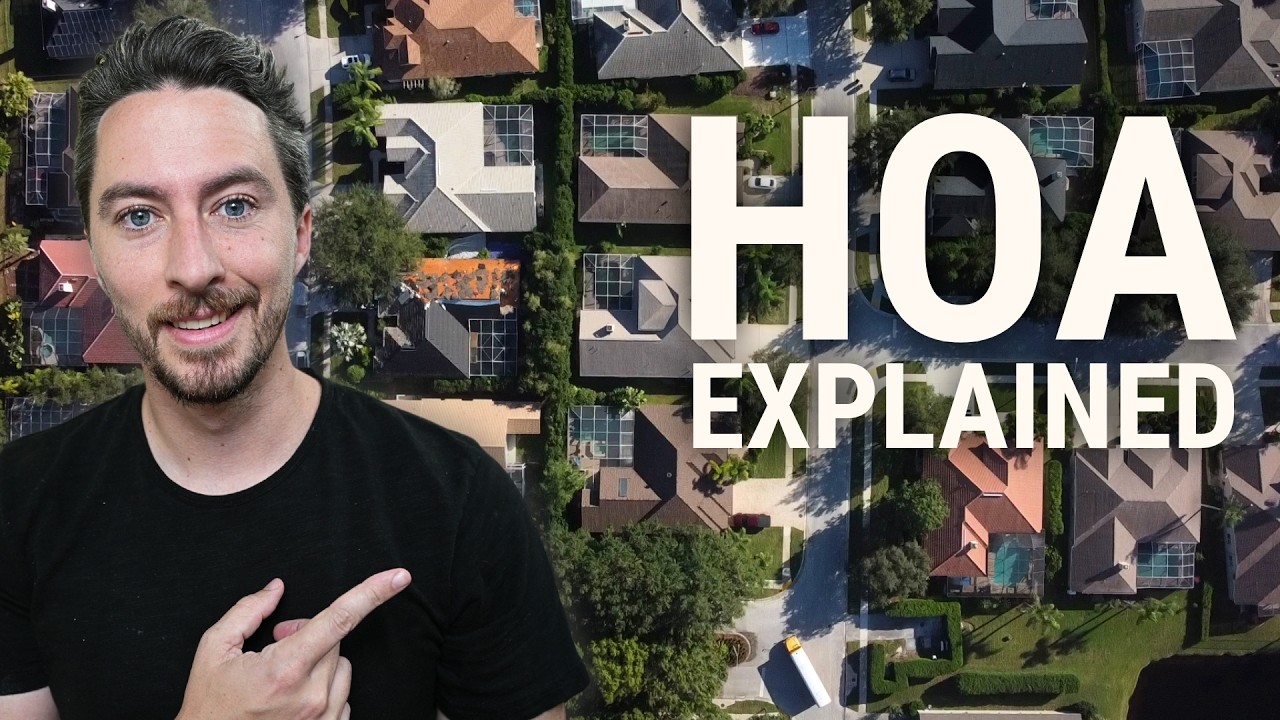
After years of helping clients find their ideal homes in the Tampa area, I’ve learned that understanding the nuances of HOAs in Tampa is often the make-or-break factor for buyers. Many people call me asking, “How do I avoid HOAs?” while others prioritize the benefits of a well-maintained community. The truth is, the Tampa real estate market offers a diverse spectrum of options, catering to every preference and budget.
In my experience as a licensed real estate agent with LPT Realty, LLC, I’ve seen how HOA fees can range dramatically, from as low as $30 a month for deed restrictions to over $1,200 a month for luxury condo living, significantly impacting a home’s affordability and lifestyle. The Tampa market offers a spectrum of options, from fully managed luxury communities to completely unrestricted properties, each with its own set of pros and cons.
But what exactly do these different HOA levels entail, and how do you decide which is right for you? In this comprehensive guide, I’ll break down the various types of HOAs you’ll encounter here, their typical costs, and the specific advantages and disadvantages of each, including the option of having no HOA at all. Let’s explore every level of HOA here in the Tampa area.
Understanding HOAs in Tampa: From Luxury to No HOA
Navigating the world of Homeowners Associations in the greater Tampa area can feel complex, but it doesn’t have to be. I categorize HOAs into several distinct levels, each offering a different balance of services, amenities, and restrictions.
The Most Intense: Luxury HOAs
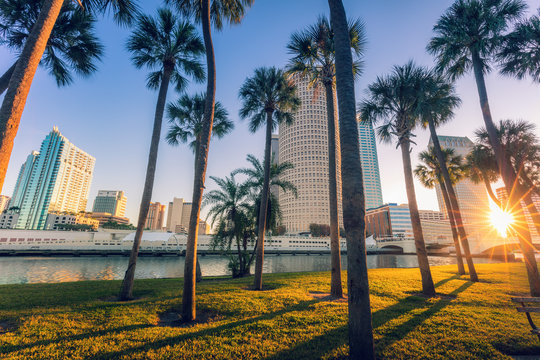
Luxury HOAs are characterized by extensive services that handle much of your property maintenance, offering a truly hands-off living experience. When people think of high HOA fees, this is often the type of community they envision.
These communities often include amenities like gated access, full lawn care, exterior maintenance, and even services such as repainting your home’s exterior every few years. While the term “luxury” refers to the level of service and amenities, it doesn’t always mean the homes themselves are mansions. For example, in the Trinity area, I have a listing where the HOA covers exterior maintenance, lawn care, sewer, and provides a community pool. Similarly, in Starkey Ranch, there’s a gated section built by Esplanade (Taylor Morrison homes) with elevated standards, requiring clay roofs and meticulous landscaping, even repainting exteriors every five years. These communities often come with strict rules on everything from trash can placement to exterior modifications. The cost for these can be substantial, typically starting at $400 a month and often going much higher, especially for condos. For instance, I recently had a client purchase a condo on the beach with an HOA fee of $1,200 a month, which included cable, internet, water, and sewer.
Premium Amenity HOAs: Lifestyle Focused
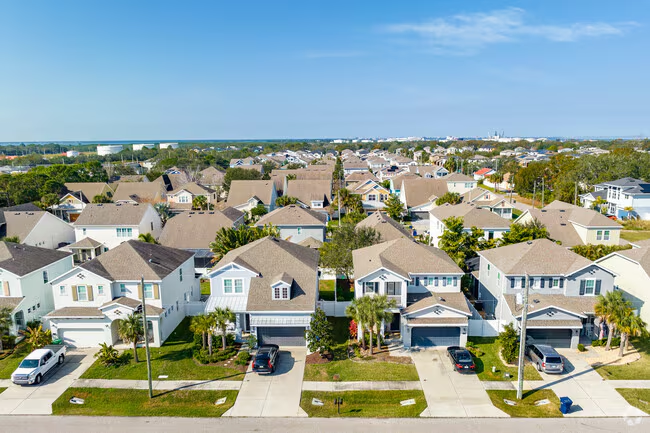
Premium amenity HOAs prioritize an enriched lifestyle through high-quality shared facilities, appealing to a broader range of residents than just those seeking full-service luxury. The key distinction here is that while they offer impressive amenities, they typically don’t cover as much of your individual property’s exterior maintenance as luxury HOAs do.
These communities boast features like multiple pools, elaborate playgrounds, extensive trails, and clubhouses. River Landing in Wesley Chapel is one of my favorite examples, offering a lap pool, three distinct pools in one area, and beautiful trails along wetlands. Starkey Ranch also falls into this category, known for its unique, slow-paced style with numerous roundabouts and a strong community feel. Other examples include communities around Wiregrass and Seven Oaks, which might have gated sections but often share amenities across the larger neighborhood. These HOAs are chosen for their overall aesthetic and the lifestyle they provide, with fees typically ranging from $200 to $500 a month. While CDDs (Community Development Districts) are often present in these areas, it’s important to remember that they are separate from HOAs and cover different types of infrastructure costs. For a deeper dive into making location decisions in the region, you might find Close to Tampa or Far From It? Here’s How to Actually Decide helpful in understanding how these factors play into your choice.
Basic HOAs: Essential Community Care
Basic HOAs focus on maintaining a consistent community standard and a few shared elements, without the extensive amenities or services of higher-tier HOAs. These are often the most common type of HOA in the Tampa area and are generally the most affordable.
With fees typically around $75 a month, basic HOAs ensure that common areas like entry signs and sidewalks are maintained. They also enforce fundamental rules, such as preventing crazy house colors, requiring regular lawn care, and restricting the parking of work trucks in the road. While there might be a small community pool, the primary benefit for many residents is the assurance that neighbors will keep their properties well-maintained, contributing to overall property values and neighborhood appeal. This helps maintain a manicured appearance for the community without burdening homeowners with high monthly costs.
Deed-Restricted Neighborhoods: Rules Without the High Fees
Deed-restricted neighborhoods have covenants and rules that homeowners must follow, but they often lack a formal, high-fee HOA structure. This option offers a middle ground for those who appreciate some level of community standards without the extensive oversight or cost of a traditional HOA.
In these neighborhoods, you agree to specific covenants when you purchase the property. If these rules are violated, residents can report issues to the city, which then enforces them. For instance, my in-laws live in a deed-restricted neighborhood in Tarpon Springs where they had to address an overgrown lake strip and eventually move a jet ski that had been sitting in their yard for six months. While these restrictions aim to maintain a certain level of upkeep, enforcement can be less stringent and slower than with a formal HOA. Some deed-restricted communities might have a voluntary HOA with a very low fee, perhaps around $30 a month, primarily for administrative purposes. This setup appeals to many who want a cleaner neighborhood but prefer more personal freedom over their property.
The Freedom of No HOA: Pros and Cons
Choosing a home with no HOA offers maximum personal freedom and control over your property, allowing you to customize and use your space without external approvals. This is often the top request I hear from clients, and it’s how I personally choose to live.
Pros of No HOA:
- Unrestricted Property Use: You can build additional structures, choose any exterior paint color, or park vehicles (like RVs or boats) on your property without needing approval. I love being able to do my own thing, whether it’s clearing out my wooded backyard or building something new without neighborhood restrictions. For example, my property is about 300 feet deep, with a quarter of it wooded, giving my kids ample space to play and explore.
- Lower Monthly Costs: You avoid monthly HOA fees, which can add up significantly over time, making homeownership more affordable.
- Rural Charm: Many no-HOA neighborhoods, especially in more rural parts of the Tampa area, offer larger lots and a unique character, often featuring wells for irrigation and abundant wildlife, including wild peacocks in my neighborhood.
Cons of No HOA:
- Lack of Sidewalks: Many older or rural no-HOA neighborhoods lack sidewalks, which can be inconvenient for walking, especially with small children. This is one of my biggest annoyances.
- Inconsistent Property Maintenance: Without an HOA, there’s no guarantee that neighbors will maintain their properties to your standards. This can lead to issues like overgrown yards, parked RVs, or general clutter, which might be visible from your home. As I’ve been clearing my backyard, I can now see my neighbor’s RV and fifth wheel, which can be a bit annoying.
- Potential for Lower Property Values: While not always the case, a lack of consistent neighborhood upkeep can sometimes affect overall property values compared to well-maintained HOA communities. However, I believe in being the “worst house on the street” – meaning my property is typically the smallest or least expensive, ensuring my neighbors’ homes are nicer and elevate the overall cul-de-sac.
Ultimately, the choice between an HOA and no HOA depends on your priorities: the desire for a highly manicured community versus complete personal freedom. If you’re considering a move to the Tampa Bay area, understanding these distinctions is key. For more insights on making a move, check out Moving to Tampa 2026? You Need to Watch This First, which covers essential questions for relocators.
Comparing HOA Types in Tampa
To help you visualize the differences, here’s a quick comparison of the various HOA levels you’ll find in the Tampa Bay area:
| Feature | Luxury HOA | Premium Amenity HOA | Basic HOA | Deed-Restricted | No HOA |
|---|---|---|---|---|---|
| Typical Cost | $400 – $1000+ per month | $200 – $500 per month | $75 – $150 per month | $0 – $50 per month (often voluntary) | $0 per month |
| Exterior Maint. | Often included (lawn, exterior paint) | Minimal to none (owner responsibility) | None (owner responsibility) | None (owner responsibility) | None (owner responsibility) |
| Amenities | Gated access, private pools, clubhouses, full lawn care | Multiple pools, trails, parks, clubhouses, unique community design | Small park, basic community pool | Minimal (e.g., lake access) | None (individual property features) |
| Restrictions | Very strict on aesthetics, parking, property use | Moderate, focused on community standards and common areas | Basic rules (lawn care, paint colors) | Varying, city-enforced covenants | Minimal (local zoning laws only) |
| Crime Deterrent | Controlled access, not perfect deterrent | Controlled access in some cases | Minimal | Minimal | Minimal |
| Appeal | Hands-off living, manicured environment | Lifestyle, community feel, shared facilities | Consistent neighborhood appearance | Basic standards, low cost | Ultimate freedom, large lots |
Key Takeaways
- HOA fees in Tampa vary widely, ranging from as low as $30/month for voluntary deed restrictions to over $1,200/month for luxury condo living, significantly impacting overall housing costs.
- Luxury HOAs offer extensive services like full exterior maintenance and gated access, typically costing $400-$1000+ monthly, ideal for those seeking a hands-off, manicured lifestyle.
- Premium Amenity HOAs focus on lifestyle, providing high-quality shared facilities such as multiple pools and extensive trails (e.g., Starkey Ranch, River Landing), with fees typically between $200-$500/month.
- Basic HOAs ensure community standards and maintain common areas like sidewalks and entryways for around $75-$150/month, appealing to those who want neighbor accountability without high costs.
- No HOA offers complete property freedom but may result in inconsistent neighborhood aesthetics and a lack of shared amenities or sidewalks, making it a trade-off for personal control.
Should You Buy a Home with an HOA in Tampa?
The decision to buy a home with an HOA in Tampa largely depends on your personal preferences for property maintenance, community amenities, and lifestyle freedom.

A Luxury or Premium HOA might be right for you if you prioritize:
- A meticulously maintained and manicured neighborhood aesthetic.
- Access to extensive amenities like pools, clubhouses, and recreational trails.
- Less personal responsibility for exterior home and yard maintenance.
- The peace of mind that comes from consistent community standards and rules.
A Basic HOA or Deed-Restricted neighborhood might be better if you prioritize:
- Having some level of neighborhood standards and property upkeep by neighbors.
- Lower monthly fees compared to luxury or premium communities.
- A balance between community oversight and personal property control.
- Affordability while still benefiting from some shared community elements.
A No-HOA home might be ideal if you prioritize:
- Complete freedom to modify your property, build, or customize without external approval.
- Avoiding all monthly HOA fees, leading to lower ongoing housing costs.
- Larger lots, more rural settings, and a desire for absolute personal control over your home and land.
- A relaxed approach to neighborhood aesthetics, accepting potential inconsistencies in neighbor’s property maintenance.
Frequently Asked Questions (FAQ)
Q: What’s the difference between an HOA and a CDD in Tampa?
A: An HOA (Homeowners Association) primarily manages and maintains common areas, amenities, and enforces community rules, funded by monthly or annual fees. A CDD (Community Development District), on the other hand, is a special taxing district that finances and maintains infrastructure like roads, utilities, and large-scale amenities (e.g., major parks or water management systems) through a separate annual assessment on your property tax bill. Some neighborhoods, like Starkey Ranch, have both, while others, like the gated community in Trinity I mentioned, have an HOA but no CDD.
Q: Can I truly avoid HOAs in the Tampa area?
A: Yes, it is absolutely possible to avoid HOAs in the Tampa area, though it often means looking at older neighborhoods or more rural properties. Many of my clients specifically ask how to do this. While you gain immense freedom over your property, you might sacrifice amenities like sidewalks, community pools, or consistent neighborhood aesthetics, as I’ve experienced living in a no-HOA neighborhood myself.
Q: What are the typical costs for different HOA types in Tampa?
A: HOA costs in Tampa vary significantly by type. Luxury HOAs with extensive services often start at $400/month and can exceed $1,000/month for condos. Premium amenity HOAs typically range from $200-$500/month, offering a rich lifestyle with shared facilities. Basic HOAs, which focus on fundamental maintenance and rules, usually cost around $75-$150/month. Deed-restricted neighborhoods may have voluntary fees as low as $30/month or no fees at all, relying on city enforcement for covenants.
Q: How do deed restrictions compare to full HOAs?
A: Deed restrictions are covenants tied to the property that outline specific rules, but they often lack the formal structure, amenities, and proactive enforcement of a full HOA. While a full HOA actively manages and maintains the community, enforcing rules through its board, deed restrictions are typically enforced by the city or through legal action by affected neighbors. This means enforcement can be less immediate and less consistent than with a dedicated HOA, offering a different balance of community standards and personal oversight.
Q: What are the biggest benefits of a no-HOA home in Tampa?
A: The biggest benefit of a no-HOA home in Tampa is the unparalleled freedom to do what you want with your property. This includes building additions, choosing any exterior colors, parking RVs or boats, and landscaping without needing approval or adhering to strict community guidelines. For families with kids, like mine, it often means larger lots and more personal space to enjoy, such as clearing wooded areas for play, as I’m doing with my own backyard.
—
Watch the Full Video
For more insights, watch the complete video: HOA
—
Making Your Move Easier
Moving forward does not have to be overwhelming. With the right guidance and support, you can navigate this journey smoothly. My team and I are ready to help you every step of the way.
Here’s how to get in touch:
📧 Email: info@livingintampafl.com
📞 Phone: (727)677-5337
💻 YouTube: Living in Tampa FL