If you’ve ever pictured yourself moving into a quiet cul-de-sac in Lutz, Odessa, or New Tampa only to end up next door to a revolving-door party house, Hillsborough County just gave you one less thing to worry about.
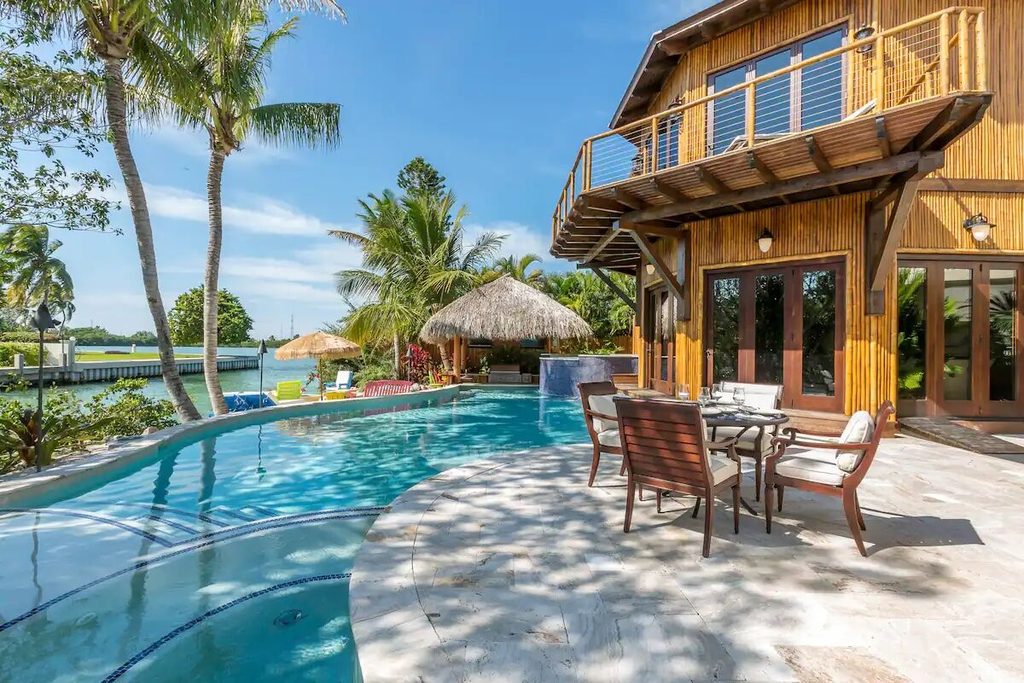
County commissioners voted unanimously to approve a new ordinance requiring short-term rental owners — think Airbnb, Vrbo, and similar listings — in unincorporated Hillsborough County to register their properties, pay an annual fee, and follow stricter accountability rules. The move comes after months of complaints from residents, including a vocal push from the Bay Crest Park neighborhood in Town ‘N’ Country, about large, disruptive parties disrupting otherwise quiet residential streets.

What the New Short-Term Rental Ordinance Actually Requires
Commissioner Harry Cohen, who led the effort, said the county has more than 3,000 short-term vacation rentals operating in unincorporated Hillsborough alone — and until now, there’s been no local framework governing how they operate. Cohen said the complaints he heard were direct and specific: large groups gathering late into the night with no clear way for neighbors to get relief.
Under the new rules, short-term rental owners will need to:
- Register their property annually with the county and pay a $200 fee
- Designate a responsible party available 24/7 who can respond to issues within an hour
- Sign an affidavit confirming the property meets basic life and safety standards
- Make sure guests are informed of county rules, including noise ordinances, parking regulations, and trash pickup schedules
- Retain reservation records for one year in case the county needs them for enforcement
Violations get routed through code enforcement and can escalate to court action if problems continue.
Timeline: Why January 1, 2027 Matters
The ordinance takes effect January 1, 2027 — timed intentionally to be in place before the winter tourism season and spring break, historically the busiest and, according to Cohen, sometimes the rowdiest stretch for short-term rental activity in the area.
Cohen also emphasized this isn’t necessarily the final version of the rules. He’s asked county staff to deliver a report 90 days after the ordinance takes effect so commissioners can revisit open questions — including whether random property inspections should be allowed and whether the $200 fee is set at the right level. “This really is just the beginning of the process,” Cohen said.
There’s also a broader ripple effect worth watching: because Hillsborough’s ordinance currently only applies to unincorporated areas, Tampa city leaders — including City Council Chair Alan Clendenin — are already looking at using the county’s framework as a blueprint for a citywide registration system of their own.
What This Means If You’re House-Hunting in Tampa Bay’s Suburbs
For families evaluating neighborhoods in Lutz, Odessa, New Tampa, Wesley Chapel, Riverview, or Brandon, this ordinance is a useful signal — not a guarantee, but a sign that local government is starting to build tools to address the kind of quality-of-life friction that comes with a growing short-term rental market.
It’s also a good prompt to add a new question to your home-touring checklist: what’s the rental mix on this street, and in this specific subdivision? A quiet block today can shift quickly if several homes convert to short-term rentals, HOA rules notwithstanding — and this ordinance, while a step forward, still leaves a 90-day adjustment window before anyone knows exactly how enforcement will play out in practice.
What This Means for Buyers, Sellers, and Investors
Buyers: Ask your agent directly about known short-term rental activity on a street before you fall in love with a house. Registration data, once the ordinance is active, may eventually become a public resource for checking a neighborhood’s rental density.
Sellers: If you’re in an HOA-governed community with existing rental restrictions, this county-level ordinance adds another layer of accountability that can be a selling point — buyers increasingly ask about this directly.
Investors: Factor the $200 annual registration fee and the 24-hour responsible-party requirement into your short-term rental yield calculations for unincorporated Hillsborough properties, and keep an eye on the 90-day review — inspection requirements or fee changes could follow.
We’ll continue tracking how this rolls out, including whether Tampa adopts a matching city ordinance, and will update you on anything that affects the neighborhoods you’re considering.
Thinking about a move to Tampa Bay’s suburbs? Check out our neighborhood guides for a closer look at Lutz, Odessa, New Tampa, and other communities across Hillsborough and Pasco County.