TL;DR
Clearwater, FL is far more diverse than its famous beach, boasting three distinct personalities: the tourist-centric Clearwater Beach, a unique downtown core heavily influenced by the Church of Scientology, and the primarily residential, family-friendly suburban area known as Countryside.
—
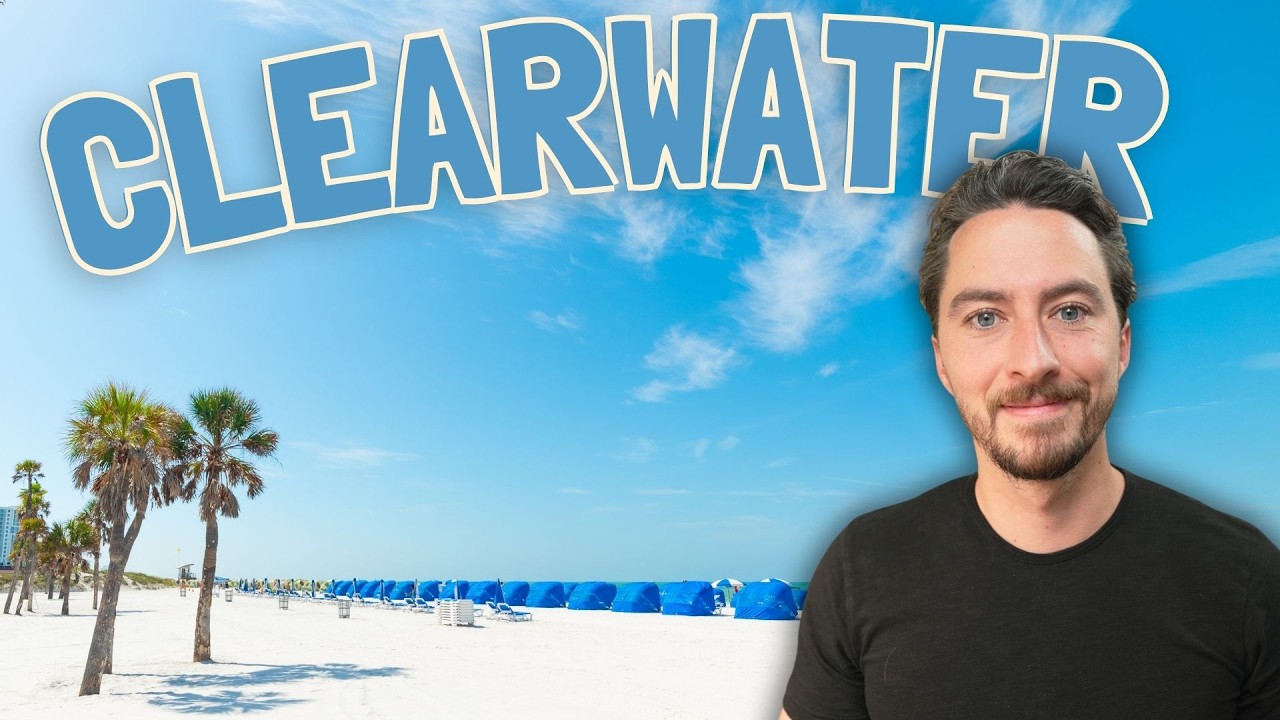
Clearwater, FL is often envisioned as a single, sun-drenched beach town, but after helping countless clients navigate the Tampa Bay area market, I’ve learned that this city of over 100,000 residents has a much more complex and intriguing identity. Many people call me thinking of one thing, only to discover a mosaic of distinct communities.
As a licensed real estate agent with LPT Realty, LLC, I’ve been making sense of living and moving to Tampa since I got married here in 2014. My team and I understand that while the beach is a huge draw, truly understanding Clearwater requires peeling back the layers beyond the postcard-perfect shores to appreciate its unique offerings.
In this guide, I’ll break down the three unique personalities of Clearwater, Florida, revealing what each area truly offers for residents and visitors alike. You’ll learn why Clearwater Beach is its own entity, the surprising dynamics of Downtown Clearwater, and where the heart of residential life truly beats in Countryside.
Clearwater Beach: The Iconic Vacation Hub
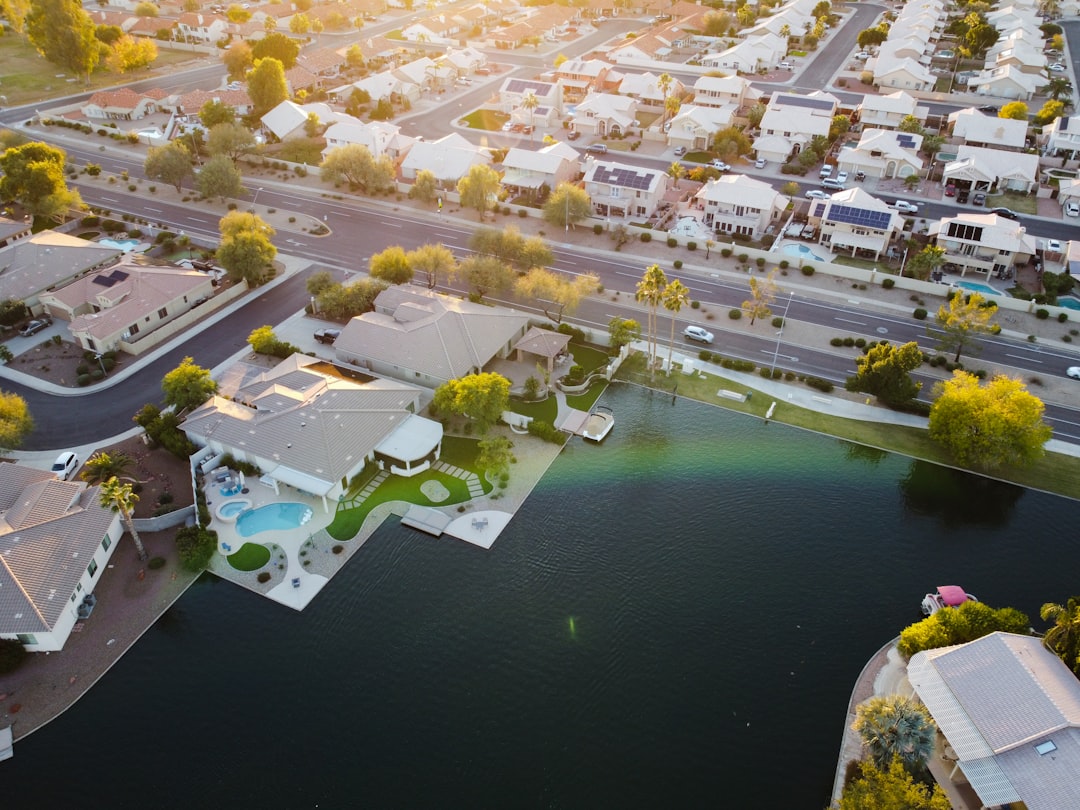
Clearwater Beach is primarily a vacation destination, characterized by its condo-dominated landscape, numerous hotels, and a constant flow of tourists. This intercoastal island is actually its own town, separate from the city of Clearwater proper, and it embodies the classic beach vacation spot.
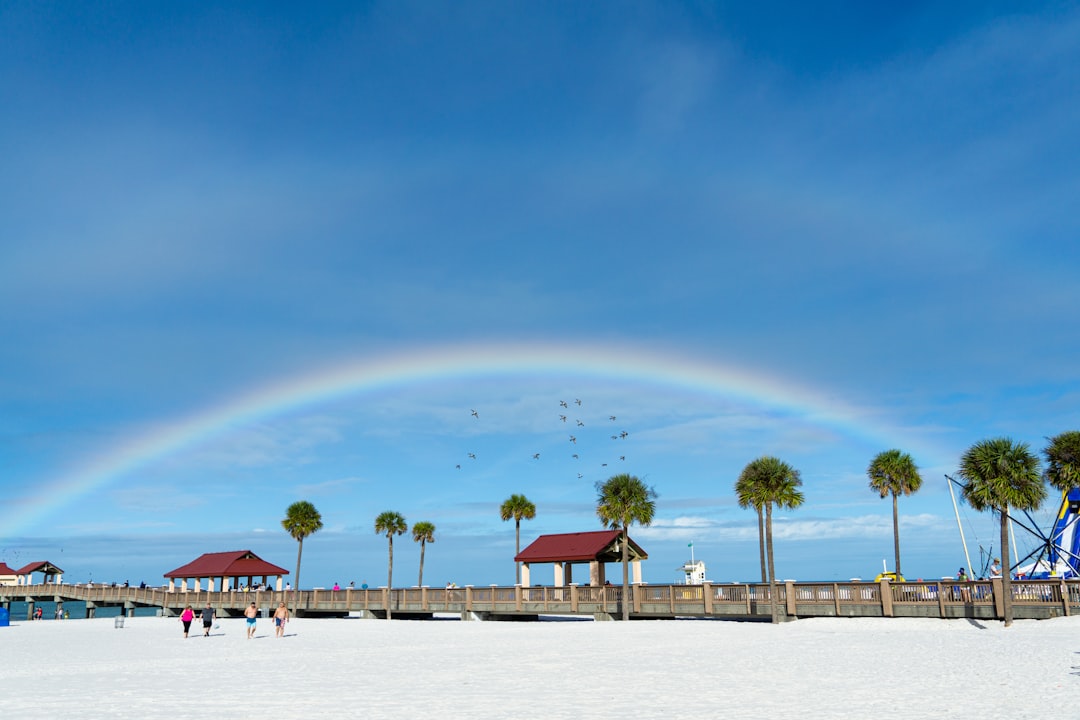
When clients express interest in living on Clearwater Beach specifically, I often explain that it’s typically not a residential-style community unless you have a multi-million dollar budget for a single-family home and prioritize privacy amidst the bustle. Most condos here are designed for short-term rentals rather than permanent residency, offering amenities more akin to a hotel. I have a client who owns two units in the Sandpearl Resort, for example, and even he can’t stay there without paying, highlighting its non-residential nature. This area is truly about the vacation experience, with most people embracing minimal attire and souvenir T-shirts.
Downtown Clearwater: The County Seat with a Unique Dynamic
Downtown Clearwater serves as the county seat for Pinellas County, making it an historically significant and administratively important area, yet it struggles to develop a vibrant, independent identity for its residents. The city itself is old, dating back to the late 1800s, and today boasts over 100,000 residents.
However, the presence of the Church of Scientology creates a truly unique dynamic in downtown Clearwater. The church owns a significant portion of the downtown core—I’m talking about 90% of the downtown core real estate. While this doesn’t necessarily cause problems, it does mean that streets like Cleveland Street, despite being somewhat busy during lunch hour, are often underutilized, with buildings only 50% occupied. This unique ownership structure prevents the area from flourishing as a typical downtown hub with diverse shops, restaurants, and entertainment venues that would attract local residents. It’s a key factor to consider when evaluating the area, and for many locals, their true “downtown” experience is found elsewhere. For those considering a move to the broader Tampa Bay area, understanding these local nuances is crucial, as explored further in Moving to Tampa 2026? You Need to Watch This First.
The “In-Between”: Clearwater’s Diverse Residential Pockets
Beyond the distinct zones of Clearwater Beach and Downtown, a large portion of Clearwater consists of diverse residential pockets, often referred to as the “in-between” areas, which frequently draw their identity from neighboring towns. With a population exceeding 100,000, Clearwater, like many large cities in the Tampa area, exhibits a wide range of housing, from affluent to lower-income, and a significant rental market.
Much of Clearwater was built in the ’50s, ’60s, and ’70s, featuring older block houses, and I’ve even seen homes dating back to the ’20s. Many of these smaller, older houses often transition into rental properties rather than remaining in the homeownership cycle. These areas, nestled between downtown and the northern or eastern edges, are predominantly renter-occupied. Residents in these parts of Clearwater often gravitate towards the downtowns and vibes of nearby Dunedin, Largo, Denita, or Safety Harbor for their community identity and amenities. This phenomenon of drawing identity from surrounding locales is a common consideration when deciding where to settle in the region, which is a topic I delve into in Close to Tampa or Far From It? Here’s How to Actually Decide.
Countryside: Where Clearwater Residents Truly Live
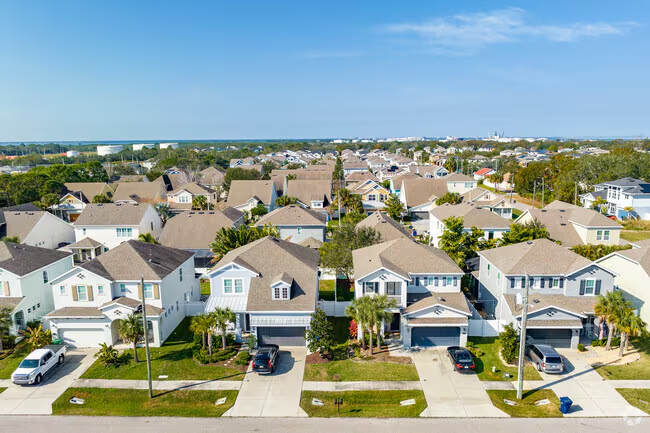
For many looking to plant roots in Clearwater, the Countryside area on the east side of the city represents the true residential heart, offering a classic suburban lifestyle with excellent amenities. This large chunk of Clearwater borders Safety Harbor and extends up to Palm Harbor, providing a distinct contrast to the more transient or commercially dominated areas.
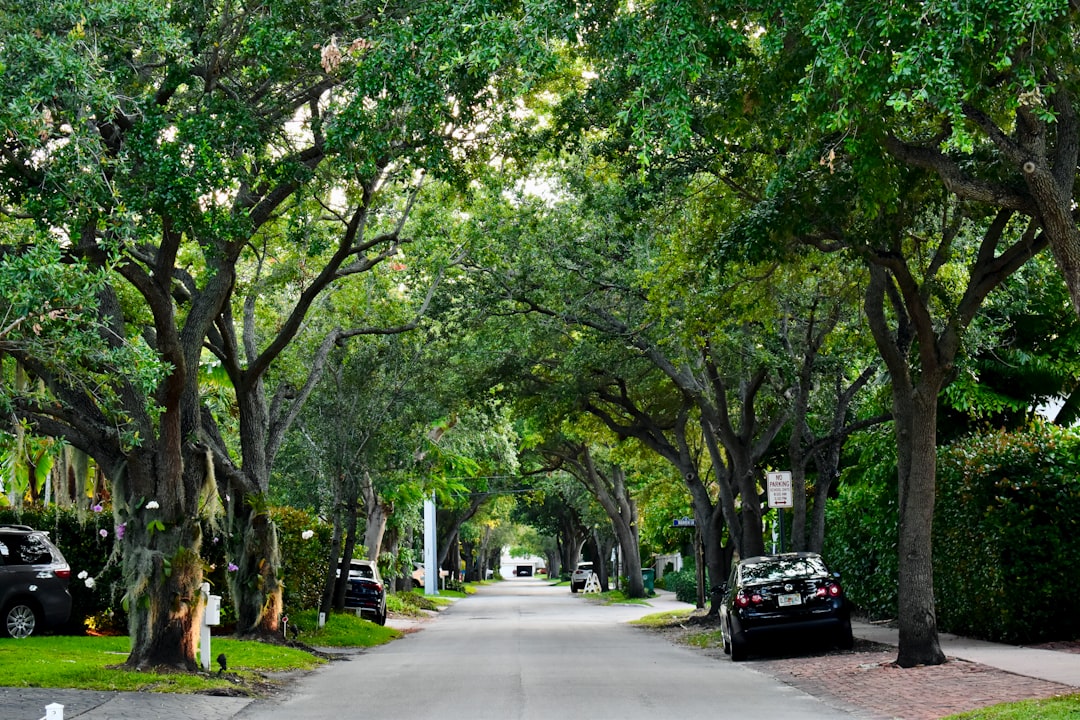
In Countryside, you’ll find a significantly higher rate of homeownership and access to better public schools, which are often key factors for families. This area is characterized by its 80s and 90s suburban aesthetic, featuring tree-lined neighborhood roads and a quiet, master-planned feeling. Here, you can expect to find the four-bedroom house with a pool and a three-car garage that many families desire. Both gated and non-gated neighborhoods exist, offering a range of housing sizes and styles, all centered around a strong neighborhood focus.
While the roads can be busier than some other master-planned communities, Countryside offers exceptional convenience. Residents are close to major job centers in Clearwater, St. Petersburg, and Tampa, and have easy access to the airport. This area provides a balanced, suburban middle ground, much like Westchase in Tampa, combining really nice houses and quiet neighborhoods with proximity to everything. The broader real estate market in Tampa Bay is always evolving, and understanding these localized dynamics, especially concerning job centers and connectivity, is crucial. You can learn more about these wider impacts in What the Rays Stadium Move Means for Tampa Bay Real Estate in 2026 & Beyond.
Key Takeaways
- Clearwater is a City of Contrasts: It encompasses the distinct, tourist-focused Clearwater Beach, a downtown heavily shaped by the Church of Scientology’s extensive property ownership, and diverse residential zones.
- Clearwater Beach is Primarily a Tourist Destination: Characterized by vacation condos and hotels, it’s generally not suited for residential living unless you have a multi-million dollar budget for a private home.
- Downtown Clearwater’s Unique Identity: As the Pinellas County seat, it holds administrative importance, but 90% of its core real estate is owned by the Church of Scientology, limiting its growth as a conventional downtown hub for local residents.
- Countryside is Clearwater’s Residential Core: This eastern suburban area offers higher homeownership rates, better public schools, and a family-friendly environment with 80s/90s style homes, pools, and easy access to job centers and airports.
Frequently Asked Questions (FAQ)
Q: Is Clearwater Beach a good place to live residentially?
A: Generally, Clearwater Beach is not ideal for residential living due to its heavy tourist focus, vacation-style condos, and high cost of single-family homes. Most properties are geared towards short-term rentals rather than permanent residency, making it more of a vacation destination than a residential community.
Q: What is the impact of the Church of Scientology on Downtown Clearwater?
A: The Church of Scientology owns approximately 90% of the downtown core real estate in Clearwater. This significant ownership impacts the area’s development by limiting commercial diversity and creating a unique dynamic where the downtown doesn’t function as a typical vibrant hub for local residents, who often seek their community center elsewhere.
Q: Where do most families choose to live in Clearwater, FL?
A: Most families seeking a traditional suburban lifestyle with good schools and higher homeownership rates tend to choose the Countryside area on the east side of Clearwater. This area offers a master-planned feel with 80s and 90s homes, quiet neighborhoods, and convenient access to job centers and amenities.
Q: How does Clearwater’s identity compare to neighboring towns?
A: Clearwater’s identity is quite fragmented; while Clearwater Beach is distinct, many residential areas within Clearwater proper often draw their community identity and preferred downtown experiences from neighboring towns like Dunedin, Safety Harbor, St. Petersburg, or Largo, as Clearwater’s own downtown struggles to serve as a central hub for locals.
—
Watch the Full Video
For more insights, watch the complete video: Clearwater
—
Making Your Move Easier
Moving forward does not have to be overwhelming. With the right guidance and support, you can navigate this journey smoothly. My team and I are ready to help you every step of the way.
Here’s how to get in touch:
📧 Email: info@livingintampafl.com
📞 Phone: (727)677-5337
💻 YouTube: Living in Tampa FL