Choosing where to live in Tampa, Florida, involves balancing key factors like lifestyle, commute, and budget. This guide breaks down specific neighborhood characteristics, compares urban and suburban living, and highlights essential considerations for anyone planning a move to the vibrant Greater Tampa area.
—
Moving to a new city is a huge decision, and after helping countless individuals and families find their perfect spot in the Tampa Bay area, I’ve learned that the right neighborhood can truly make or break your experience. Tampa, Florida, isn’t just one city; it’s a diverse tapestry of communities, each with its own unique charm, housing options, and lifestyle. Understanding these nuances is crucial, especially when the market is as dynamic as Tampa’s.
In my experience working with clients relocating to Tampa, the most common questions revolve around balancing affordability with desired amenities and commute times. The Tampa real estate market offers everything from bustling downtown condos to serene suburban havens, but knowing which one aligns with your personal priorities requires a deep dive into what each area offers. This isn’t just about finding a house; it’s about finding a home that fits your life.
In this comprehensive guide, I’ll walk you through the key factors to consider before moving to Tampa, highlight three distinct neighborhood types, compare urban versus suburban living, and share important insights you need to know before making your move. Let’s explore where to live in Tampa to find your ideal fit.
Key Factors to Consider Before Moving to Tampa
Key Factors to Consider Before Moving to Tampa has a practical answer that depends on budget, location, and household needs. This means readers can compare the tradeoff quickly before deciding whether the details fit their situation.
When I work with clients, we always start by discussing their priorities. What’s most important to you? Is it proximity to work, top-rated schools, vibrant nightlife, or quiet green spaces? Understanding these core needs helps narrow down the vast options available in the Greater Tampa Bay area. For instance, if you’re prioritizing a quick commute, you’ll want to focus on areas with excellent access to major highways or public transport, which might differ significantly from someone seeking a highly walkable neighborhood.
Unpacking Tampa’s Top Neighborhoods
Tampa offers a diverse range of neighborhoods, each with its own distinct personality and advantages. I’ve identified three types of areas that consistently appeal to different buyers, each excelling in various aspects from vibrant community vibes to practical affordability.
Neighborhood A: Vibe & Housing
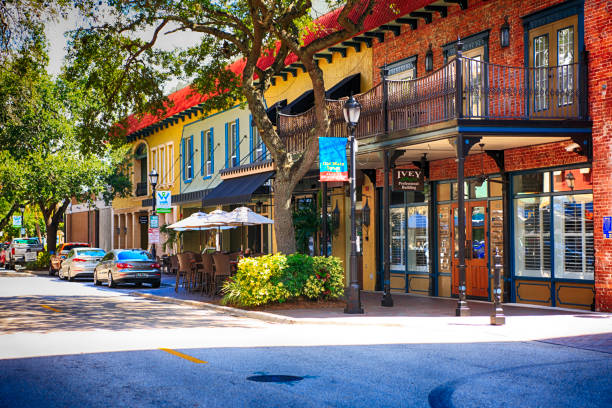
This area offers a distinct vibe characterized by its unique blend of historic charm and modern revitalization, making it appealing to those who appreciate character and community. Housing here often features a mix of beautifully preserved older homes alongside newly renovated properties, providing diverse options for different tastes and budgets.
In this neighborhood, you’ll find tree-lined streets and a strong sense of community, often with local shops, cafes, and parks that serve as gathering spots. The housing stock reflects this, with many homes showcasing architectural details from earlier eras, while others have been updated to include contemporary amenities. It’s a fantastic choice if you’re looking for a neighborhood with a story, where every street corner offers something interesting to discover.
Neighborhood B: Lifestyle & Commute
For those prioritizing an active lifestyle and efficient daily commutes, Neighborhood B stands out as an excellent choice in Tampa. This area is designed for convenience, offering residents easy access to major employment centers and a plethora of recreational activities.
Living here means less time stuck in traffic and more time enjoying what Tampa has to offer, whether it’s waterfront parks, cultural attractions, or popular dining spots. The housing options typically cater to a faster-paced lifestyle, often including modern apartments, townhomes, and smaller single-family residences that require less maintenance. This is further explored in Best Places to Live in Tampa Florida in 2026 Ranked by Cost & Commute, where you’ll learn how different areas stack up for daily living. This combination of accessibility and amenities makes Neighborhood B highly desirable for professionals and active individuals.
Neighborhood C: Affordability & Amenities
If affordability is a top priority without sacrificing essential amenities, Neighborhood C offers a compelling option within the Tampa Bay area. This community provides a more budget-friendly entry point into the market while still ensuring residents have access to quality services and conveniences.
Here, you’ll find a range of housing options that are generally more accessible than in some of Tampa’s more central or upscale areas, often including well-maintained single-family homes and townhouses. Despite the lower price point, Neighborhood C boasts a good selection of schools, parks, shopping centers, and other community resources. It’s an ideal choice for first-time homebuyers, growing families, or anyone looking to maximize their budget without feeling isolated from the city’s offerings.

Suburban vs. Urban Living in Tampa
Choosing between suburban and urban living in Tampa, Florida, involves weighing distinct advantages. Urban areas offer a fast-paced, walkable lifestyle with immediate access to amenities, while suburban communities typically provide larger homes, more space, and a quieter, family-friendly environment. Your ideal choice depends on priorities like commute, property size, and community feel.
Urban living in Downtown Tampa, a central Tampa district and surrounding core neighborhoods offers a vibrant, fast-paced environment with immediate access to dining, entertainment, and cultural attractions. You’ll often find a mix of high-rise condos, lofts, and historic bungalows, typically with smaller footprints and higher price tags per square foot. The trade-off is often a more walkable lifestyle and shorter commutes to many city jobs, but potentially less private outdoor space.
Suburban areas, on the other hand, provide a more relaxed pace, larger homes, and often more expansive yards, appealing to families and those seeking a quieter environment. These areas typically feature planned communities, excellent public schools, and a strong sense of neighborhood. While commutes might be longer, the affordability and space often outweigh the travel time for many residents. For those dreaming of coastal living, it’s important to understand the nuances; as I explain in Picking a Beach Town Near Tampa? Watch This Before You Move, beach towns near Tampa can offer a different dynamic than inland suburbs.
| Feature | Urban Living in Tampa | Suburban Living in Tampa |
|---|---|---|
| Pace of Life | Fast-paced, vibrant, energetic | Relaxed, family-friendly, quieter |
| Housing Options | Condos, lofts, historic bungalows, smaller footprints | Larger single-family homes, townhouses, planned communities |
| Cost | Higher price per square foot, often premium for location | Generally more affordable, more space for the money |
| Amenities Access | Walkable, immediate access to dining, entertainment, culture | Requires driving for most amenities, community-focused facilities |
| Commute | Shorter to downtown jobs, public transport options | Potentially longer, car-dependent |
| Green Space | Public parks, waterfront promenades | Larger private yards, neighborhood parks, nature preserves |
| Community Feel | Diverse, dynamic, often transient | Strong neighborhood bonds, family-oriented |
Important Things to Know Before Relocating to Tampa
Before relocating to Tampa, Florida, it’s crucial to understand key local nuances like the hot, humid climate and hurricane season, potential traffic congestion, and the competitive housing market. Being prepared for these factors, from insurance needs to commute planning, ensures a smoother transition and long-term satisfaction in your new home.
First, be ready for Florida’s climate. While the sunshine is a major draw, the summers are hot and humid, and hurricane season is a reality. Understanding flood zones and having proper insurance is crucial. Secondly, traffic can be a significant factor, especially during peak hours, so considering your commute is paramount. I always advise clients to do a “test drive” of their potential commute during rush hour before committing to an area. Lastly, the housing market is competitive. Having a knowledgeable local agent who understands the specific micro-markets within Tampa can make a significant difference in securing your ideal home.
Which Area Fits You Best?
Ultimately, the best place to live in Tampa is the one that aligns perfectly with your individual needs, preferences, and lifestyle. There’s no one-size-fits-all answer, as what works for a young professional might not suit a growing family or a retiree.
Urban Tampa might be right for you if you prioritize:
- A vibrant, walkable lifestyle with immediate access to dining, nightlife, and cultural events.
- Shorter commutes to downtown employment centers.
- Modern housing options like condos or lofts.
Suburban Tampa might be better if you prioritize:
- Larger homes with more private outdoor space.
- A quieter, family-friendly environment with excellent schools.
- A more affordable entry point into the housing market.
Consider your daily routine, your long-term goals, and what truly makes a place feel like home. I’m here to help you navigate these choices and find the perfect community in Tampa that you’ll love for years to come.
Key Takeaways
- Personalized Prioritization is Key: Before moving to Tampa, identify your non-negotiable factors, whether it’s commute time, school quality, or access to specific amenities, as this will guide your neighborhood search effectively.
- Diverse Neighborhood Options: Tampa offers distinct communities like Neighborhood A (historic charm, mixed housing), Neighborhood B (active lifestyle, efficient commutes), and Neighborhood C (affordability, essential amenities), catering to varied preferences and budgets.
- Urban vs. Suburban Trade-offs: Urban Tampa provides a vibrant, walkable, fast-paced environment with immediate access to city life, while suburban areas offer more space, quieter living, and often better affordability, though typically with longer commutes.
- Relocation Preparedness: Be aware of Tampa’s climate, potential traffic, and the competitive housing market; a local real estate expert can significantly streamline your home search and move.
Frequently Asked Questions (FAQ)
Q: What factors should I consider before moving to Tampa?
A: Before moving to Tampa, you should consider your desired lifestyle, daily commute, budget for housing, access to schools, and proximity to amenities like parks, dining, and entertainment, as these will significantly influence your ideal neighborhood choice.
Q: What are the best neighborhoods in Tampa?
A: The “best” neighborhoods in Tampa depend on individual priorities, but areas offering a mix of historic charm and modern revitalization (like Neighborhood A), those prioritizing an active lifestyle and efficient commutes (like Neighborhood B), and communities focused on affordability with good amenities (like Neighborhood C) are popular choices.
Q: Is suburban or urban living better in Tampa?
A: Neither suburban nor urban living is inherently “better” in Tampa; the ideal choice depends on your lifestyle preferences, with urban areas suiting those who prefer a fast-paced, walkable environment and suburbs appealing to those seeking more space, quiet, and family-friendly communities.
Q: What important things should I know before relocating to Tampa?
A: Before relocating to Tampa, it’s important to be aware of the hot and humid climate, the potential for traffic congestion, and the competitive nature of the housing market, which often benefits from the guidance of a local real estate expert.
Q: How do I choose the right area to live in Tampa?
A: To choose the right area to live in Tampa, I recommend listing your top priorities for housing, lifestyle, and commute, then exploring neighborhoods that align with those needs, potentially even test-driving commutes and visiting local spots to get a feel for the community.
—
Watch the Full Video
For more insights, watch the complete video: Where to Live
—
Making Your Move Easier
Moving forward does not have to be overwhelming. With the right guidance and support, you can navigate this journey smoothly. My team and I are ready to help you every step of the way.
Here’s how to get in touch:
📧 Email: info@livingintampafl.com
📞 Phone: (727)677-5337
💻 YouTube: Living in Tampa FL