TL;DR
Safety Harbor, Florida, offers a unique blend of small-town charm and access to the wider Tampa Bay area, but understanding its real estate market, commute times, and insurance costs is crucial. While homes range from the $300k entry level to over a million, I often recommend exploring areas just outside the immediate downtown for better value and less flood zone impact.
—
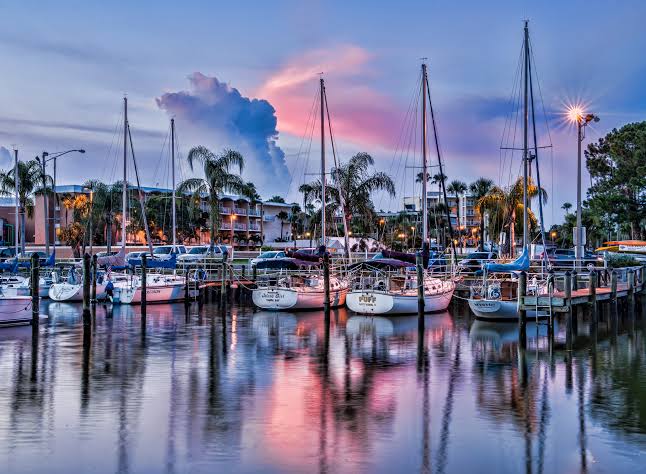
After helping numerous families navigate the dynamic Tampa Bay real estate market, I’ve learned that choosing the right community isn’t just about the house itself, but how it fits your entire lifestyle and budget. Safety Harbor, Florida, often comes up as a charming option, known for its quaint downtown and scenic waterfront.
In my experience as a licensed real estate agent with LPT Realty, LLC, I’ve seen firsthand how unique Safety Harbor is, offering a distinct vibe compared to its larger neighbors. The market here has its own nuances, from specific neighborhood characteristics to the critical considerations of Florida home insurance and flood zones.
In this guide, I’ll break down everything you need to know about living in Safety Harbor, from its location and commute times to what your money truly buys across different home tiers, and crucial insights into property taxes and insurance. You’ll learn who this charming town is perfect for, and who might find a better fit elsewhere in the Tampa Bay area.
Where is Safety Harbor, Florida, and What Are the Commute Times?
Where is Safety Harbor, Florida, and What Are the Commute Times has a practical answer that depends on budget, location, and household needs. This means readers can compare the tradeoff quickly before deciding whether the details fit their situation.
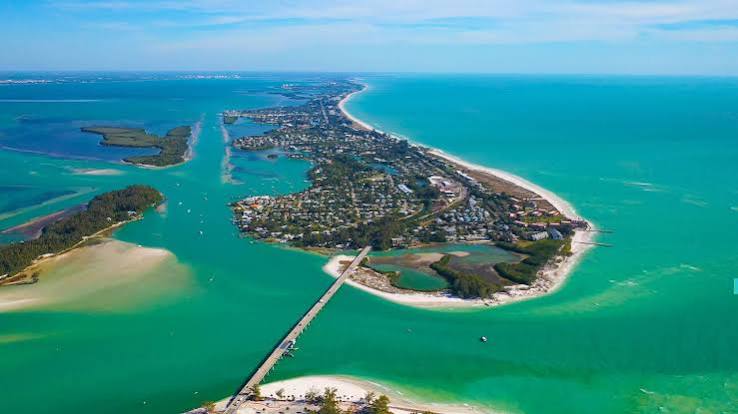
Geographically, Safety Harbor is nestled just north of Clearwater and Dunedin, directly across the bay from Tampa, Florida. This location is a significant draw for those who need to commute to the larger cities but prefer a more relaxed home base. For instance, getting to Downtown Tampa, a central Tampa district typically takes about 35 to 40 minutes, depending on traffic conditions. If your work or social life is centered in St. Petersburg, you can expect a commute of around 25 to 30 minutes. For air travel, Tampa International Airport (TPA) is conveniently accessible within 20 to 25 minutes, making frequent travel less of a hassle. These commute times are a critical factor for anyone considering a move to the area, balancing the charm of Safety Harbor with daily practicalities.
Understanding Safety Harbor Neighborhoods and Home Values
Safety Harbor’s real estate market is diverse, with homes ranging from entry-level options around $300,000 to premium waterfront estates exceeding $1 million. This broad spectrum caters to various budgets and lifestyles, but understanding the characteristics and value proposition of each tier is essential for buyers.
Entry-Level Homes (Around $300k Range)
For those looking to enter the Safety Harbor market, homes in the $300,000 range typically consist of smaller, older properties, often requiring updates. These are usually 2-bedroom, 1-bathroom or 3-bedroom, 2-bathroom homes, often built in the 1950s or 1960s, ranging from 1,000 to 1,200 square feet. While these homes offer an affordable entry point, they often come with the caveat of being in flood zones and may need significant renovations. This tier is ideal for first-time buyers or those willing to invest sweat equity, but it’s crucial to factor in potential renovation and insurance costs.
Mid-Range Homes ($500k – $800k)
The mid-range market in Safety Harbor, spanning from $500,000 to $800,000, presents a more varied selection, often featuring larger homes or those with some updates. These properties might offer 3-4 bedrooms and 2-3 bathrooms, typically ranging from 1,500 to 2,500 square feet. Many homes in this bracket are still older builds, but some may have undergone partial renovations or offer larger lots. For those considering new construction in the wider Tampa Bay area, it’s worth noting that advertised prices aren’t always the final cost, as explored in New Construction in Wesley Chapel: What They Don’t Tell You. This mid-range segment provides a good balance for families seeking more space and comfort, often with less immediate renovation needs than entry-level homes.
Premium Tier & Million-Dollar Homes
At the higher end of the Safety Harbor market, you’ll find premium and million-dollar homes, which often boast larger footprints, extensive renovations, or prime waterfront locations. These properties typically offer 4+ bedrooms, 3+ bathrooms, and often exceed 2,500 square feet, featuring modern amenities and luxurious finishes. Many of these homes are situated in desirable, non-flood zone areas or offer direct water access, which significantly impacts their value and appeal. This tier caters to buyers seeking luxury, space, and often, a specific lifestyle that includes boating or premium views. When considering such a significant investment, understanding the nuances between a beachfront condo and a waterfront home is key, as discussed in Beachfront Condo vs. Waterfront Home: Which Tampa Bay Lifestyle Fits You?.
Navigating Florida Home Insurance and Flood Zones in Safety Harbor
Understanding Florida home insurance and flood zones is absolutely critical when buying a home in Safety Harbor, as these factors can significantly impact your overall cost of ownership. This means prospective buyers must thoroughly investigate a property’s flood zone designation and obtain accurate insurance quotes early in the process.
Many homes, especially those in the entry-level and even some mid-range tiers, are located in designated flood zones. This isn’t necessarily a deal-breaker, but it does mean you’ll be required to carry flood insurance in addition to standard homeowner’s insurance. The cost of flood insurance can vary dramatically based on the specific flood zone (e.g., AE, X, VE), the elevation of the home, and its construction. I’ve seen flood insurance premiums range from a few hundred dollars to several thousand dollars annually. It’s not uncommon for a property in a high-risk flood zone to have an annual flood insurance premium of $3,000 to $5,000, which can add a substantial amount to your monthly housing expenses. Always get a specific flood insurance quote for any property you’re seriously considering.
Why I Recommend Living Outside Safety Harbor (Often)
While Safety Harbor’s charm is undeniable, I often recommend clients consider living just outside its core for a better balance of value, space, and flood zone avoidance. This means you can often find more bang for your buck and potentially lower insurance costs in neighboring communities.
Many of the homes within the immediate Safety Harbor downtown area, particularly the more affordable ones, are older and frequently fall into flood zones. This translates to higher insurance premiums and potentially more maintenance. By expanding your search just a few miles out, into areas like Oldsmar or parts of Clearwater, you can often find newer construction, larger lots, and homes situated in non-flood zones. These areas still offer excellent access to Safety Harbor’s amenities and downtown charm, without the same flood insurance burden. For example, you might find a larger, newer home for the same price as an older, smaller home in a flood zone within Safety Harbor proper. This strategy allows you to enjoy the benefits of the area while mitigating some of the common financial challenges. It’s a similar consideration to exploring areas north of Tampa for more space, as discussed in Land O’ Lakes Florida: Is It Actually Worth It?.
Property Taxes in Safety Harbor: What to Expect
Property taxes in Safety Harbor, like elsewhere in Florida, are a significant component of homeownership costs, and understanding how they’re calculated is essential for budgeting. This means new homeowners should be aware that their tax bill will likely be reassessed to market value after purchase, potentially increasing their annual payments.
Florida’s property tax system includes a “Save Our Homes” cap, which limits how much the assessed value of a homesteaded property can increase each year for existing owners. However, when a property changes hands, this cap is removed, and the home is typically reassessed to its current market value. So, if you buy a home where the previous owner had a low assessed value due to the cap, your first year’s property tax bill could be significantly higher than what the seller was paying. I always advise clients to use a property tax estimator tool, or better yet, consult with a local real estate agent or the county property appraiser’s office to get an accurate estimate for their specific purchase. This proactive approach helps avoid any surprises after closing.
Who Should Consider Living in Safety Harbor (and Who Shouldn’t)
Who Should Consider Living in Safety Harbor (and Who Shouldn’t) has a practical answer that depends on budget, location, and household needs. This means readers can compare the tradeoff quickly before deciding whether the details fit their situation.
Safety Harbor might be right for you if you prioritize:
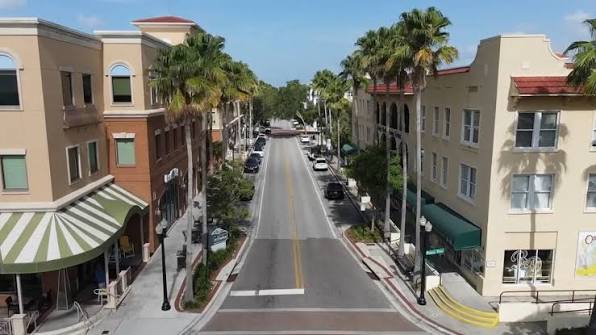
- Small-town charm and community: You love a walkable downtown with local shops, restaurants, and frequent community events.
- Waterfront access and natural beauty: You appreciate being close to the bay, parks, and scenic views.
- A slower pace of life: You prefer a quieter, more relaxed atmosphere away from the hustle and bustle of larger cities.
- Proximity to Tampa and St. Pete: You need relatively easy access to both major cities for work or entertainment but want to retreat to a peaceful home.
- Renovation projects: You’re comfortable with older homes and potentially undertaking renovations, especially in the entry-level price points.
Safety Harbor might be better to avoid if you prioritize:
- Brand new construction: While some new builds exist, the majority of the housing stock is older, particularly in the core downtown area.
- Strict budget for insurance: Many desirable areas are in flood zones, leading to higher insurance costs that can strain a budget.
- Large, modern homes at lower price points: For comparable size and newness, you might find better value just outside Safety Harbor’s immediate vicinity.
Key Takeaways
- Diverse Home Values: Safety Harbor offers homes from the $300k range for older, smaller properties to over $1 million for premium and waterfront estates, catering to a wide array of budgets and preferences.
- Crucial Insurance Considerations: Many homes, especially at lower price points, are in flood zones, necessitating additional flood insurance that can significantly impact annual housing costs, potentially adding thousands of dollars.
- Strategic Location & Commutes: The town provides convenient access to Tampa (35-40 min), St. Petersburg (25-30 min), and Tampa International Airport (20-25 min), balancing small-town living with urban connectivity.
- Value Outside the Core: I often advise clients to explore areas just outside downtown Safety Harbor for potentially better value, newer construction, and reduced exposure to flood zones, offering similar access to amenities.
- Property Tax Reassessment: New homeowners should anticipate a property tax reassessment to market value, which can lead to a higher annual tax bill than the previous owner’s, due to Florida’s “Save Our Homes” cap.
Frequently Asked Questions (FAQ)
Q: What are the commute times from Safety Harbor to major cities?
A: Commute times from Safety Harbor are generally favorable: about 35-40 minutes to Downtown Tampa, 25-30 minutes to St. Petersburg, and 20-25 minutes to Tampa International Airport.
Q: How much do homes cost in Safety Harbor, Florida?
A: Homes in Safety Harbor range significantly, with entry-level properties starting around $300,000, mid-range homes typically falling between $500,000 and $800,000, and premium or luxury homes often exceeding $1 million.
Q: What are the flood zones in Safety Harbor, Florida, and how do they affect insurance?
A: Safety Harbor has various flood zones, including high-risk areas like AE and VE, which often require mandatory and potentially expensive flood insurance in addition to standard homeowner’s insurance, sometimes costing thousands annually.
Q: Is Safety Harbor a good place to live for families?
A: Safety Harbor can be a good place for families who appreciate a tight-knit community, walkable downtown, and access to parks, though those prioritizing brand-new construction or avoiding flood zones might find better value just outside the immediate core.
Q: How are property taxes calculated for new homeowners in Safety Harbor?
A: For new homeowners in Safety Harbor, property taxes are typically reassessed to the current market value of the home after purchase, which can result in a higher tax bill than what the previous owner was paying due to the removal of the “Save Our Homes” cap.
—
Watch the Full Video
For more insights, watch the complete video: Safety Harbor
—
Making Your Move Easier
Moving forward does not have to be overwhelming. With the right guidance and support, you can navigate this journey smoothly. My team and I are ready to help you every step of the way. Sam Caudle is a licensed real estate agent with LPT Realty, LLC, license number SL3469890.
Here’s how to get in touch:
📧 Email: info@livingintampafl.com
📞 Phone: (727)677-5337
💻 YouTube: Living in Tampa FL