TL;DR
Pinellas County (FL) has developed a groundbreaking housing model, leveraging voter-approved Penny for Pinellas sales tax dollars and strategic land ownership, to create sustainable workforce housing for residents earning 80% or less of the Area Median Income (AMI). This public-private partnership approach, exemplified by projects like Bayou Court and Oasis at Bayside, offers a scalable blueprint for other regions grappling with housing affordability, ensuring long-term stability without deep subsidies.
—
If you’ve been anywhere near a closing table or rental application in Tampa Bay lately, you know the math is brutal. Housing prices, while cooling slightly, remain high. Insurance costs continue to climb, and what’s often labeled “workforce housing” frequently means moving further out from job centers, trading affordability for a soul-crushing commute.
Amidst this challenge, a D.C.-based developer, Gravel Road Partners, recently highlighted Pinellas County’s approach as a potential model for the entire country. Their innovative strategy isn’t just building units; it’s building a sustainable framework for housing those who make our communities run – teachers, county employees, restaurant managers, and healthcare workers.
What exactly did Pinellas County (FL) figure out that other regions are still struggling with? Let’s dive into the details.
How the Pinellas County Affordable Housing Model Works
Pinellas County (FL) funds affordable housing by utilizing Penny for Pinellas sales tax dollars and public-private partnerships for projects targeting individuals earning 80% of the Area Median Income (AMI) or less. These funds are specifically allocated to ensure housing projects remain accessible. This means more teachers and first responders can afford to live where they work.
The core of this innovative housing model lies in redirecting a portion of the voter-approved Penny for Pinellas sales tax. This same penny funds critical infrastructure like roads and storm water projects, but a strategic allocation is now addressing the pressing need for attainable housing.
This isn’t about creating housing for the lowest income brackets, but rather for the vital workforce that often struggles in competitive markets. We’re talking about the people who keep our schools, hospitals, and local businesses thriving.
Key Projects Showcasing Pinellas’s Success
Pinellas County (FL) demonstrates its housing model’s success through partnerships with developers like Gravel Road Partners, bringing crucial workforce housing units to market. The Bayou Court project in St. Petersburg (FL) delivered 60 units, prioritizing school district and municipal employees. This means targeted public investment can efficiently address local staffing shortages and housing needs.
Let’s look at three examples from Gravel Road Partners, a D.C.-based developer recognized for its role in these initiatives:
Bayou Court (St. Petersburg, FL): This 60-unit complex, opened last year, was originally slated for market-rate apartments. Pinellas County (FL) invested $2.8 million, with the City of St. Petersburg (FL) adding $2.74 million. The result? A mix of units priced for 50%, 80%, 100%, and 120% AMI, with priority given to employees of the Pinellas County School District (PCCSD) and municipal workers. What truly stands out is that the project came in under budget*, and Gravel Road Partners returned the unused public funds to the Penny for Pinellas pool – a reported first for St. Petersburg (FL).
- Oasis at Bayside (Largo, FL): This ambitious 16-acre, 300-unit complex initially had no affordability restrictions. Pinellas County (FL) stepped in with a $12.16 million investment, taking ownership of the land. This land ownership strategy is a game-changer, as it ensures affordability restrictions are permanent, rather than expiring after the typical 15-year period.
- Sixty90 (6090 Central Ave, St. Petersburg, FL): A 204-unit project in west St. Petersburg (FL) that had been stalled since 2020. Gravel Road Partners acquired the site, and with Pinellas County (FL) approving $6.71 million in funding, the project is now set to break ground. This demonstrates the model’s ability to revitalize dormant developments and bring much-needed inventory online.
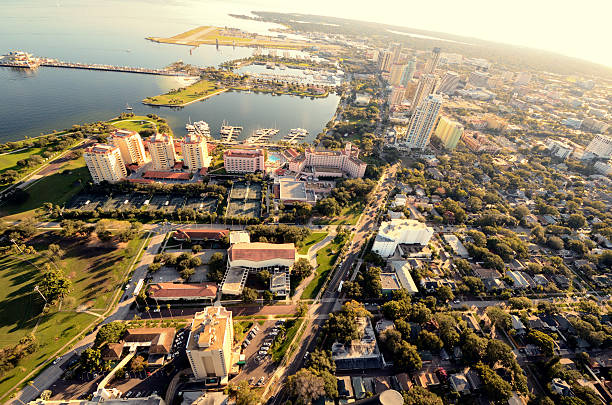
Pinellas County Land Ownership Housing: The Lever for Lasting Affordability
Pinellas County (FL) ensures lasting affordability by taking direct ownership of the land for affordable housing projects. This prevents affordability restrictions from expiring after typical 15-year periods, as seen with Oasis at Bayside. This means units remain accessible to workforce residents for generations, providing stable housing solutions that withstand market fluctuations.
This is perhaps the most intriguing aspect of the Pinellas housing model. When the county owns the land, it fundamentally alters the dynamic of affordability. Typically, affordable housing projects come with deed restrictions that expire after a set period, often 15 years. Once those restrictions lift, the units can revert to market rate, undermining the initial goal.
By owning the dirt, Pinellas County (FL) effectively becomes a perpetual steward of affordability. This ensures that the public’s investment continues to serve the community’s needs for the long haul, creating truly sustainable workforce housing solutions.
Why Pinellas’s Approach Matters for Your Tampa Bay Investment
Pinellas County’s (FL) proactive housing strategies offer a significant long-term advantage for property owners and potential buyers in the Tampa Bay area. The Tampa Bay Economic Development Council (2023) notes that attracting and retaining a skilled workforce is crucial for regional growth. This means a stable workforce, supported by attainable housing, underpins a robust local economy and sustained property values.
What does this mean for you, whether you’re a current homeowner, a prospective buyer, or an investor in the Tampa Bay region?
- Scalable Solutions: These are not solely government projects but robust public-private partnerships. Developers still need to achieve a return, which is why the model works for 80% AMI and scales beyond deep-subsidy housing. This means more projects, more quickly.
- Permanent Affordability: The county’s role in land ownership is a powerful lever. Watch for more projects adopting this structure countywide, ensuring that affordability doesn’t just last until the ribbon-cutting, but for generations.
- Regional Disparity: Pinellas County (FL) is actively pursuing these solutions, while Hillsborough County (FL) and Pasco County (FL) are largely not. This creates a distinct difference in how the workforce base will be supported and retained over the next decade, potentially impacting local economies and property markets.
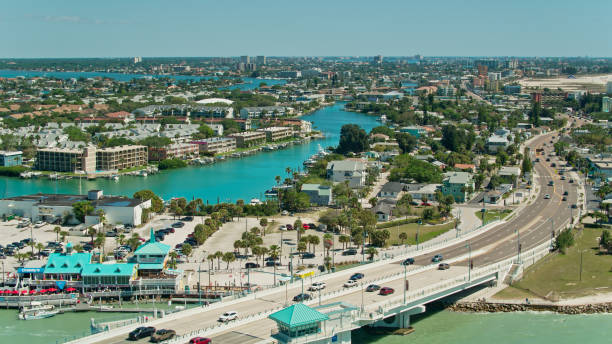
Should You Invest in Pinellas vs. Neighboring Counties?
Investing in Pinellas County (FL) might be right for you if you prioritize:
- Long-term economic stability: A supported workforce leads to a more resilient local economy.
- Sustainable community growth: Housing initiatives foster a diverse and stable resident base.
- Innovation in public-private partnerships: Pinellas is actively solving complex problems with scalable models.
- Permanent affordability measures: County land ownership ensures lasting impact on housing costs.
Investing in Hillsborough County (FL) or Pasco County (FL) might be better if you prioritize:
- More traditional market dynamics: Less direct government intervention in housing supply.
- Newer, master-planned communities: Often found in rapidly expanding suburban areas.
- Specific commute patterns: Depending on your job location, these counties might offer closer proximity.
Key Takeaways
- Penny for Pinellas Funds Workforce Housing: Pinellas County (FL) strategically allocates a portion of its voter-approved Penny for Pinellas sales tax to fund housing projects for residents earning 80% AMI or less, directly addressing the critical need for attainable housing for essential workers. This means a direct public investment is creating tangible housing solutions without relying on deep subsidies.
- Permanent Affordability Through Land Ownership: The county’s innovative model involves taking ownership of the land for certain projects, such as Oasis at Bayside in Largo (FL), which ensures affordability restrictions do not expire after the typical 15-year period. This guarantees long-term housing stability and protects public investment for future generations.
- Scalable Public-Private Partnerships: Pinellas County (FL) fosters partnerships with private developers like Gravel Road Partners, demonstrating that a return on investment is still possible while delivering workforce housing. This model, as seen with Bayou Court in St. Petersburg (FL), makes the solution scalable and attractive for developers, accelerating the creation of new units.
- Regional Advantage for Long-Term Hold: Pinellas County’s (FL) proactive approach to housing stability offers a distinct advantage over neighboring Hillsborough County (FL) and Pasco County (FL), which have not implemented similar models. This commitment to a stable workforce base could make Pinellas a more attractive long-term investment for property owners and businesses.
Frequently Asked Questions (FAQ)
Q: How does Pinellas County fund affordable housing?
A: Pinellas County (FL) funds affordable housing primarily through a portion of its voter-approved Penny for Pinellas sales tax, allocating these funds to public-private partnerships that support workforce housing initiatives. This strategic use of local sales tax dollars allows the county to bridge financial gaps for projects targeting specific Area Median Income (AMI) levels.
Q: What is the Pinellas County housing model?
A: The Pinellas County (FL) housing model is a public-private partnership approach that uses Penny for Pinellas sales tax dollars to subsidize housing projects for individuals earning 80% of the Area Median Income (AMI) or less, often incorporating county land ownership to ensure permanent affordability. This model focuses on creating sustainable housing for essential workers like teachers and county employees.
Q: Do affordability restrictions expire on housing projects?
A: Typically, affordability restrictions on housing projects expire after a set period, often 15 years, allowing units to revert to market rates; however, Pinellas County’s (FL) innovative model of county land ownership prevents these restrictions from expiring, ensuring permanent affordability for its projects. This land trust approach safeguards the long-term intent of workforce housing.
Q: How does land ownership affect affordable housing?
A: Land ownership by the county significantly affects affordable housing by allowing for permanent affordability restrictions on properties, as the county’s control over the land prevents units from reverting to market rates after a typical expiration period. This strategy ensures that public investment in housing benefits the community indefinitely and provides long-term stability for residents.
Q: What is Penny for Pinellas used for?
A: Penny for Pinellas is a voter-approved sales tax primarily used for critical infrastructure projects such as roads, storm water management, and public facilities, but a portion is now strategically allocated by Pinellas County (FL) to fund affordable and workforce housing initiatives. This dual-purpose funding mechanism addresses both infrastructure needs and community housing challenges.
Conclusion
Pinellas County (FL) is actively implementing a dynamic, scalable solution to the housing crisis by leveraging its Penny for Pinellas sales tax and county land ownership. This model has already delivered projects like Bayou Court, which provided 60 units for workforce housing. This means Pinellas is creating a long-lasting model that could genuinely reshape how communities tackle housing challenges. This isn’t a silver bullet for Tampa Bay’s housing woes, but it’s arguably the most thoughtfully structured, long-lasting local effort we’ve seen. For anyone invested in the future of the Tampa Bay area, Pinellas County’s innovative approach offers a compelling reason to pay close attention.
Thinking about a move, or wondering how these developments might impact your neighborhood’s numbers? Reach out. Happy to walk through it with you, no pitch, just insights.