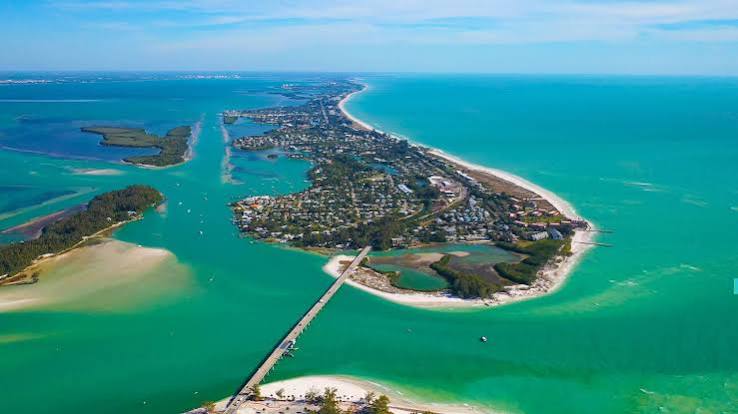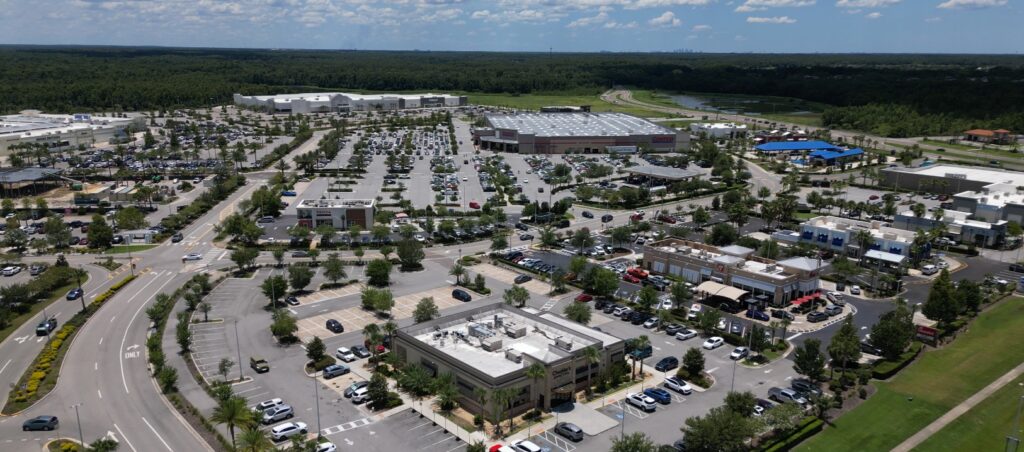
TL;DR
Moving to Tampa Bay means navigating five very different zones, each with unique vibes, costs, and considerations. I’ll reveal the true cost of living, crucial warnings about flood zones and insurance, and help you determine which area truly aligns with your lifestyle and budget, so you don’t get blindsided.
—
After helping numerous clients navigate their move to Florida, I’ve seen firsthand how easily people get blindsided by Tampa Bay. Choosing the right one of the 5 distinct Tampa neighborhoods isn’t just about sunshine and beaches; it’s about avoiding unexpected costs and finding a lifestyle that truly fits you.
The Tampa Bay area, encompassing four counties and over 10 towns with populations exceeding 100,000, offers diverse options from urban centers to growing exurbs. However, what feels affordable on paper can quickly change with rising insurance costs and property taxes. I’ve heard countless stories from clients who moved here only to realize the fixed costs were higher than anticipated, sometimes even forcing them to reconsider their move.
So, how do you choose the right zone in this expansive region? What are the true costs of living here? And what are the crucial warnings nobody tells you before you arrive? In this guide, I’ll walk you through Tampa Bay’s five zones, detail the real cost of living, share essential warnings about flood zones and insurance, and finally, help you determine if Tampa Bay is truly the right place for you.
Understanding Tampa Bay’s Five Distinct Zones
Tampa Bay is a vast metropolitan area, not just the city of Tampa, offering a diverse array of lifestyles across its five primary zones. Each zone has its own unique character, housing options, and set of pros and cons.
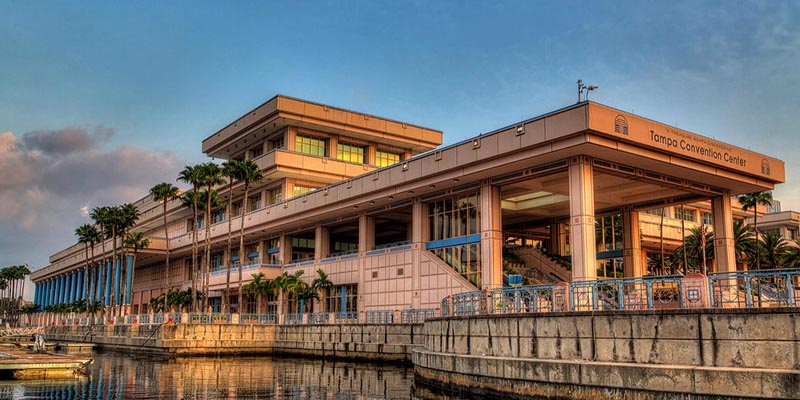
Zone 1: Urban Core – Tampa City
Tampa City, including downtown, South Tampa, Seminole Heights, and Tampa Heights, is the urban heart of the region, characterized by a young professional vibe and a mix of old and new development. This area is known for its walkability, vibrant downtown, Westshore business district, Hyde Park’s charm, and the burgeoning Tampa Heights. With major stadiums for the Buccaneers and Lightning, there’s always a lot of life, but also an industrial side near the port. While it boasts some excellent schools and family-friendly areas, the overall atmosphere leans towards urban living.
Zone 2: Arts & Culture Hub – St. Petersburg
St. Petersburg, often mistakenly lumped in with Tampa, is a distinct city with its own vibrant identity, renowned for its amazing waterfront, diverse museums, and thriving arts and culture scene. You’ll find charming homes and beautiful neighborhoods here, though as I always advise clients, it’s crucial to be aware of potential flood zones and the varying ages of homes, which can impact insurance costs. St. Pete offers a unique community highly involved in its cultural offerings, making it a compelling choice for those seeking an active, artistic lifestyle.
Zone 3: Coastal & Family-Friendly – Clearwater, Dunedin & Palm Harbor
Central and North Pinellas County, encompassing Clearwater, Dunedin, and Palm Harbor, serves as a major anchor for the Tampa Bay area, offering a coastal, beachy lifestyle with diverse housing options. As you move north towards Dunedin and Palm Harbor, the atmosphere shifts to a quieter, more family-focused suburban vibe, even in older neighborhoods. This area is ideal for those seeking beach access and established communities. For a deeper dive into this specific area, I recommend checking out Clearwater Florida Neighborhoods Explained — Which Area Is Right for You?, which details the distinct personalities of Clearwater itself.
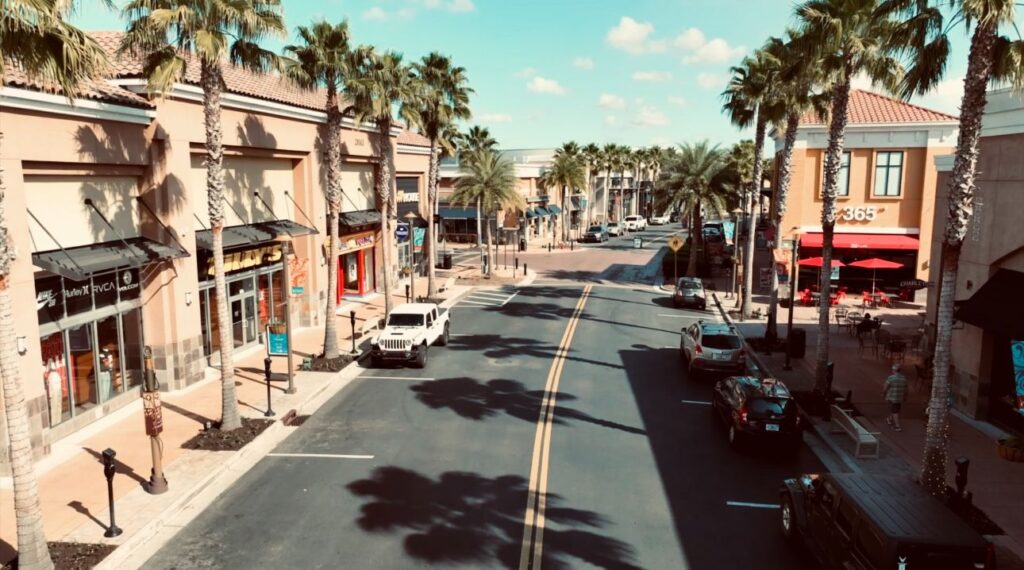
Zone 4: New Suburban Growth – Wesley Chapel & North Tampa
Pasco County’s newer suburbs, including Wesley Chapel, Land O’ Lakes, Lutz, and Odessa, are characterized by new construction and a strong family orientation. These areas offer a modern, manicured suburban feel with abundant shopping, ranging from high-end to everyday necessities. Wesley Chapel often gets the most attention, but all these communities share a similar, growing suburban aesthetic. If you’re looking for spacious, newer homes and a family-centric environment, this zone is a strong contender.
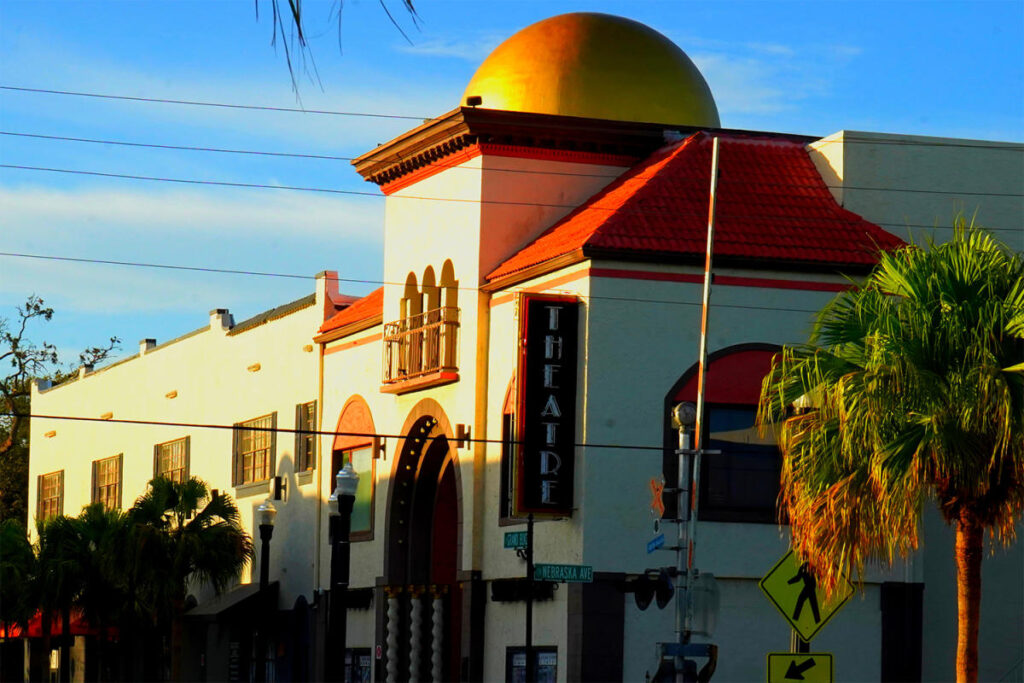
Zone 5: Value & Opportunity – Riverview, Brandon & New Port Richey
These areas, located on opposite sides of the Tampa Bay area, offer a mix of older charm and growing opportunity, making them generally more affordable. New Port Richey has a historic downtown, while Brandon and Riverview are rapidly developing. Housing here often consists of homes 10-20 years old, providing unique opportunities. The trade-off for this affordability is typically a longer commute to major work centers in Tampa, with traffic in areas like Brandon and Riverview being particularly challenging during rush hour.
Tampa Bay Zones at a Glance
| Zone | Vibe & Key Features | Typical Housing | Walkability | Commute | Affordability (Relative) |
|---|---|---|---|---|---|
| Tampa (Urban Core) | Young professional, urban, active downtown, stadiums, character | Older homes, some new, diverse | High | Central | High |
| St. Petersburg | Arts, culture, museums, waterfront, charming | Charming homes, varied age, watch for flood zones | Moderate to High | Good | High |
| Clearwater, Dunedin & Palm Harbor | Coastal, beachy, diverse, family-focused, quiet suburban | Varied, family-oriented | Low to Moderate | Moderate | Moderate to High |
| Wesley Chapel & North Tampa | New construction, family-oriented, manicured suburbs, shopping | Newer homes, master-planned communities | Low (zero) | Long | Moderate |
| Riverview, Brandon & New Port Richey | Older, opportunity, growing, affordability | 10-20 year old homes, some older downtowns | Low | Long (heavy traffic in Brandon/Riverview) | Low to Moderate |
The Real Cost of Living in Tampa Bay
The cost of living in Tampa Bay, while once perceived as an affordable haven, now aligns closely with the national average, making it essential to understand the true financial picture before moving.
Home Prices: Beyond the National Average
While the national average home price hovers around $350,000, and Tampa Bay’s average is slightly higher at $375,000-$380,000, this figure can be misleading. Most of my clients seeking a four-bedroom house with a pool near good schools are typically looking in the $700,000 to $900,000 range. The “affordable safe haven” narrative from 2020-2021 no longer holds true, with many clients finding it challenging to afford living here long-term.
The Two Buckets of Home Insurance
When considering homeownership in Tampa Bay, you must account for two distinct types of insurance: homeowners (hazard) insurance and flood insurance. Homeowners insurance covers perils like hurricanes and wind damage, but it explicitly excludes rising water. That’s where flood insurance comes in – it protects against water intrusion from storms, rain, or clogged gutters. Insurance costs here can be highly variable; I’ve personally seen policies range from $2,500 to $10,000 annually for houses of similar age, depending on factors like flood zone exposure and claims history. To make an informed decision, especially if you’re eyeing coastal properties, I highly recommend watching Before You Buy a Waterfront Home in Tampa Bay, Watch This which offers invaluable insights into the unique challenges and considerations of waterfront living.
Property Taxes: No State Income Tax, But…
Florida famously has no state income tax, which is a major draw for many. However, this often comes with a trade-off: property taxes in Tampa Bay are generally higher than the national average, sometimes reaching close to 1.8% in Hillsborough County. For new construction with a Community Development District (CDD) fee, this can even push towards 2%. While the homestead exemption can prevent rapid growth in your property tax bill once established, your initial tax bill can still be substantial. I’ve had clients moving from high-tax states like New Jersey find that their overall tax burden isn’t significantly cheaper here, as the property tax increase can offset the lack of state income tax.

Critical Warnings Before You Move to Tampa Bay
Before making a significant financial decision, it’s crucial to be aware of certain realities in Tampa Bay that are often overlooked in relocation discussions.
Warning 1: Navigating Flood Zones
Understanding flood zones is paramount, as they directly impact insurance costs and future risks, and they are not static. While avoiding flood zones might seem straightforward, maps can change, and even properties in designated flood zone X (where flood insurance isn’t required) can have a history of flooding. My top advice is to generally avoid buying in a flood zone, especially a non-elevated house. Even being adjacent to a flood zone carries risk due to potential remapping or severe storms. It’s vital to dig deep into a property’s flood history, as some details extend beyond what even I can initially find as your agent. When my team helps clients, we always get insurance quotes upfront to ensure full transparency on these crucial fixed costs.
Warning 2: Unpredictable Insurance & Taxes
The fixed costs of homeownership in Tampa Bay – specifically insurance and property taxes – can be shockingly unpredictable and rise significantly over time. I’ve personally experienced a home’s insurance premium jump from $4,000 to $10,000 annually in just five years, even as taxes decreased. Another common surprise for buyers is property tax reassessment: a house with a homestead exemption might have a low tax bill the year you buy it, only for it to potentially double the next year based on new assessments. This is easily preventable with upfront research but often blindsides new homeowners. Beyond individual property changes, the insurance market itself can be volatile; carriers like Frontline, which once offered the best prices, are now non-renewing policies, forcing homeowners to find new, potentially more expensive coverage. For more on the dynamics of the Tampa Bay real estate market, including issues like flooding and the broader implications for homeowners, consider watching People Leaving Tampa, South Tampa Flooding, and Rays Stadium Vote.
Warning 3: The Suburb Fit and Commute Reality
Choosing the right suburb requires a deep understanding of how it fits your lifestyle, especially concerning amenities and commute times. For instance, Wesley Chapel offers abundant amenities and new construction but is quite far from the beach, making beach trips infrequent. Conversely, areas like Trinity or Palm Harbor are much closer to the coast but can feel more congested. Then there’s the commute from places like Brandon and Riverview: I often suggest clients experience rush hour traffic there firsthand during their visit because it can be notoriously bad with limited routes into Tampa. Finding the right suburb means balancing these factors with your priorities for fun and convenience.
Is Tampa Bay Right For You?
Deciding if Tampa Bay is the right place for you involves weighing its unique advantages against its specific challenges.
Tampa Bay is for you if…
- You’re leaving a high-tax state: If you’re relocating from a state with high income taxes and regulations, Florida’s lack of state income tax can offer significant savings, even with higher property taxes.
- You seek warm weather without Miami’s extremes: Tampa Bay provides warm weather for most of the year. If Miami feels too hot or expensive, Tampa offers a similar climate with a different vibe.
- You work remotely or have a secured job: Coming to Tampa Bay with a remote job or a pre-arranged transfer is ideal. Randomly seeking a job upon arrival is something I haven’t seen work out well for clients.
- You want big-city amenities near the beach: Unlike some beautiful but isolated beach towns in Florida, Tampa Bay offers stunning beaches alongside major city attractions, international airports, and professional sports venues for games and concerts.
Tampa Bay is NOT for you if…
- You desire a super walkable urban experience: While there are walkable pockets in Tampa and St. Pete, they are few and come with a significant premium. The region is largely car-dependent.
- You’re already stretching your budget: With rising fixed costs like insurance, property taxes, and general inflation (including rent and groceries that have topped national increases in recent years), Tampa Bay is not a budget-friendly escape. As I’ve seen, “I can’t really afford to live here anymore” is a real concern for some.
- You’re sensitive to prolonged heat: From May to Halloween, Tampa Bay experiences intense heat and humidity. As I often hear, “Wow, this drags on. I feel like I have to hide inside.” If you don’t have a strategy to cope with or escape the heat, it can become a significant challenge.
Key Takeaways
- Tampa Bay offers diverse lifestyles across 5 distinct zones, from the urban core of Tampa to the new suburban growth of Wesley Chapel and the coastal charm of Clearwater. Choosing the right zone is crucial for lifestyle fit.
- The cost of living aligns with the national average, but home prices are higher in practice. While the median home price is around $375,000-$380,000, most clients seeking family homes are spending $700,000-$900,000.
- Fixed costs like home insurance and property taxes are significant and can be unpredictable. Homeowners insurance (including hurricane coverage) and flood insurance are separate, and policies can fluctuate wildly, with some experiencing increases from $4,000 to $10,000 annually.
- Flood zones are a critical consideration, as they impact insurance and can change. Even non-flood zones (X zones) can have a history of flooding, necessitating thorough due diligence beyond standard agent checks.
- Commute times and suburb fit are crucial for daily satisfaction. Areas like Brandon and Riverview offer affordability but come with notoriously challenging rush hour traffic into Tampa, while Wesley Chapel offers amenities but is far from the beach.
Should You Move to Tampa Bay?
Tampa Bay might be right for you if you prioritize:
- Leaving a high-tax, high-regulation state seeking tax advantages.
- Warm weather for most of the year, finding Miami too extreme or expensive.
- Having a remote job or secured employment in the area before moving.
- Being close to both beautiful beaches and major city amenities like international airports and sports venues.
Tampa Bay might NOT be for you if you prioritize:
- A super walkable urban experience without paying a significant premium.
- A tight budget, as fixed costs like insurance and taxes can be unpredictable and rising.
- Avoiding intense heat and humidity for extended periods, from May to Halloween.
- Finding an exceptionally affordable “safe haven” compared to national averages, as costs are often in line or higher.
Frequently Asked Questions (FAQ)
Q: What are the biggest hidden costs when moving to Tampa Bay?
A: The biggest hidden costs are often related to homeownership: specifically, the unpredictable and potentially high costs of home and flood insurance, as well as property taxes. While Florida has no state income tax, property taxes can be higher than the national average, and they can reassess significantly after a home sale, even doubling in some cases if a homestead exemption was previously in place.
Q: How do flood zones impact homeownership in Tampa?
A: Flood zones directly impact whether you’re required to carry flood insurance, which is separate from homeowners insurance. Buying in a flood zone generally means higher insurance costs, and even properties not in a designated flood zone (Zone X) can have a history of flooding. It’s crucial to investigate a property’s elevation and flood history, as flood maps can also change over time, affecting future insurance requirements.
Q: Is Tampa Bay generally an affordable place to live compared to other major U.S. cities?
A: While Tampa Bay once felt like an affordable escape, its cost of living now aligns with the national average, and in some aspects, it’s even higher. Home prices for desirable properties can easily reach $700,000-$900,000, and fixed costs like insurance and groceries have seen some of the highest increases in the U.S. in recent years, making it less of an affordable haven than many anticipate.
Q: What’s the commute like from the more affordable zones into Tampa?
A: Commutes from more affordable zones like Riverview, Brandon, or New Port Richey can be significant. Brandon and Riverview, in particular, are known for heavy rush hour traffic due to limited routes into Tampa, making daily commutes challenging. Wesley Chapel also involves a longer commute, though it’s generally more predictable. It’s advisable to test these commutes during peak hours if you’re considering these areas.
Q: Is the heat in Tampa Bay really that bad?
A: Yes, the heat in Tampa Bay is a significant factor. From May straight through to Halloween, it’s consistently hot and humid. Many residents, even those born and raised here, find the extended summer months challenging, often feeling the need to stay indoors or find ways to escape the heat. It’s a long season, and you need a strategy to cope with it if you’re not accustomed to prolonged tropical temperatures.
—
Watch the Full Video
For more insights, watch the complete video: Tampa Neighborhoods: Which One Is Actually Right for You?
—
Making Your Move Easier
Moving forward does not have to be overwhelming. With the right guidance and support, you can navigate this journey smoothly. My team and I are ready to help you every step of the way.
Here’s how to get in touch:
📧 Email: info@livingintampafl.com
📞 Phone: (727)677-5337
💻 YouTube: Living in Tampa FL