TL;DR
Investing in Vacation Homes Tampa for short-term rentals offers significant income and tax benefits, but location and strategy are crucial. We’ll guide you through legal areas like Largo and Seminole, reveal powerful tax strategies like cost segregation, and highlight the critical steps to ensure your Airbnb investment thrives, not just survives.
—
After helping countless clients navigate the dynamic Tampa Bay real estate market, we’ve learned that investing in vacation homes in Tampa for short-term rentals can generate significantly more income than traditional long-term leases, often doubling or even tripling monthly revenue. We’ve seen average short-term rentals pull in $5,000-$7,000 per month, compared to just $2,500 for long-term options. This isn’t just about higher nightly rates; it’s about optimizing every aspect of the investment.
In our experience as real estate advisors, we’ve guided numerous investors, from local physicians to high-income executives, through the complexities of the short-term rental market here. The landscape has evolved rapidly, especially with Florida’s 2024 law preventing cities from making STR rules more restrictive than they already are, creating both opportunities and challenges. Our two years of focused work in this niche have given us a clear understanding of what works and what doesn’t.
This comprehensive guide will explore the specific areas where short-term rentals are legally allowed, delve into advanced tax strategies that can save you tens of thousands, and outline the critical warnings to heed before you buy. We’ll also cover the profitability formula most investors miss. So, if you’re ready to unlock the full potential of vacation homes in Tampa, let’s dive into the details.
Why Invest in Short-Term Rental Investments Tampa Bay?
Clients choose to buy short-term rentals in the Tampa Bay area for three primary reasons: running a profitable business, leveraging significant tax benefits, or enjoying a partially funded vacation home. Each approach has its nuances, but the underlying goal is always to maximize the return on investment over the long term.
First, many investors treat their short-term rental as a dedicated business. This involves meticulously managing occupancy rates, optimizing nightly pricing, and constantly enhancing the guest experience to secure top reviews. Better reviews lead to higher rankings on platforms like Airbnb and VRBO, which in turn drives more bookings and allows for incremental price increases, ultimately maximizing profit. As we’ve seen, this focus on the guest leads to sustainable growth and appreciation of the property itself, allowing owners to build equity or expand their portfolio.
Second, the tax benefits vacation homes Florida offer are a huge draw. Beyond simply writing off passive income, there are advanced strategies that can significantly reduce an investor’s overall tax liability. We’ve seen clients save substantial amounts, sometimes tens of thousands of dollars, in year one alone. This often involves specific IRS qualifications and professional tax planning, which we’ll explore in detail. For high-income earners, these benefits can be a game-changer.
Finally, some clients seek a hybrid model: a partially funded vacation home. They desire a place in Florida for personal use but want the rental income to offset expenses. While this can work, it often requires a delicate balance between personal enjoyment and guest experience optimization. Without a co-host or a clear strategy, maximizing for personal use can sometimes compromise profitability and tax benefits. We often see clients eventually gravitate towards either full-time business operation or purely personal use as they gain experience.
Where Are Airbnb Rentals Tampa Bay Area Legally Allowed?
Finding the right location is paramount for successful Airbnb rentals in the Tampa Bay area. While the state of Florida prevents cities from enacting more restrictive short-term rental rules, local regulations and Homeowners Associations (HOAs) can still present significant hurdles. We always advise clients to avoid HOAs unless explicitly verified, as 90% of them prohibit short-term rentals.
When looking for areas where STRs are openly allowed and supported by a clear permitting process, we focus on specific regions. These are places where you can file forms, undergo inspections (checking for adequate parking and safety), pay hotel taxes, and operate legally. Sticking to these areas is the safest bet, especially for out-of-town investors, to avoid potential shutdowns and financial losses.
Pinellas County Short-Term Rental Hotspots
In Pinellas County, several areas stand out for their short-term rental friendliness:
- Largo: Located just south of Clearwater, Largo is a prime area for short-term rentals, offering beach access and properties typically ranging from $350K to $600K. As detailed in New Port Richey Florida is NOT What You Think., understanding local nuances is key to finding the right fit.
- Seminole: This area also openly allows STRs, particularly beachfront properties which can range from $450K to over $800K. It’s a popular choice for those seeking direct beach access.
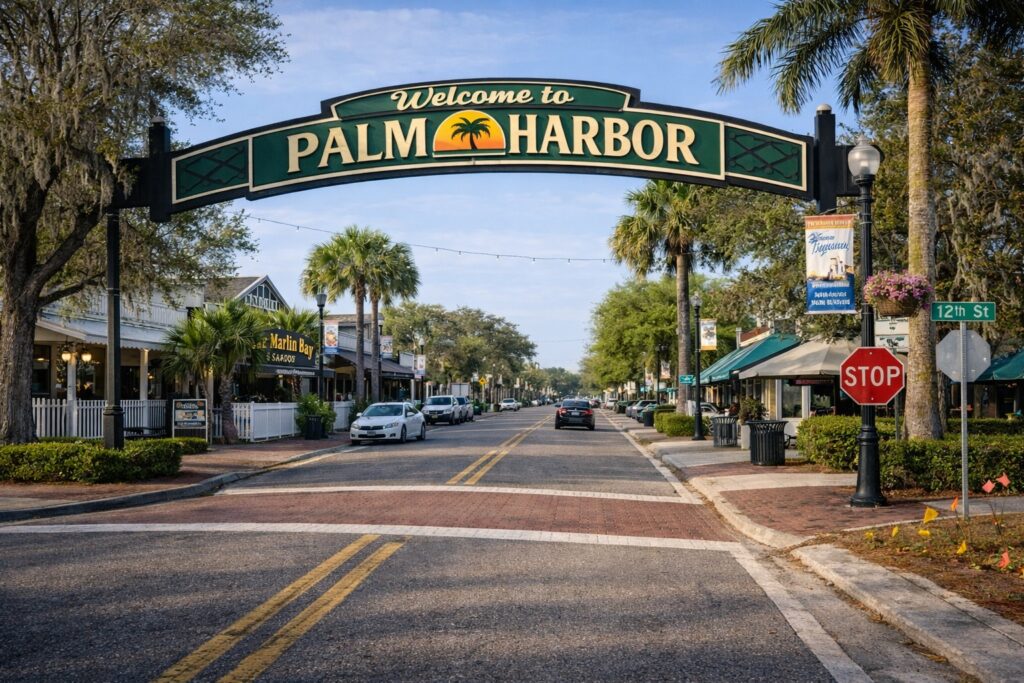
- Unincorporated Pinellas County: Many areas within Clearwater and St. Petersburg that are unincorporated fall under county management, which generally allows short-term rentals. This includes pockets around the southwest of Clearwater and the north/east side of the city. Palm Harbor also allows STRs in its unincorporated areas, though HOAs are prevalent there, requiring careful navigation.
It’s important to note that while some areas of St. Petersburg allow STRs, they often come with a 30-day minimum stay requirement. While some investors might try to circumvent these rules, we do not recommend it, especially if you plan to leverage tax benefits like bonus depreciation, which often requires shorter average stays.
Hillsborough County Opportunities
In Hillsborough County, the situation can be a bit more varied, with Tampa often requiring a 7-day minimum stay for STRs. However, there are still excellent opportunities:
- Town ‘n’ Country: This inland area offers more affordable options, typically ranging from $250K to $450K, making it attractive for investors looking for a lower entry point.
- Unincorporated Hillsborough County: Similar to Pinellas, unincorporated areas here tend to be less restrictive on short-term rentals. However, always verify HOA rules, as large master HOAs like those in Westchase can still prohibit STRs despite being unincorporated.
- Midtown Tampa: This area offers excellent access to downtown, stadiums, South Tampa, Busch Gardens, and the zoo, making it highly attractive to guests. While rules can be fuzzy, it generally seems allowed with a 7-day minimum. Understanding the local dynamics is crucial, as explored further in The Truth About Moving to Tampa Florida.
- Moffitt Cancer Center Vicinity: An often-overlooked but highly profitable niche, properties near Moffitt Cancer Center (northeast Tampa, near USF) cater to longer-term medical stays. Patients and their families often seek comfortable, non-hotel accommodations for several months, creating a consistent demand for Airbnbs set up for extended stays.
When the rules are unclear, we often include a contingency in the contract: the purchase is contingent on short-term rental usage being approved by the local authorities. This ensures earnest money is protected if the property cannot be legally operated as an STR.
The Profitability Formula for Tampa STRs
Maximizing profit from vacation homes in Tampa requires more than just high nightly rates; it’s about understanding the entire profitability formula. On average, a well-managed short-term rental in Tampa Bay can generate $5,000-$7,000 per month, significantly outpacing the typical $2,500 from long-term rentals.
Key components of this formula include:
- Occupancy Rates: Our target for successful STRs is typically 70-80%. Achieving this requires excellent guest experience, strong reviews, and dynamic pricing strategies. A higher occupancy rate allows you to be more selective with nightly rates and still maintain strong revenue.
- Nightly Rates: We aim for nightly rates between $200-$350, depending on location, amenities, and seasonality. Understanding local demand and competitive pricing is crucial for optimizing these rates.
- Expenses: It’s vital to account for all expenses, which are often higher than traditional rentals. These include professional management fees (if applicable), utilities, cleaning services, and significantly higher maintenance costs. We’ve found that maintenance for an STR can be three times that of a traditional rental due to frequent guest turnover and wear and tear.
- Net Cash Flow: By carefully balancing rates and expenses, we work with clients to project a healthy net cash flow. This involves detailed financial modeling, considering upfront costs like furnishing, which typically ranges from $15,000-$30,000, and ongoing operational expenses.
Unlocking Tax Benefits Vacation Homes Florida Offer
One of the most compelling reasons to invest in Vacation Homes Tampa is the potential for substantial tax benefits. Beyond simply writing off passive income against passive gains, there are advanced strategies that can offset active W2 income, a significant advantage for high-income professionals. This has become even more accessible in 2024.
Material Participation and the 7-Day Rule
To qualify for some of the most powerful tax deductions, particularly bonus depreciation, investors often need to meet specific IRS criteria. One key factor is material participation. This means you must be significantly involved in the operations of the short-term rental – purchasing, renovating, and managing the property – more than any other individual involved. This often requires demonstrating over 100 hours of participation annually.
Another critical rule is the 7-day average stay rule. For the property to be considered a business similar to a hotel for tax purposes, the average guest stay must be seven days or less. While some longer stays are inevitable, the overall average needs to adhere to this guideline. Your CPA will be crucial in navigating these specifics for your unique situation.
The Power of a Cost Segregation Study
This is where significant tax savings can truly materialize. A cost segregation study involves a detailed analysis of all components of your property – from the foundation and roof to HVAC, plumbing, and electrical systems. Instead of depreciating the entire home over 27.5 years, this study reclassifies certain assets (like appliances, flooring, and landscaping) into shorter depreciation schedules (typically 5, 7, or 15 years). This allows for accelerated depreciation, particularly in the first few years of ownership.
We’ve seen firsthand the impact of a cost segregation study. One high-income executive client, earning over $100,000 from their W2 job, implemented this strategy after purchasing an Airbnb. They were able to reduce their tax bill by an astounding $50,000 in the first year alone. This, combined with the property’s cash flow and personal use, made it an incredibly smart investment. For more on the broader market, consider Tampa 2026 Real Estate Outlook, New in St Pete, Insurance Going Down?.
Real Estate Professional Status
For those who dedicate a significant portion of their professional life to real estate, achieving Real Estate Professional Status (REPS) can unlock further tax advantages. This status allows you to convert passive losses from real estate into active losses, which can then be used to offset other forms of active income, such as a W2 salary. This typically requires working more than 750 hours annually in real estate activities and having those activities constitute more than half of your total working hours. Some clients achieve this through a spouse managing properties, making it a family-wide tax strategy.
Critical Warnings and Operating Considerations
While the allure of Vacation Homes Tampa is strong, it’s crucial to be aware of potential pitfalls and operational realities. These warnings can make or break an investment:
- HOA Restrictions: This is arguably the biggest hurdle. As mentioned, approximately 90% of HOAs prohibit short-term rentals. Always verify HOA rules before purchasing, as violating them can lead to significant fines or forced compliance.
- Furnishing Costs: Don’t underestimate the upfront cost of furnishing and decorating your STR. We budget $15,000-$30,000 to create an attractive, comfortable space that commands higher nightly rates and positive reviews.
- Maintenance Demands: Short-term rentals typically incur three times the maintenance costs of a traditional long-term rental. Frequent guest turnover means more wear and tear, more cleaning, and more urgent repairs to maintain guest satisfaction and avoid negative reviews.
- State vs. Local Laws: While Florida law prevents cities from making STR rules more restrictive, existing local ordinances and county regulations still apply. Always understand the specific licensing and permitting process for your chosen location.
Operating an STR also involves setting up a business account with Florida’s Department of Business and Professional Regulations (DBPR) to operate as a hotel. You’ll also need to file for a business license at the county or city level, which often includes an inspection. These inspections ensure adequate parking (a common concern for neighbors) and adherence to safety standards, especially around pools. We have connections with local inspectors in Pinellas County to help streamline this process for our clients.
Key Takeaways
- Significant Income Potential: Vacation Homes Tampa, when managed as short-term rentals, can generate $5,000-$7,000 monthly, often doubling or tripling traditional long-term rental income.
- Legal Areas are Crucial: Focus on openly allowed STR zones like Largo, Seminole, Town ‘n’ Country, and unincorporated areas of Hillsborough and Pinellas Counties to avoid legal issues and ensure operational legality.
- Powerful Tax Strategies: Leverage material participation, the 7-day average stay rule, and especially cost segregation studies, which can lead to year-one tax savings of $30,000-$80,000 for high-income investors.
- Hidden Profit Opportunities: Consider niche markets like properties near Moffitt Cancer Center for longer-term medical stays, offering consistent demand and unique guest needs.
- Verify HOA Rules & Budget for Operations: Always confirm HOA allowances (90% prohibit STRs), and budget $15,000-$30,000 for furnishing and prepare for maintenance costs that are 3x higher than traditional rentals.
Frequently Asked Questions (FAQ)
Q: What are the rules for Airbnb in Tampa?
A: In Tampa (Hillsborough County), the rules are often less restrictive in unincorporated areas, but you’ll typically encounter a 7-day minimum stay requirement in many parts of the city. It’s crucial to verify specific zoning and licensing requirements with the county or city, and critically, check for any HOA restrictions, as they almost always prohibit STRs.
Q: How can I reduce taxes on a short-term rental in Florida?
A: Beyond writing off passive income, key strategies include demonstrating material participation (over 100 hours of active involvement), ensuring your property adheres to the 7-day average stay rule, and conducting a cost segregation study to accelerate depreciation. For highly active investors, qualifying for Real Estate Professional Status can allow you to offset active W2 income with passive losses.
Q: Which Tampa neighborhoods allow vacation rentals?
A: In Pinellas County, Largo and Seminole are explicitly friendly to short-term rentals, as are unincorporated areas of Clearwater and St. Petersburg. In Hillsborough County, Town ‘n’ Country and unincorporated areas are generally more permissive. Midtown Tampa and areas near Moffitt Cancer Center also offer strong potential, often with a 7-day minimum stay. Always confirm local regulations and HOA policies.
Q: What is a cost segregation study for rentals, and how much can it save?
A: A cost segregation study is an engineering-based tax planning tool that reclassifies components of your rental property into shorter depreciation schedules (e.g., 5, 7, or 15 years instead of 27.5 years for the entire structure). This accelerates depreciation deductions, leading to significant tax savings, potentially $30,000 to $80,000 in the first year for high-income investors, as we’ve seen with our clients.
Q: Can I use a vacation home for personal use and rent it out?
A: Yes, it’s possible to use a vacation home for personal use and rent it out. However, balancing personal use with maximizing guest experience and profitability can be challenging. For instance, too much personal use might affect your ability to meet the material participation or 7-day average stay rules, which are crucial for certain tax benefits like bonus depreciation. A good tax strategist can help you navigate this balance to ensure you still qualify for desired deductions.
—
Watch the Full Video
For more insights, watch the complete video: Vacation Homes in Tampa: Where You Can Buy vs. Where You Can’t
—
Making Your Move Easier
Moving forward does not have to be overwhelming. With the right guidance and support, you can navigate this journey smoothly. us any day is ready to help you every step of the way.
Here’s how to get in touch:
📧 Email: info@livingintampafl.com
📞 Phone: (727) 677-5337
💻 YouTube: Living in Tampa FL